Details
Artist
Styles
// Öyvind Fahlström’s World Map from 1973 is a complex, densely illustrated silkscreen print that offers a unique, interpretative vision of global geography and socio-political commentary. This limited-edition piece intricately combines fragmented, cartoon-like figures, text, and symbolic imagery that represent various global issues, cultures, and historical references. Fahlström’s style, rich in detail and satire, invites the viewer to explore and decode the relationships between different regions, icons, and themes presented on this unconventional “map.” His work challenges traditional cartography by using visual metaphors to address the complexities of political and cultural dynamics worldwide, making each exploration a layered, thought-provoking experience.
Details
Artist
Styles
// Öyvind Fahlström’s World Map from 1973 is a complex, densely illustrated silkscreen print that offers a unique, interpretative vision of global geography and socio-political commentary. This limited-edition piece intricately combines fragmented, cartoon-like figures, text, and symbolic imagery that represent various global issues, cultures, and historical references. Fahlström’s style, rich in detail and satire, invites the viewer to explore and decode the relationships between different regions, icons, and themes presented on this unconventional “map.” His work challenges traditional cartography by using visual metaphors to address the complexities of political and cultural dynamics worldwide, making each exploration a layered, thought-provoking experience.
- Recently Added
- Price (low-high )
- Price (high-low )
- Year (low-high )
- Year (high-low )

Oyvind Fahlstrom
World Map, 1973
Limited Edition Print
Silkscreen
Currently Not Available
Related Artists


Related Articles

Artists - October 07, 2024
Picasso’s Ceramics: A Vibrant Legacy in Clay
Explore Picasso’s vibrant ceramics, blending art and functionality. Discover his playful designs, cultural motifs, and innovative legacy in clay. Read More
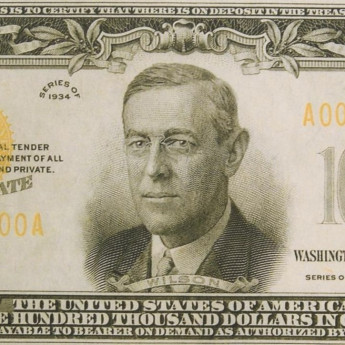
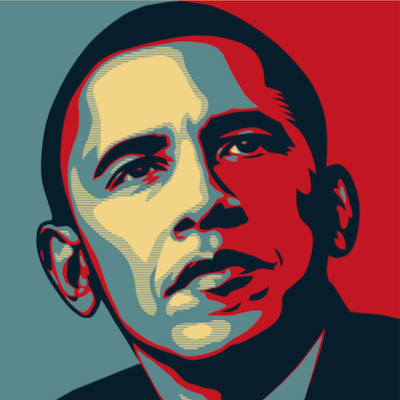
Artwork by Shepard Fairey
What is appropriation?
Appropriation in art involves using pre-existing images or objects with little or no modification. This technique has played a significant role across various art forms, including visual arts, music, performance, and literature. In visual arts, appropriation refers to the practice of adopting, sampling, recycling, or borrowing elements—or even entire forms—of existing visual culture, integrating them into new works to create meaning or critique.
RECENTLY VIEWED
-->