
Portfolio of 6 Pigmented Ink Printings; on Hahnemüle paper.
Vik Muniz’s After Sonia Delaunay (2025) is a portfolio of six pigmented ink prints on Hahnemühle paper that reinterprets the vibrant modernist language of Sonia Delaunay through Muniz’s contemporary lens. Issued in an edition of 20, each print measures 49.8 x 38.1 cm (19.60 x 15 in.) and presents stylized female figures composed of bold geometric forms and saturated color blocks. Drawing inspiration from Delaunay’s Orphist exploration of rhythm, abstraction, and fashion, Muniz translates her dynamic patterns into crisp, graphic compositions. Set against textured white grounds, the figures appear both decorative and architectural, balancing movement with flatness. The portfolio reflects Muniz’s ongoing engagement with art history, appropriation, and the transformation of iconic visual vocabularies into new contexts.
Artwork Copyright © Vik MunizVik Muniz (Brazil, 1961) is a celebrated contemporary artist known for his innovative use of unconventional materials like chocolate, garbage, and thread. He recreates iconic images with these mediums, blurring the line between high art and everyday objects. Muniz’s works explore perception, memory, and the relationship between art and reality.
Artwork Copyright © Vik MunizAfter Sonia Delaunay, 2025
Form
Medium
Size
- Inches
- Centimeters
Edition
Price
Available works →
- Authenticity Guaranteed
- Insured Shipping
- Online Since 2005
●
●Inventory 16628
●Signed
●Comes with gallery invoice and certificate
●Sell Us a Similar Artwork. Learn more.
Portfolio of 6 Pigmented Ink Printings; on Hahnemüle paper.
Vik Muniz’s After Sonia Delaunay (2025) is a portfolio of six pigmented ink prints on Hahnemühle paper that reinterprets the vibrant modernist language of Sonia Delaunay through Muniz’s contemporary lens. Issued in an edition of 20, each print measures 49.8 x 38.1 cm (19.60 x 15 in.) and presents stylized female figures composed of bold geometric forms and saturated color blocks. Drawing inspiration from Delaunay’s Orphist exploration of rhythm, abstraction, and fashion, Muniz translates her dynamic patterns into crisp, graphic compositions. Set against textured white grounds, the figures appear both decorative and architectural, balancing movement with flatness. The portfolio reflects Muniz’s ongoing engagement with art history, appropriation, and the transformation of iconic visual vocabularies into new contexts.
Artwork Copyright © Vik MunizVik Muniz (Brazil, 1961) is a celebrated contemporary artist known for his innovative use of unconventional materials like chocolate, garbage, and thread. He recreates iconic images with these mediums, blurring the line between high art and everyday objects. Muniz’s works explore perception, memory, and the relationship between art and reality.
Artwork Copyright © Vik MunizAvailability
Size
Form
Medium
SORT BY
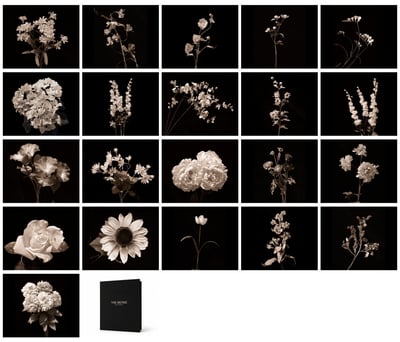
Vik Muniz
Flora Industrialis B/N, 2026
Photography
Photograph
EUR 25,000
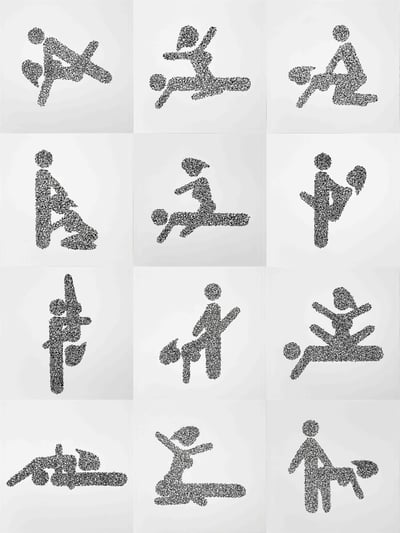
Vik Muniz
Love Bug Suite, 2014
Limited Edition Print
C-Print
Inquire For Price

Vik Muniz
Butterflies, after Odilon Redon , 2006
Limited Edition Print
Mixed Media
USD 40,000 – 50,000
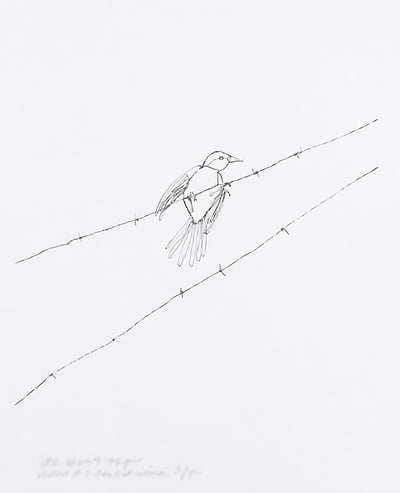
Vik Muniz
Vireo on Barbed Wire, 1995
Photography
Photograph
USD 6,200
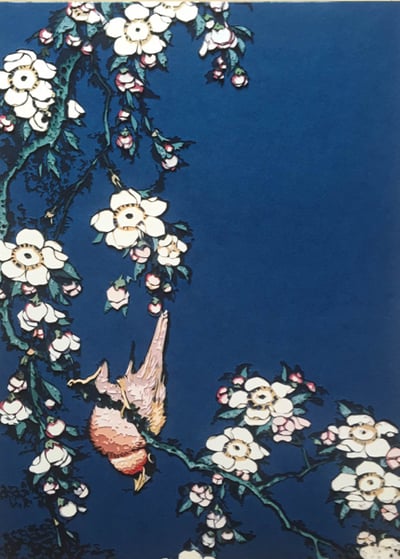
Vik Muniz
Bullfinch and weeping cherry, 2010
Photography
C-Print
EUR 6,500
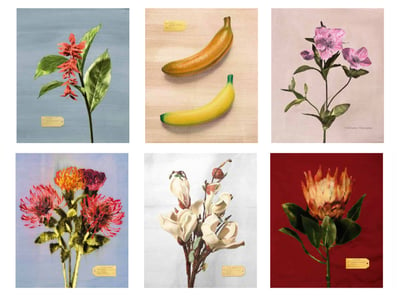
Vik Muniz
Flora Industrialis, 2024
Photography
Photograph
Currently Not Available
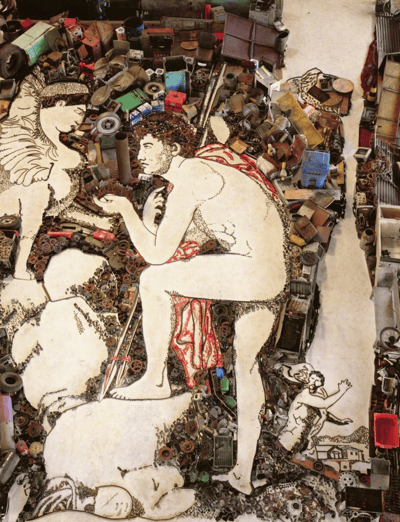
Vik Muniz
Oedipus and Sphinx, after Jean Auguste Dominique Ingres (Pictures of Junk), 2006
Photography
C-Print
Currently Not Available
Related Artists
Related Articles

Popular, Art Movements - November 25, 2025
Trash to Treasure: Eco-Art and the Beauty of Recycled Materials
Discover how artists turn trash into treasure—transforming e-waste, scrap, and textiles into powerful, sustainable eco-art with global impact.Read More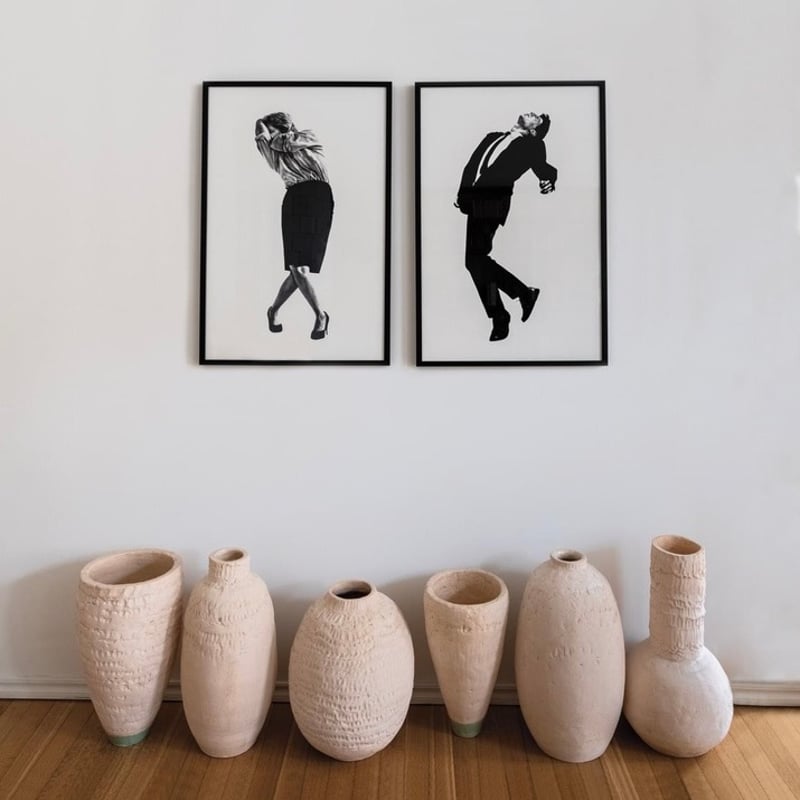

© Composition.gallery
What is Earth Art?
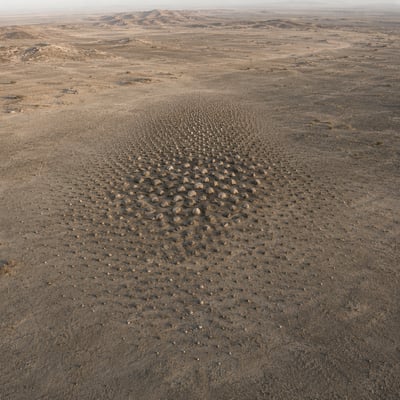
Earth art, also known as Land Art, emerged in the 1960s and 70s as part of the conceptual art movement. It involves creating artworks by sculpting the land or constructing structures in the landscape using natural materials like earth, rocks, or twigs. These works are often large-scale and emphasize the relationship between art and nature.


