
Administred Landscape II
Form
Medium
Size
- Inches
- Centimeters
Edition
Price
- Authenticity Guaranteed
- Insured Shipping
- Online Since 2005
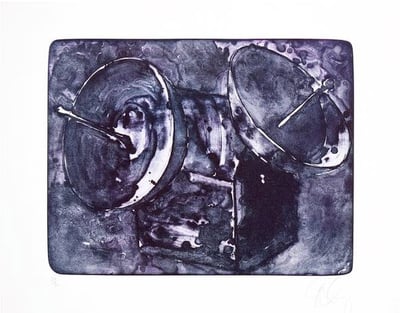
Tony Cragg
Receiver II, 2002
Limited Edition Print
Lithograph
EUR 1,700
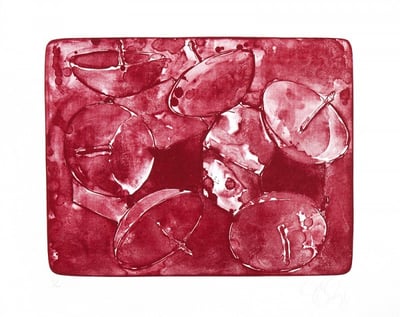
Tony Cragg
Receiver I, 2002
Limited Edition Print
Lithograph
EUR 1,700
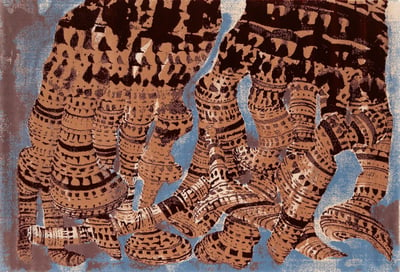
Tony Cragg
Form Code (III), 2006
Tapestry
Tapestry
EUR 4,800
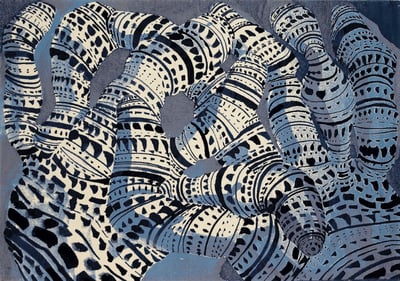
Tony Cragg
Form Code (Blue), 2006
Tapestry
Tapestry
EUR 10,000
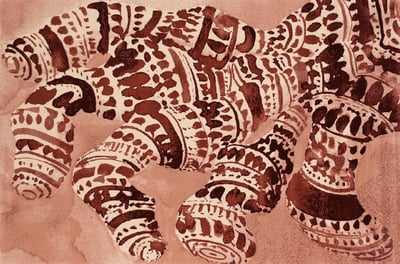
Tony Cragg
From Code (Red), 2006
Tapestry
Tapestry
EUR 7,500
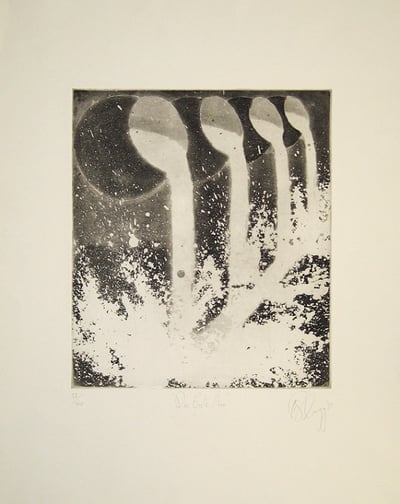
Tony Cragg
Die erste Ära (The first era), 1991
Limited Edition Print
Etching
Currently Not Available
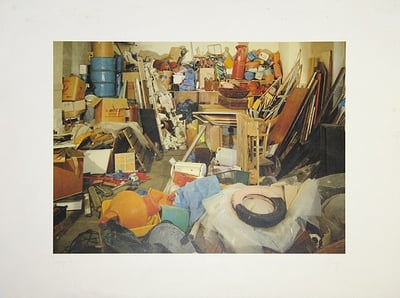
Tony Cragg
Landscape, 1983
Limited Edition Print
Offset Print
Currently Not Available
Related Artists

Related Articles

Artists, Art Movements - November 4, 2022
The Urban Clusters and Pop Wastelands of the New British Sculpture Movement
Discover the New British Sculpture Movement, where bold materials and narrative art redefined 1980s sculpture. Explore the works of Tony Cragg, Richard Deacon, and more.Read More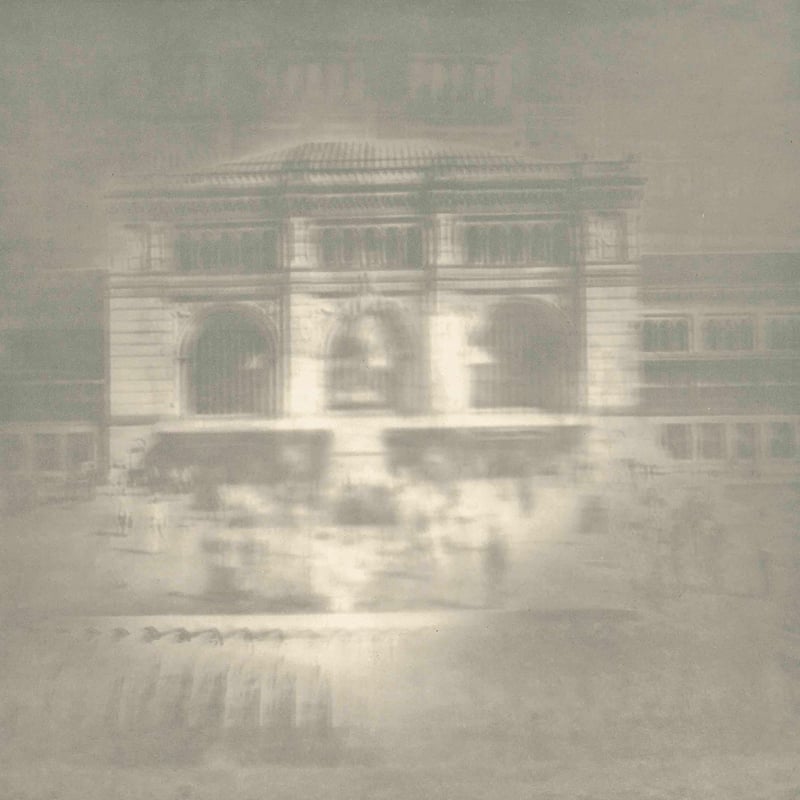
Popular, Artists, Collecting - August 20, 2026
Collecting Gerhard Richter Editions: A Guide for New and Seasoned Collectors
Learn how to collect Gerhard Richter editions: catalogue references, signatures, facsimile objects, condition, provenance and secondary-market buying.Read More
Popular, News, Artists, Collecting - August 12, 2026
In Minor Keys: Finding Intimacy and Identity at the 61st Venice Biennale — and in Your Collection
Explore how Koyo Kouoh’s 61st Venice Biennale vision, In Minor Keys, is shifting contemporary collecting toward quiet introspection, memory, and personal identity.Read More
What is site specific art?
Site-Specific Art is a form of artwork created to exist in a particular location, with the artist considering the site as an integral part of the creative process. Robert Irwin was a key figure in promoting this art form in California. Site-Specific Art emerged as a reaction against modernist objects, which were often portable, commodified, and confined to museum spaces. In contrast, Site-Specific Art is inherently tied to its location, challenging the traditional notions of art as a transportable and marketable commodity.


