
Semi Circle IV, 1995
Form
Medium
Size
- Inches
- Centimeters
Edition
Price
- Authenticity Guaranteed
- Insured Shipping
- Online Since 2005
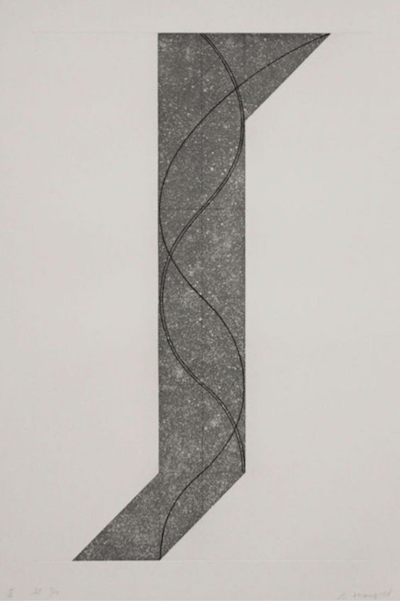
Robert Mangold
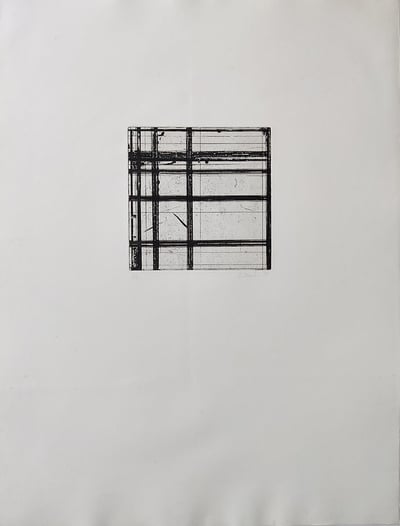
Untitled II, 2007
Limited Edition Print
Etching and Aquatint
USD 6,000
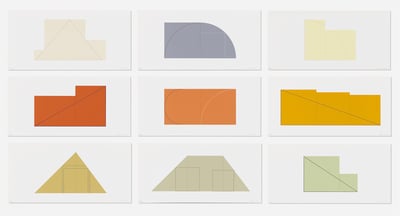
Robert Mangold
Multiple Panel Paintings, suite, 1992
Limited Edition Print
Screen-print
USD 13,200
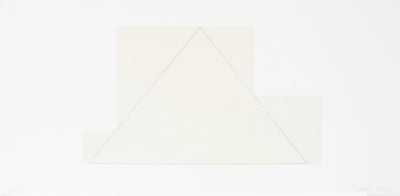
Robert Mangold
Untitled 2 ( from A Book of Silk Screen Prints), 1992
Limited Edition Print
Serigraph
USD 1,100
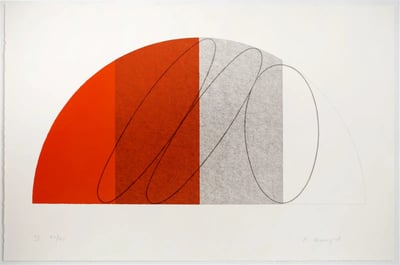
Robert Mangold
Semi Circle IV, 1995
Limited Edition Print
Lithograph
Currently Not Available
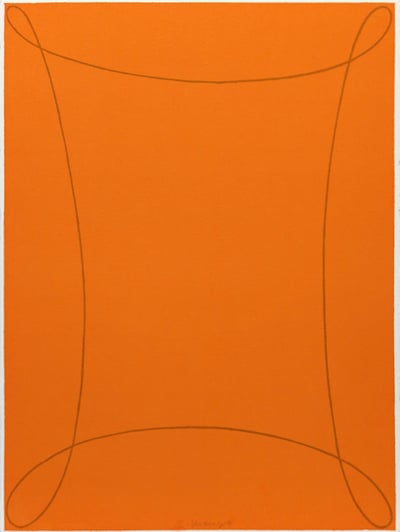
Robert Mangold
Arabesque I, 1992
Limited Edition Print
Silkscreen
Currently Not Available

Robert Mangold
Semi Circle III, 1995
Limited Edition Print
Lithograph
Currently Not Available
Related Artists
Related Articles
Artists - November 11, 2024
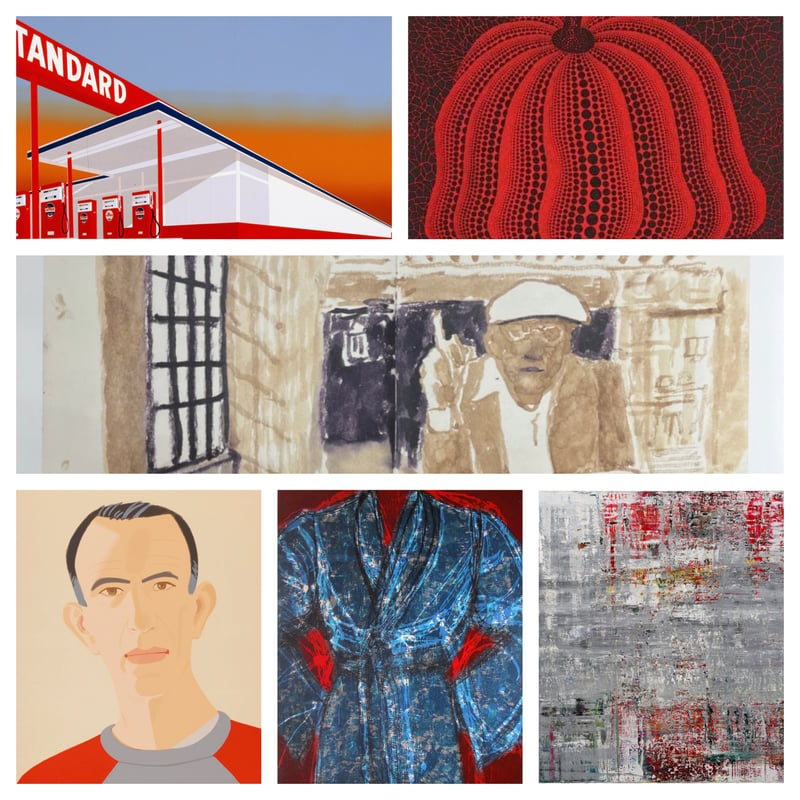
25 Living Icons: A Generation of Artists Defying Time
Celebrate 25 living legends redefining art! From Kusama to Hockney, explore their enduring creativity and groundbreaking contributions to modern art.Read More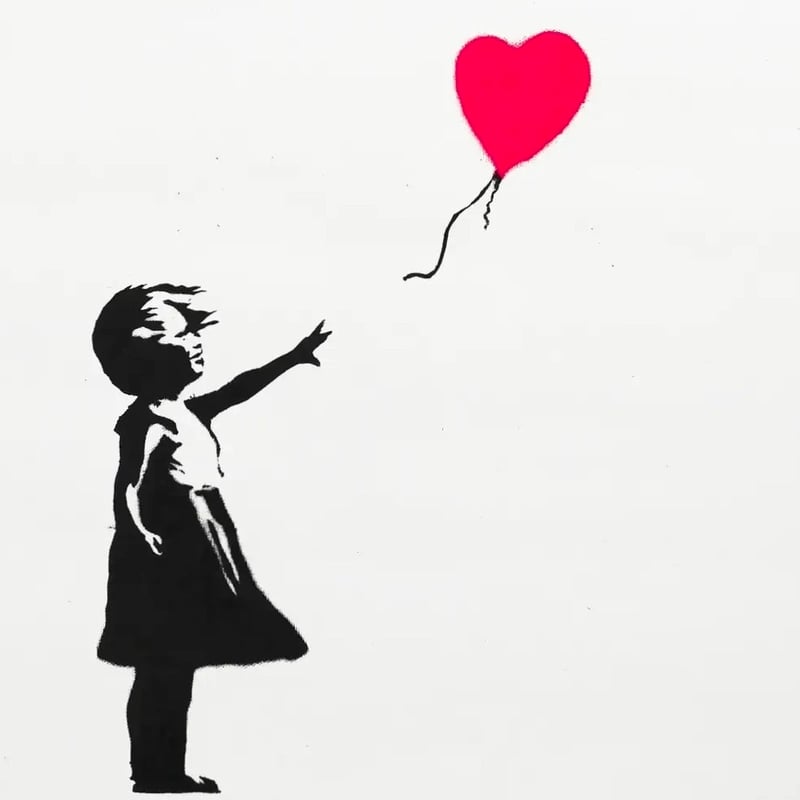
Popular, Artists, Collecting - August 25, 2026
Banksy’s Girl with Balloon, 2004: Signed vs Unsigned Prints
Compare Banksy’s 2004 Girl with Balloon signed and unsigned screenprints, edition sizes, Pest Control authentication, rare proofs and auction history.Read More
Popular, News, Artists, Collecting - August 12, 2026
In Minor Keys: Finding Intimacy and Identity at the 61st Venice Biennale — and in Your Collection
Explore how Koyo Kouoh’s 61st Venice Biennale vision, In Minor Keys, is shifting contemporary collecting toward quiet introspection, memory, and personal identity.Read More
What is geometric abstract art?
Geometric abstraction is a form of abstract art that uses geometric shapes arranged in a non-illusionistic space (though not always) and combined into non-representational (non-objective) compositions. Based on years of artistic research, some artists have proposed that geometric abstraction offers a solution to modern challenges by rejecting traditional illusionistic practices in favor of clarity and simplicity.
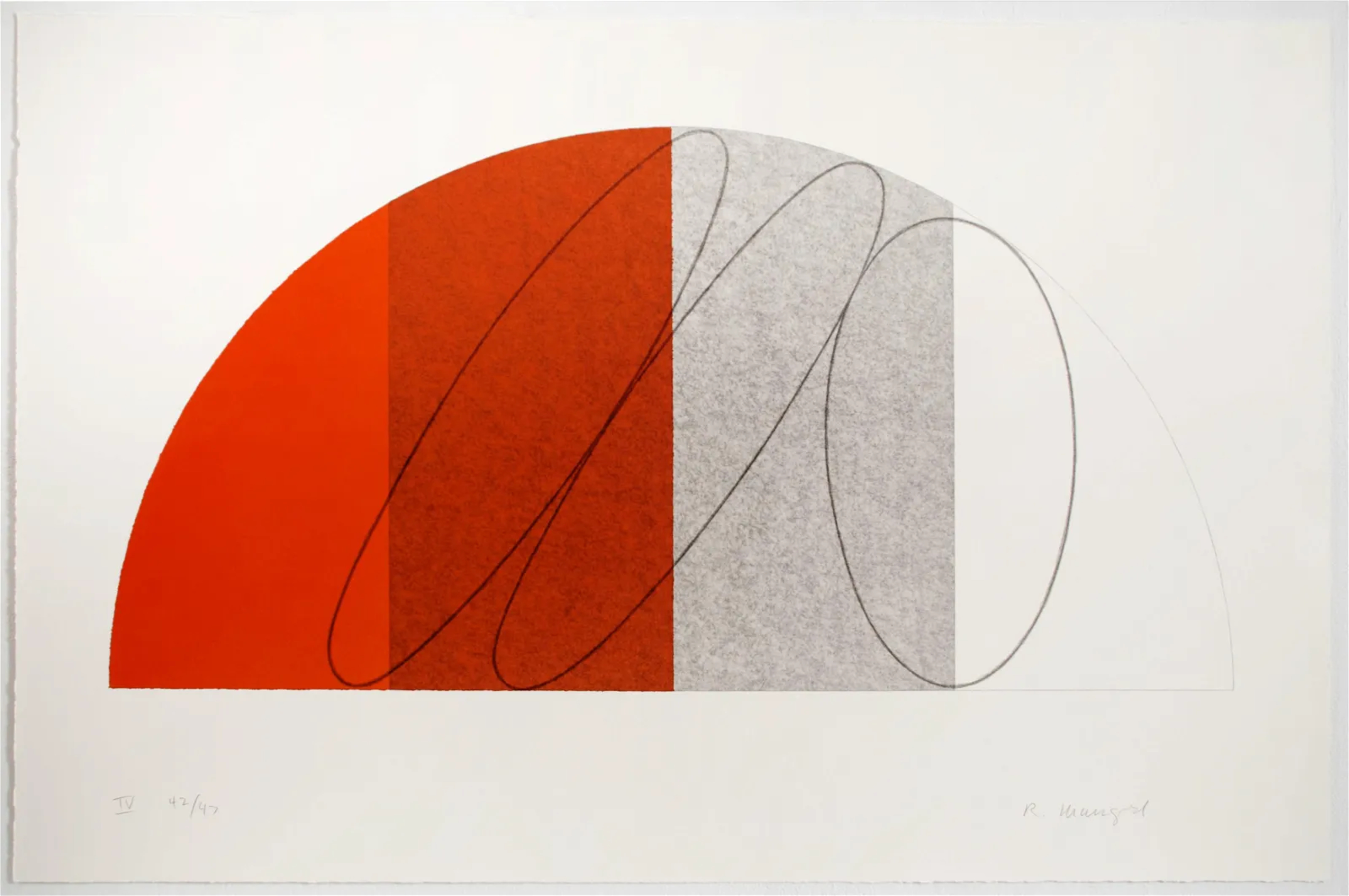
Robert Mangold
Semi Circle IV, 1995
73.7 x 111.8 cm


