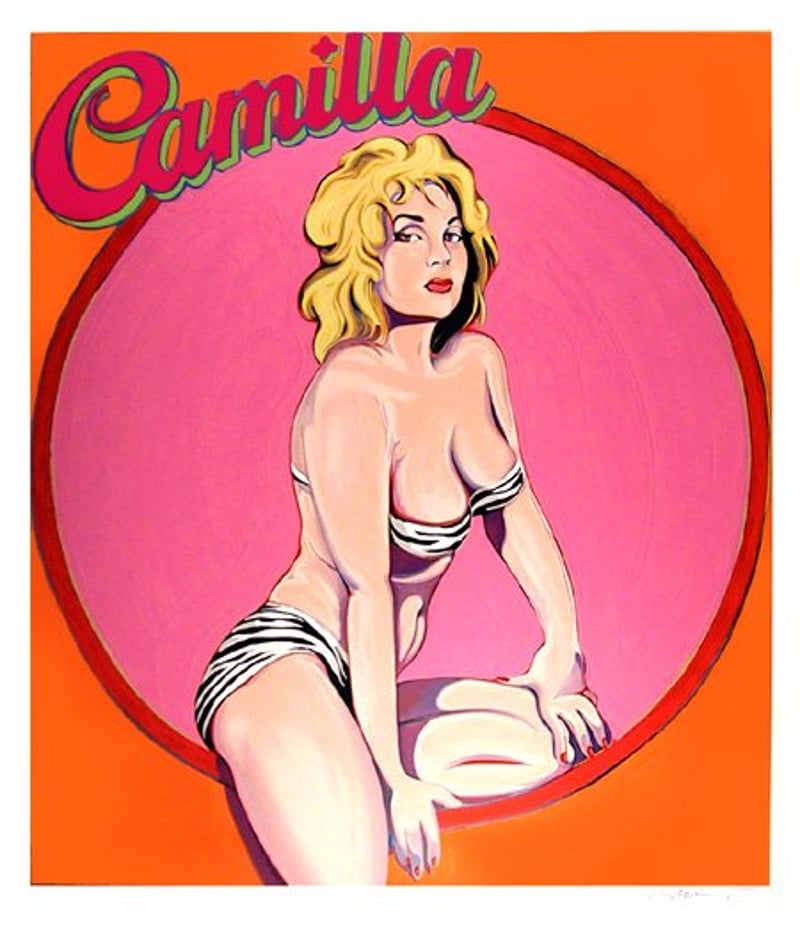
Camilla, 1995
Form
Medium
Size
- Inches
- Centimeters
Edition
Price
- USD
- EUR
- GBP
- CHF
- Authenticity Guaranteed
- Insured Shipping
- Online Since 2005
Mel Ramos
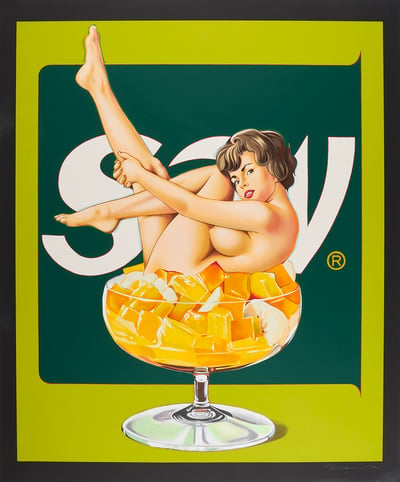
Miss Fruit Salad (Black), 1990
Limited Edition Print
Silkscreen
EUR 4,800
Mel Ramos
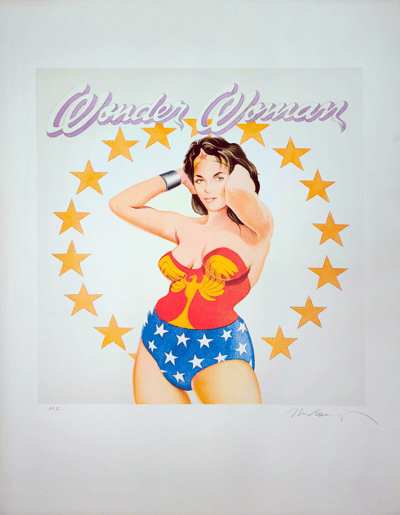
Wonder Woman, 1979
Limited Edition Print
Lithograph
EUR 4,500
Mel Ramos
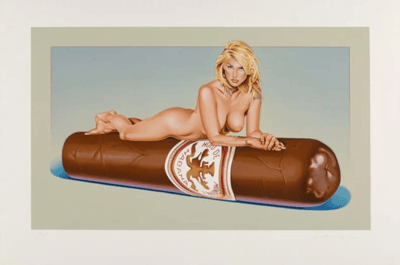
Hav a Havanna #7, 2008
Limited Edition Print
Lithograph
Inquire For Price
Mel Ramos
Private Listing
Painting
request info
Mel Ramos
Private Listing
Painting
request info
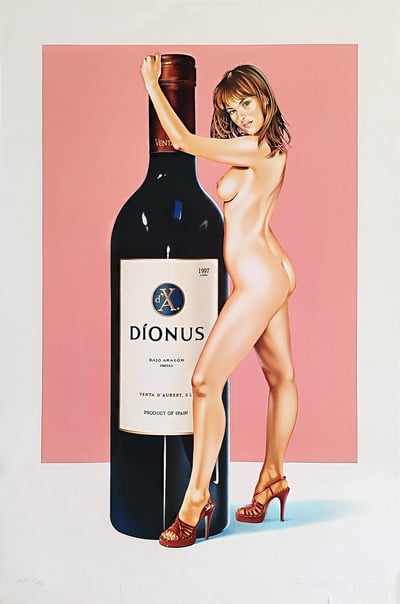
Mel Ramos
Dionus, 2002
Limited Edition Print
Silkscreen
EUR 2,375
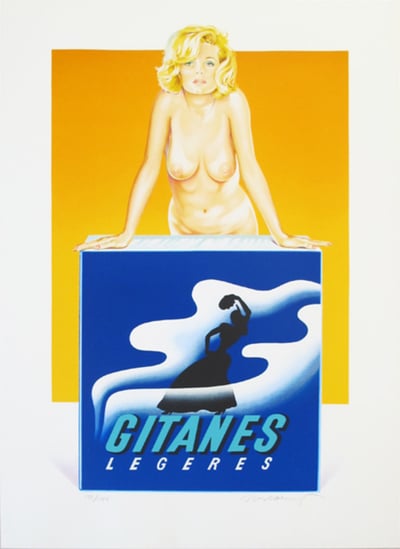
Mel Ramos
Gitanes, 1999
Limited Edition Print
Lithograph
USD 3,750
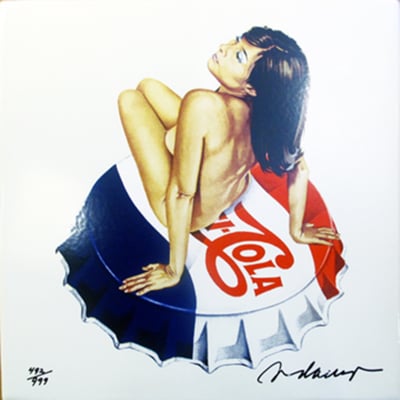
Mel Ramos
Pepsi, 2005
Limited Edition Print
Mixed Media
USD 1,650
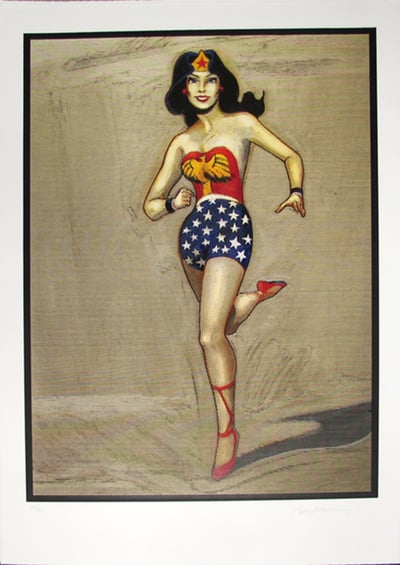
Mel Ramos
Wonder Woman, 2014
Limited Edition Print
Woodcut
USD 11,900
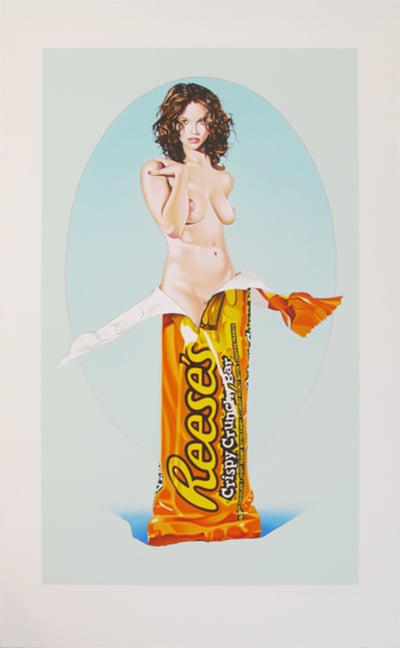
Mel Ramos
Reese's Rose, 2008
Limited Edition Print
Lithograph
USD 3,750
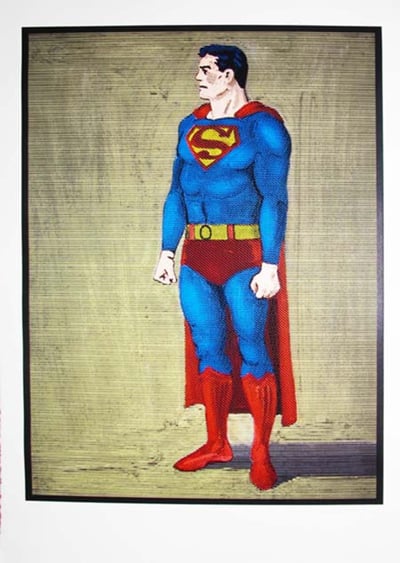
Mel Ramos
Superman, 2014
Limited Edition Print
Woodcut
USD 11,900
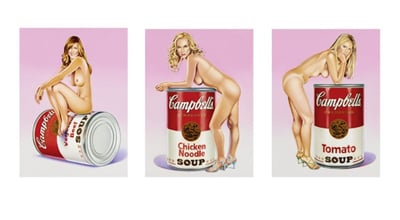
Mel Ramos
Campbell's Soup Girls (set of 3)
Limited Edition Print
Mixed Media
USD 2,550
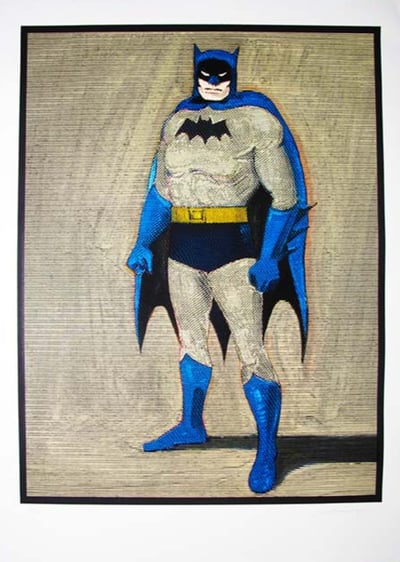
Mel Ramos
Batman, 2014
Limited Edition Print
Woodcut
USD 11,900
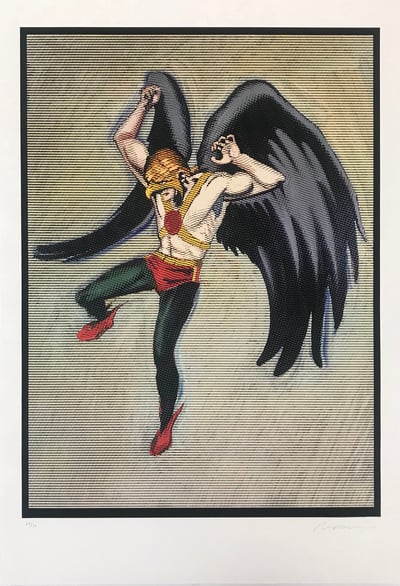
Mel Ramos
Hawkman, 2015
Limited Edition Print
Woodcut
USD 11,900
Mel Ramos
Private Listing
Painting
request info
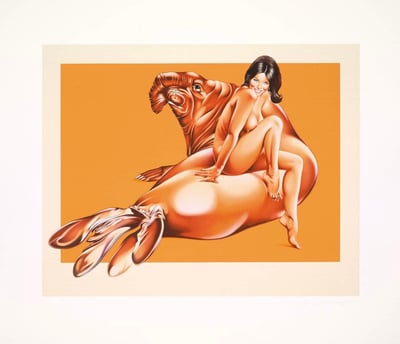
Mel Ramos
Elephant Seal, 2013
Limited Edition Print
Lithograph
EUR 4,250
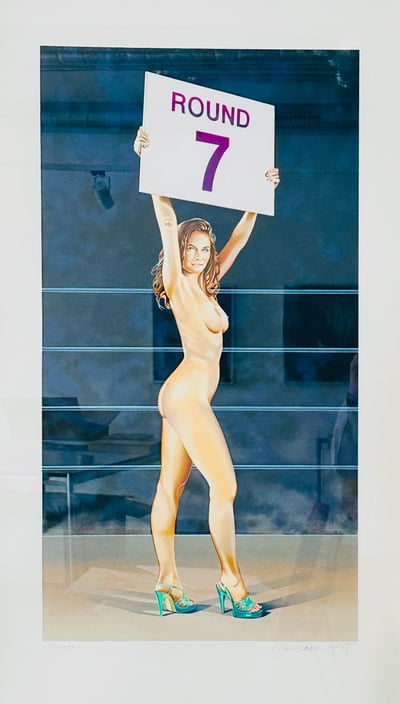
Mel Ramos
The Rounder, 1999
Limited Edition Print
Lithograph
EUR 3,100
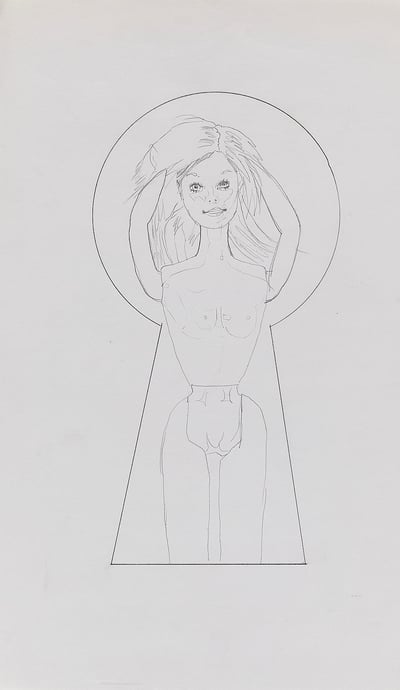
Mel Ramos
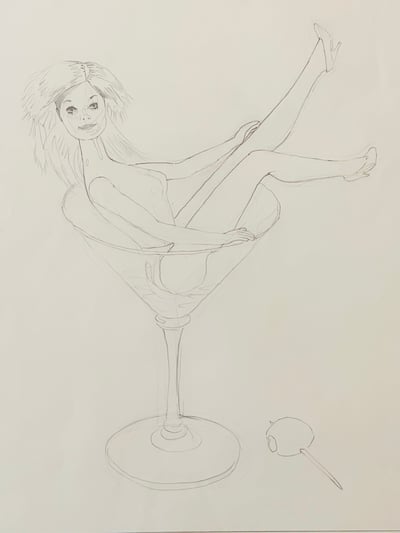
Peek a Boo Barbie, 1995
Drawing / Watercolor
Pencil
EUR 10,700
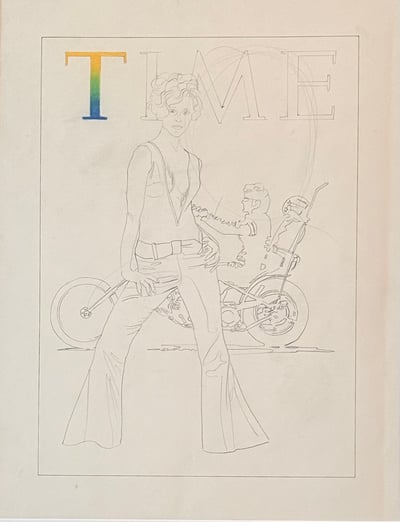
Mel Ramos
Study for Fonda: Sketch #1 (TIME), 1970
Drawing / Watercolor
Pencil
EUR 17,750
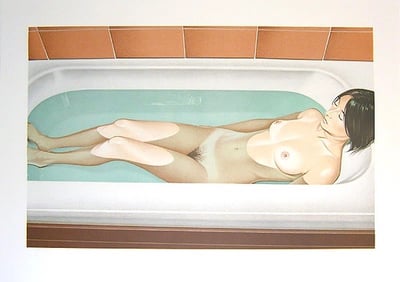
Mel Ramos
Study for Still Life: Sketch #2, 1995
Drawing / Watercolor
Pencil
EUR 17,750
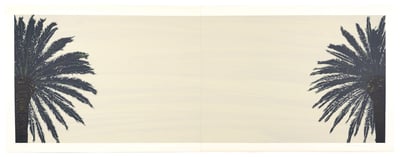
Mel Ramos
Bonnards Bath, 1979
Limited Edition Print
Lithograph
EUR 1,500
Mel Ramos
Tenerife, 1981
Limited Edition Print
Lithograph
EUR 5,950
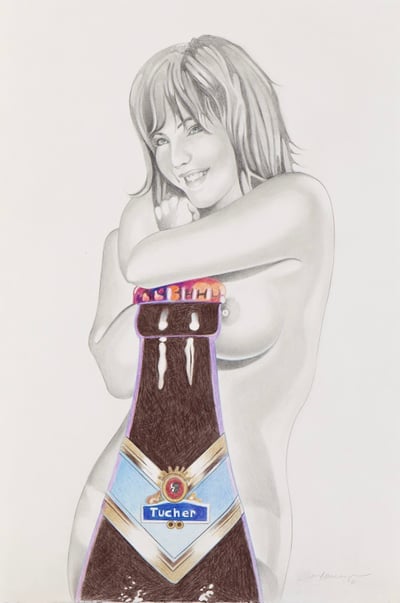
Mel Ramos
Tallulah Tucher, 2015
Limited Edition Print
Offset Print
EUR 650
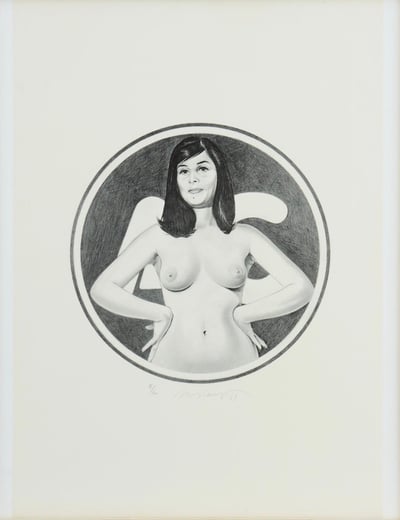
Mel Ramos
Kvinna, 1969
Limited Edition Print
Lithograph
EUR 1,450
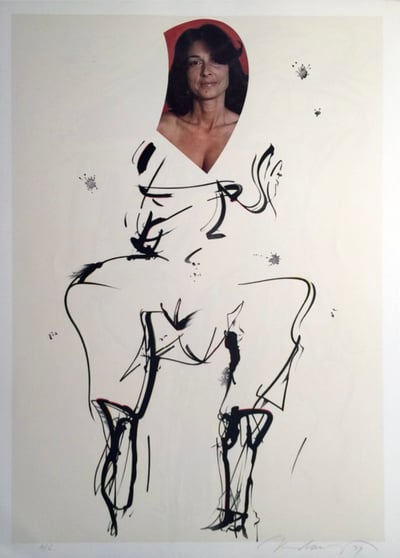
Mel Ramos
I Still Get a Thrill When I See Bill 111, 1979
Limited Edition Print
Lithograph
USD 2,000

Mel Ramos
Manet's Olympia, 1974
Limited Edition Print
Lithograph
USD 5,800
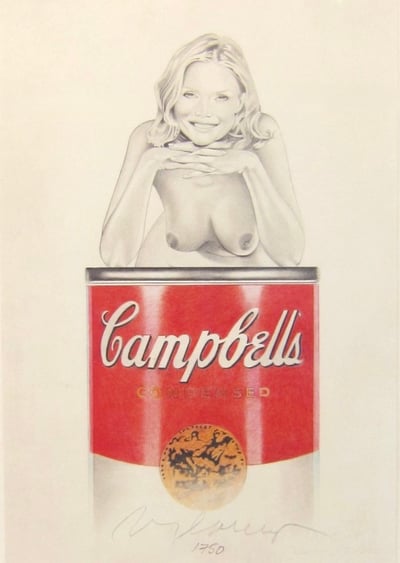
Mel Ramos
Suzy Soup, 2010
Limited Edition Print
Silkscreen
USD 6,600
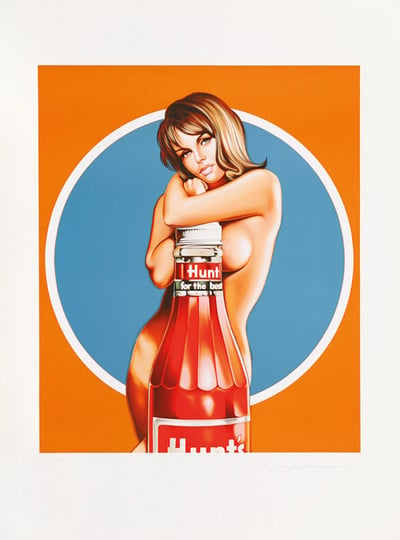
Mel Ramos
Hunt for the Best , 2013
Limited Edition Print
Lithograph
EUR 4,800
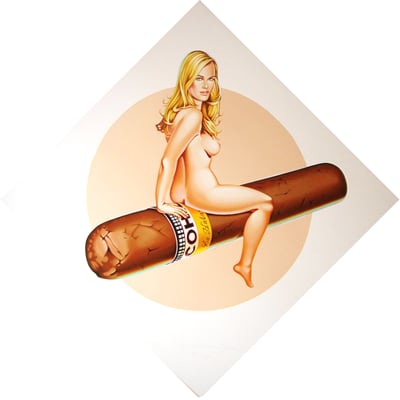
Mel Ramos
HAV-A-HAVANNA #6 (COHIBA 2), 2005
Limited Edition Print
Lithograph
EUR 6,000
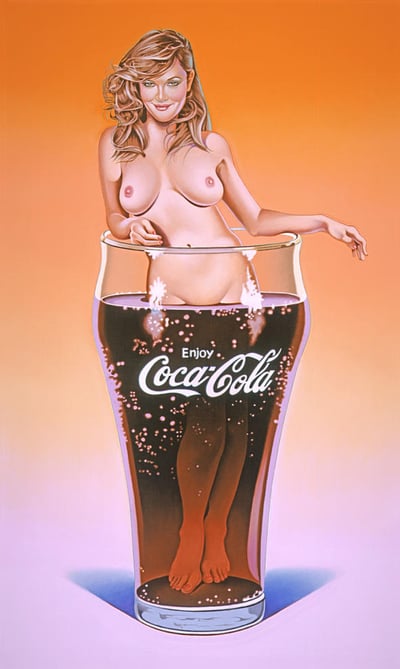
Mel Ramos
Lola Cola - The Pause That Refreshes #2 , 2005
Limited Edition Print
Lithograph
EUR 5,000
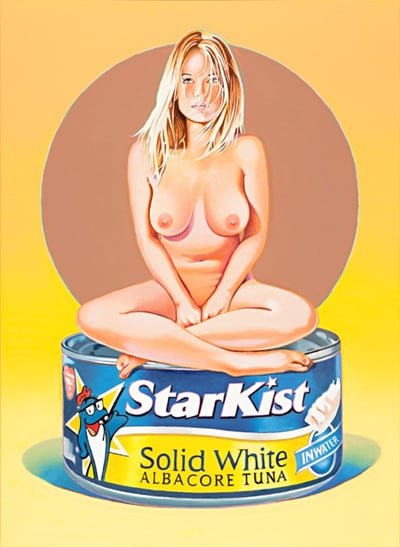
Mel Ramos
Starkist Stacey , 2014
Limited Edition Print
Lithograph
EUR 3,800
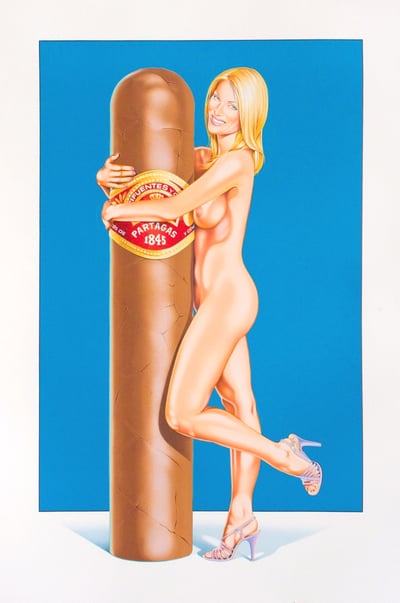
Mel Ramos
Havanna 11, 2016
Limited Edition Print
Lithograph
EUR 9,000
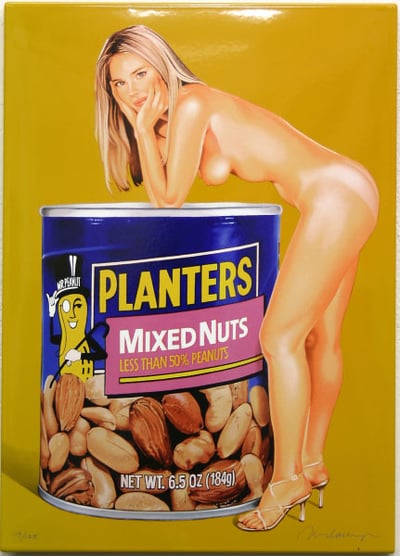
Mel Ramos
Mixed Nuts, 2008
Limited Edition Print
Metal
EUR 3,380

Mel Ramos
Devil Doll, 1997
Limited Edition Print
Lithograph
EUR 3,500
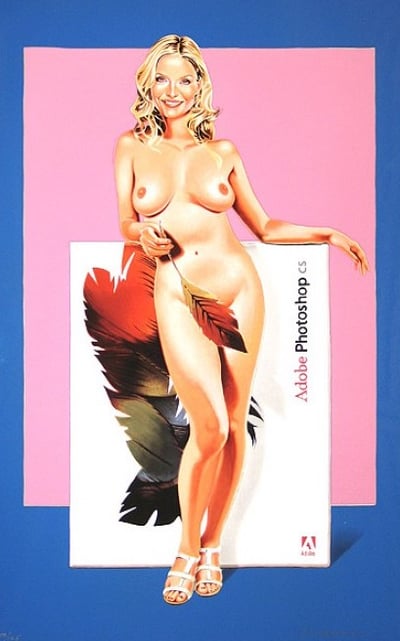
Mel Ramos
Photoshop CS.
Limited Edition Print
Mixed Media
EUR 3,600
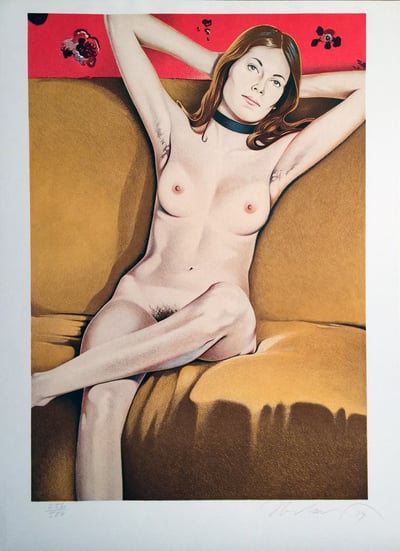
Mel Ramos
Unknown, 1979
Limited Edition Print
Lithograph
USD 4,200
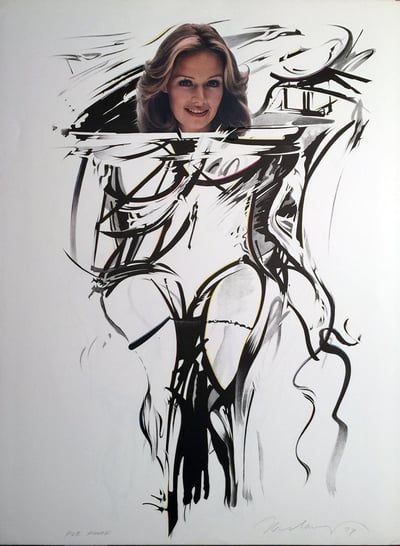
Mel Ramos
I Still Get a Thrill When I See Bill I, 1979
Limited Edition Print
Lithograph
USD 2,000
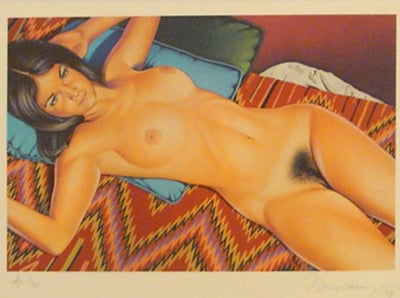
Mel Ramos
You Get More Salami with Modigliani, 1974
Limited Edition Print
Lithograph
USD 5,800
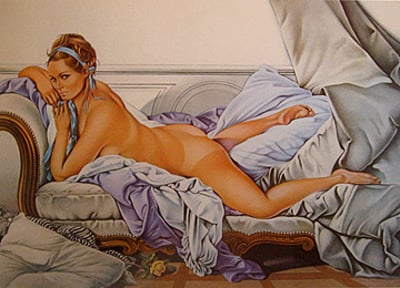
Mel Ramos
Touche le Boucher, 1974
Limited Edition Print
Lithograph
USD 5,800
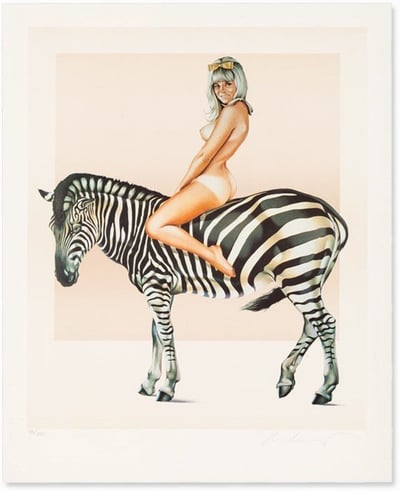
Mel Ramos
Girl on a Zebra, 1981
Limited Edition Print
Lithograph
USD 7,500
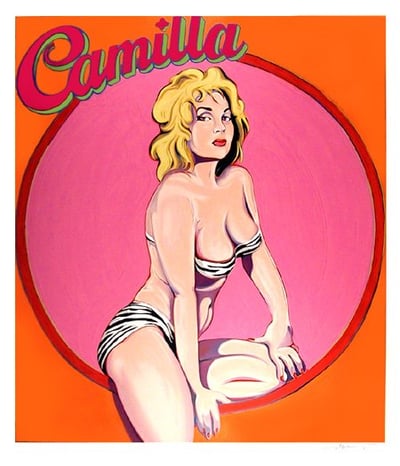
Mel Ramos
Camilla, 1995
Limited Edition Print
Screen-print
USD 18,500
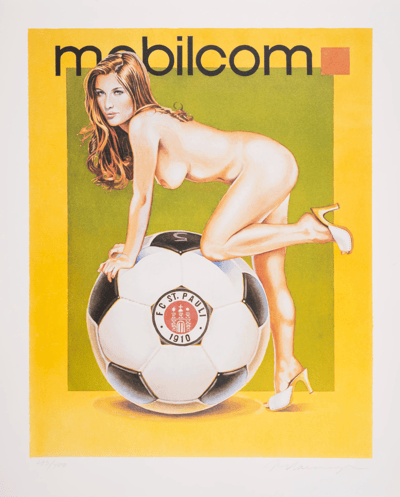
Mel Ramos
Mobilcom FC St. Pauli, 2003
Limited Edition Print
Offset Print
Currently Not Available
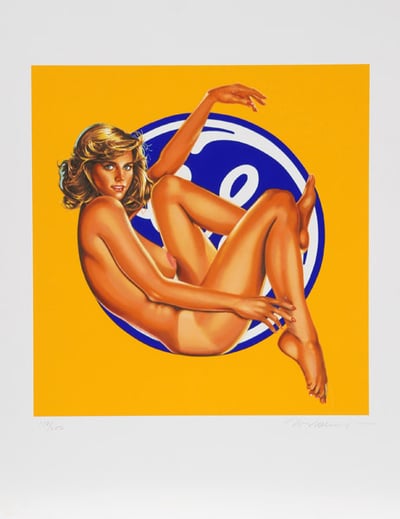
Mel Ramos
Gee Gee, 1997
Limited Edition Print
Lithograph
Currently Not Available
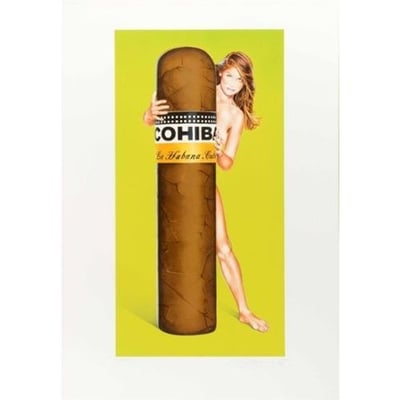
Mel Ramos
Hav a Havanna 2, 1998
Limited Edition Print
Serigraph
Currently Not Available
Related Artists

Related Articles
Art Movements - December 21, 2023
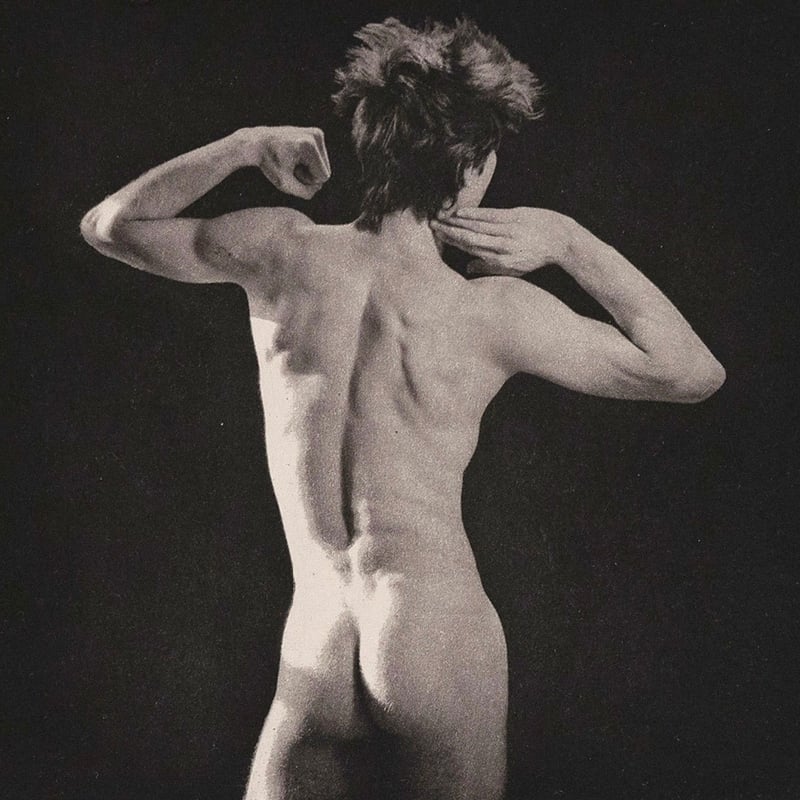
Revelations and Taboos: Unveiling the Naked Truths in Art
Dive into the evolving role of nudity in art, from historical taboos to modern revelations. Explore artists and works that redefine cultural perceptions.Read More
What is Comic Strip Art?
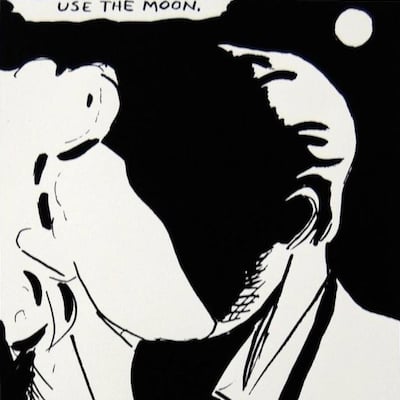
Comic strip art refers to artwork that utilizes the subject matter and commercial printing techniques found in comic strips. In the 1960s, a group of artists began creating paintings that incorporated Ben-Day dots—commonly used in comics and advertising—to produce highly graphic designs in bright colors, using traditional art media.
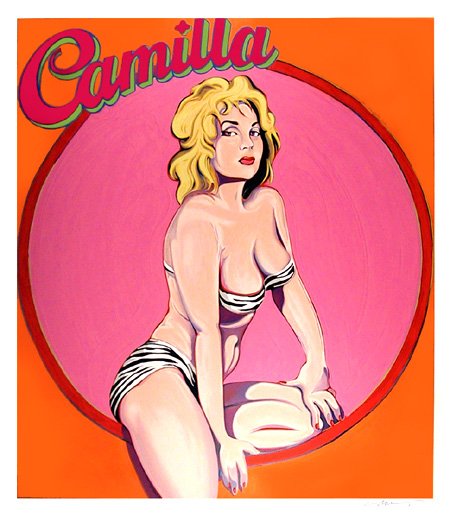
Mel Ramos
Camilla, 1995
109 x 95 cm


