Details
Artist
Styles
3d construction // SBT 2835 by Ludwig Wilding is a three-dimensional construction from 1998 that exemplifies the artist's fascination with optical illusions and kinetic art. The artwork features four circular, radially patterned forms that emerge from a background of fine vertical lines, creating a mesmerizing interplay of depth and movement. By manipulating the viewer’s perception, Wilding’s piece appears to shift and pulse as the observer moves around it, making it a captivating example of Op Art. With its limited edition of 100, this piece combines precision and optical complexity, inviting viewers into an immersive experience that challenges their visual perception.
SBT 2835, 1998
form
Medium
Size
28 x 28 X 6 cm
- Inches
- Centimeters
Edition
Price
- USD
- EUR
- GBP
Details
Artist
Styles
3d construction // SBT 2835 by Ludwig Wilding is a three-dimensional construction from 1998 that exemplifies the artist's fascination with optical illusions and kinetic art. The artwork features four circular, radially patterned forms that emerge from a background of fine vertical lines, creating a mesmerizing interplay of depth and movement. By manipulating the viewer’s perception, Wilding’s piece appears to shift and pulse as the observer moves around it, making it a captivating example of Op Art. With its limited edition of 100, this piece combines precision and optical complexity, inviting viewers into an immersive experience that challenges their visual perception.
- Recently Added
- Price (low-high )
- Price (high-low )
- Year (low-high )
- Year (high-low )

Ludwig Wilding
SBST 2827, 1993
Sculpture / Object
Object
EUR 1,500

Ludwig Wilding
SBST 2838, 2000
Sculpture / Object
Object
EUR 1,500

Ludwig Wilding
SBST 2823, 1993
Sculpture / Object
Object
EUR 1,500

Ludwig Wilding
SB II, 1986
Sculpture / Object
Object
EUR 1,500

Ludwig Wilding
SBST 2818, 1986
Sculpture / Object
Object
EUR 1,500

Ludwig Wilding
SBT 2835, 1998
Sculpture / Object
Object
EUR 1,500

Ludwig Wilding
SBST 2839, 2001
Limited Edition Print
Mixed Media
EUR 1,500
Related Artists


Related Articles
Popular, Collecting - July 23, 2025
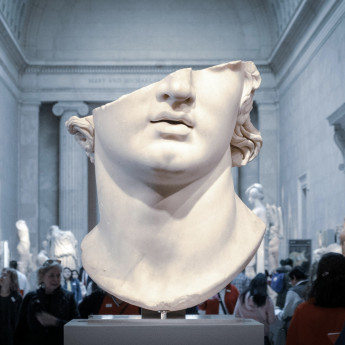
Sculpture Care and Display: From Plinths to Pedestals in Your Home
Learn how to display and care for sculpture at home—from lighting tips to material care—so your art can truly shine in any space. Read More


What is contemporary art?
Contemporary art refers to avant-garde or innovative art created in the recent past or present day. The exact starting point of contemporary art varies depending on the institution, often tied to the founding year of museums or galleries that showcase the style. Contemporary art is characterized by its focus on current ideas, diverse media, and the exploration of new concepts and techniques.