Ex Libris #7 - "Illusion and Reality"(Christopher Caudwell, 1937)
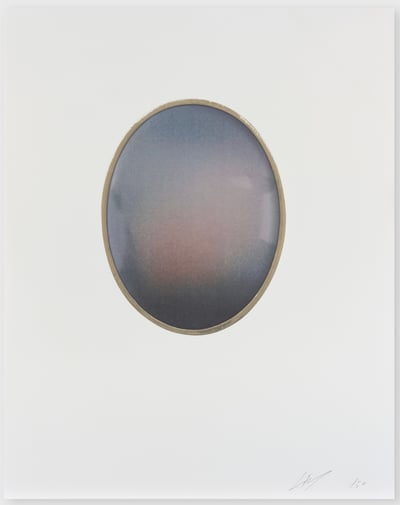
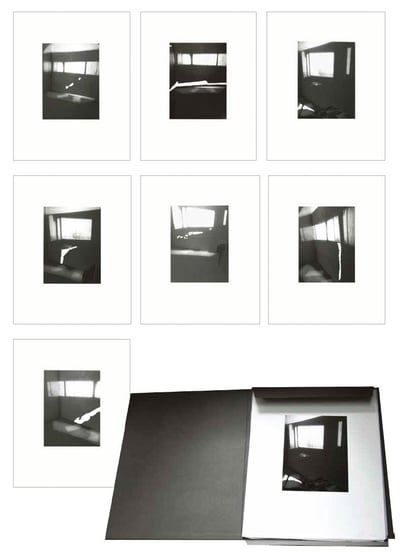
- Book with separate coloured screen print "Tiles" (47 x 37 cm)
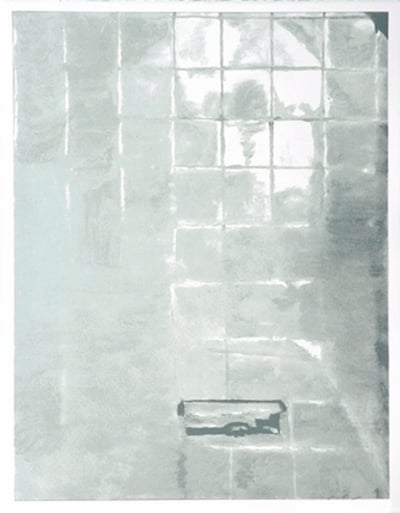
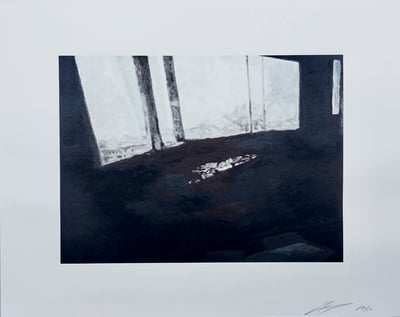
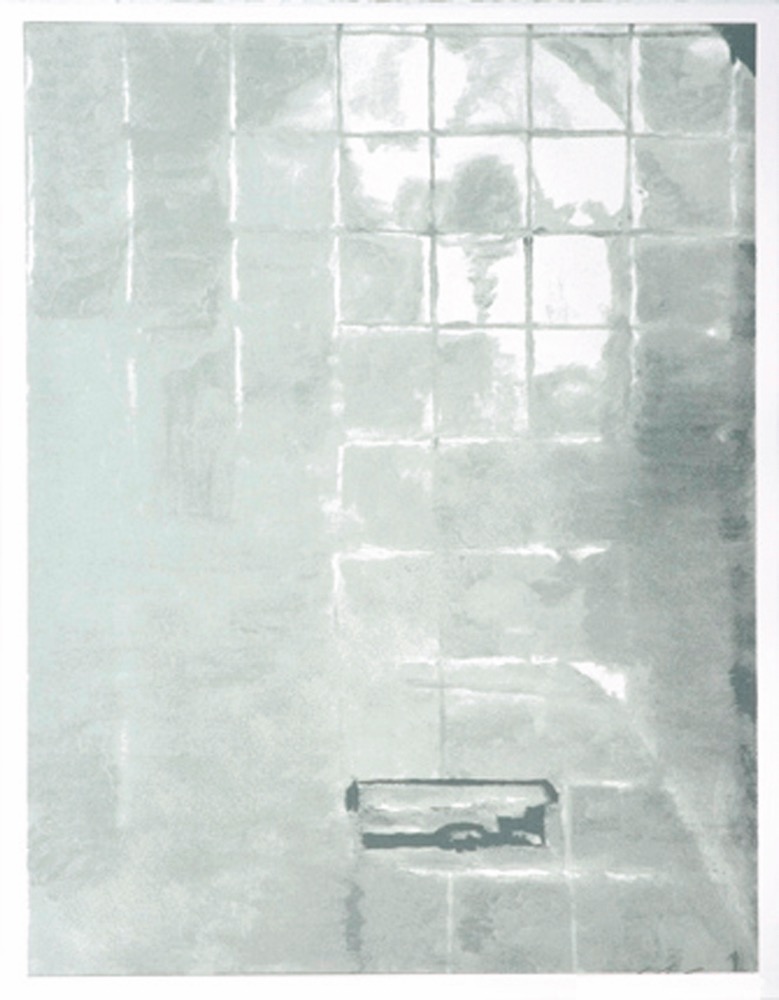
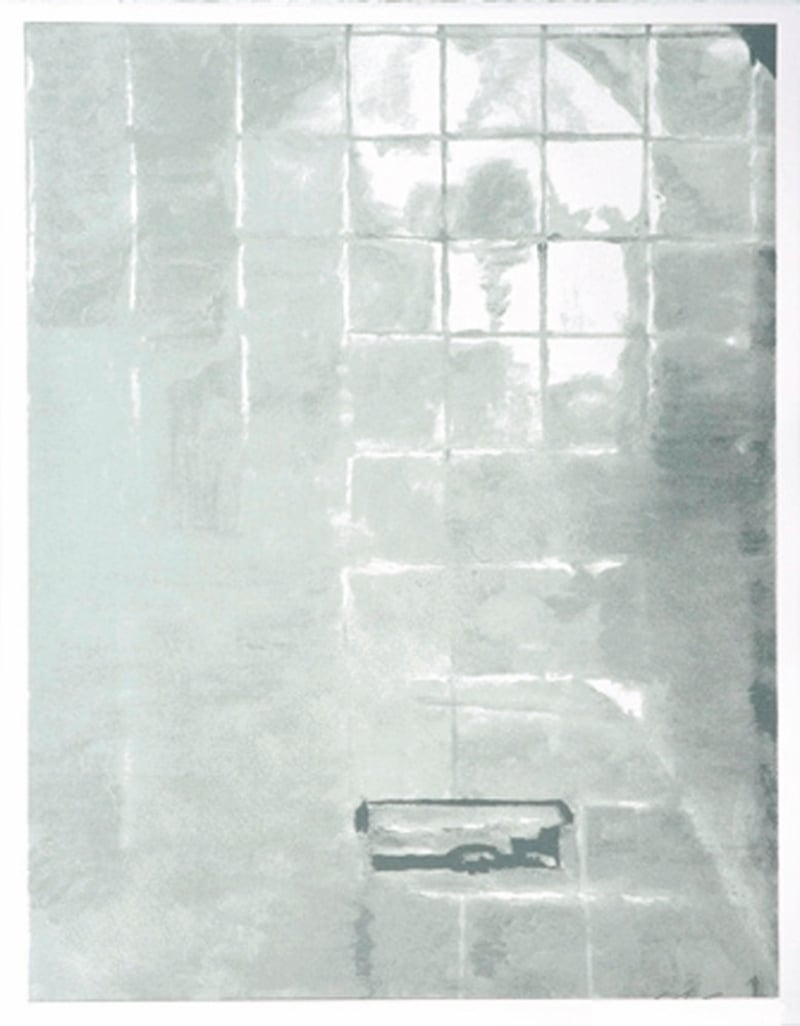
Tiles by Luc Tuymans, produced as a limited edition screen print in 1970, is part of the Ex Libris #7 - Illusion and Reality collection, referencing Christopher Caudwell’s 1937 work. The screen print presents a minimalist depiction of tiled surfaces, rendered in soft, muted tones of gray and white. The subtle shifts in light and shadow create an impression of depth and texture, suggesting the reflective, almost sterile quality of bathroom tiles. The piece captures Tuymans’ characteristic style of blurring reality and abstraction, evoking a sense of quiet and contemplation. The artwork, with its restrained palette and simplicity, hints at themes of memory and perception, urging the viewer to find meaning within its understated surface.
Luc Tuymans (Belgium, 1958) is a prominent contemporary painter known for his muted palette and enigmatic imagery. His works often explore themes of memory, history, and politics, blending realism with abstraction. Tuymans is considered a pivotal figure in the revival of figurative painting and has exhibited widely across major international venues.
Screen-printScreen printing is a technique where ink is transferred through a mesh onto a substrate, with areas blocked by a stencil to prevent ink from passing through. This method, also known as serigraphy or silkscreen printing, is commonly used to produce prints on posters, T-shirts, vinyl, stickers, wood, and other materials. The process is a type of stencil printing, allowing for vibrant, detailed designs on various surfaces.
Ex Libris #7 - "Illusion and Reality"(Christopher Caudwell, 1937)
- Book with separate coloured screen print "Tiles" (47 x 37 cm)
Tiles by Luc Tuymans, produced as a limited edition screen print in 1970, is part of the Ex Libris #7 - Illusion and Reality collection, referencing Christopher Caudwell’s 1937 work. The screen print presents a minimalist depiction of tiled surfaces, rendered in soft, muted tones of gray and white. The subtle shifts in light and shadow create an impression of depth and texture, suggesting the reflective, almost sterile quality of bathroom tiles. The piece captures Tuymans’ characteristic style of blurring reality and abstraction, evoking a sense of quiet and contemplation. The artwork, with its restrained palette and simplicity, hints at themes of memory and perception, urging the viewer to find meaning within its understated surface.
Luc Tuymans (Belgium, 1958) is a prominent contemporary painter known for his muted palette and enigmatic imagery. His works often explore themes of memory, history, and politics, blending realism with abstraction. Tuymans is considered a pivotal figure in the revival of figurative painting and has exhibited widely across major international venues.
When I start to paint, it is real agony. I get nervous.
- Luc Tuymans
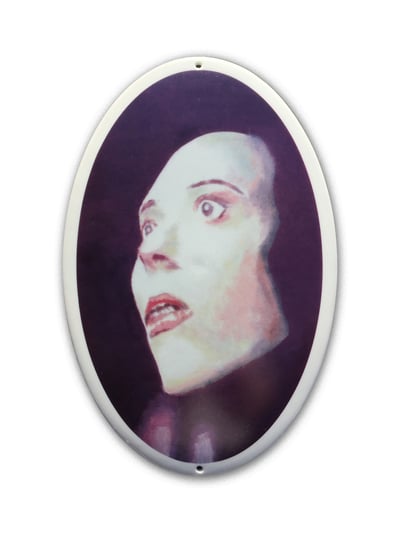
Renowned for his figurative paintings that depict images sourced from existing visual materials such as television, print and film media, Luc Tuymans is an artist who explores the cultural and historical meaning of events, often providing a different context or perspective through his trademark choppy brushstrokes and a muted, darker palette. Tuyman's subjects range from historical world events such as the second world war, to the mediocrity of every day– among his most notable works is his Heritage series which was created in response to the Oklahoma City bombing; the paintings capture the artist’s notion of a ‘traditional American life’ with subjects including a working man, a birthday cake and a portrait. Of his unique method of transforming existing media into a form of evocative art, Tuymans has remarked “There is a physical element intertwined with the painting [of an existing photograph]. It shakes loose an emotional element within the viewer.” (Artist website)
Sometimes known as Figurativism, figurative art refers to sculptures and paintings that are clearly or specifically derived from real objects, making them representational. The term figurative art is often used in contrast to abstract art. However, since the emergence of abstract art, figurative art has come to describe any form of modern art that has strong references to the real world or actual situations.