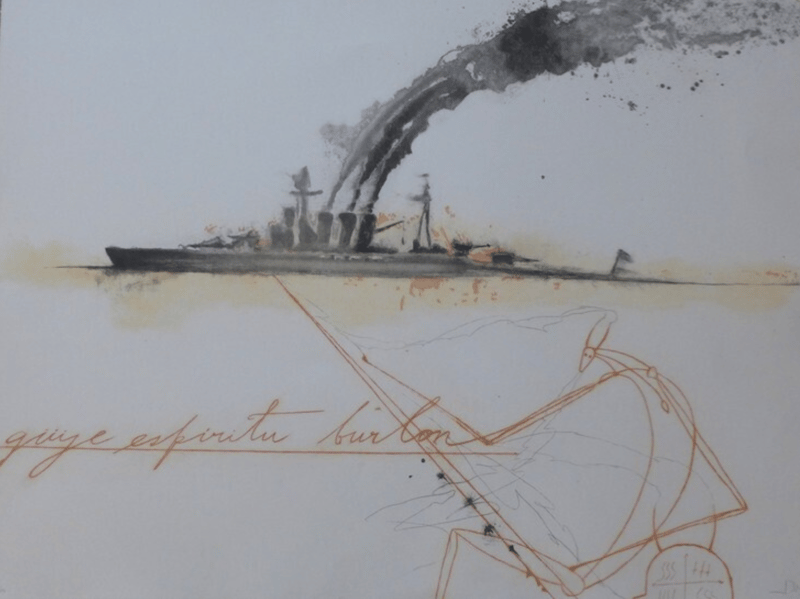
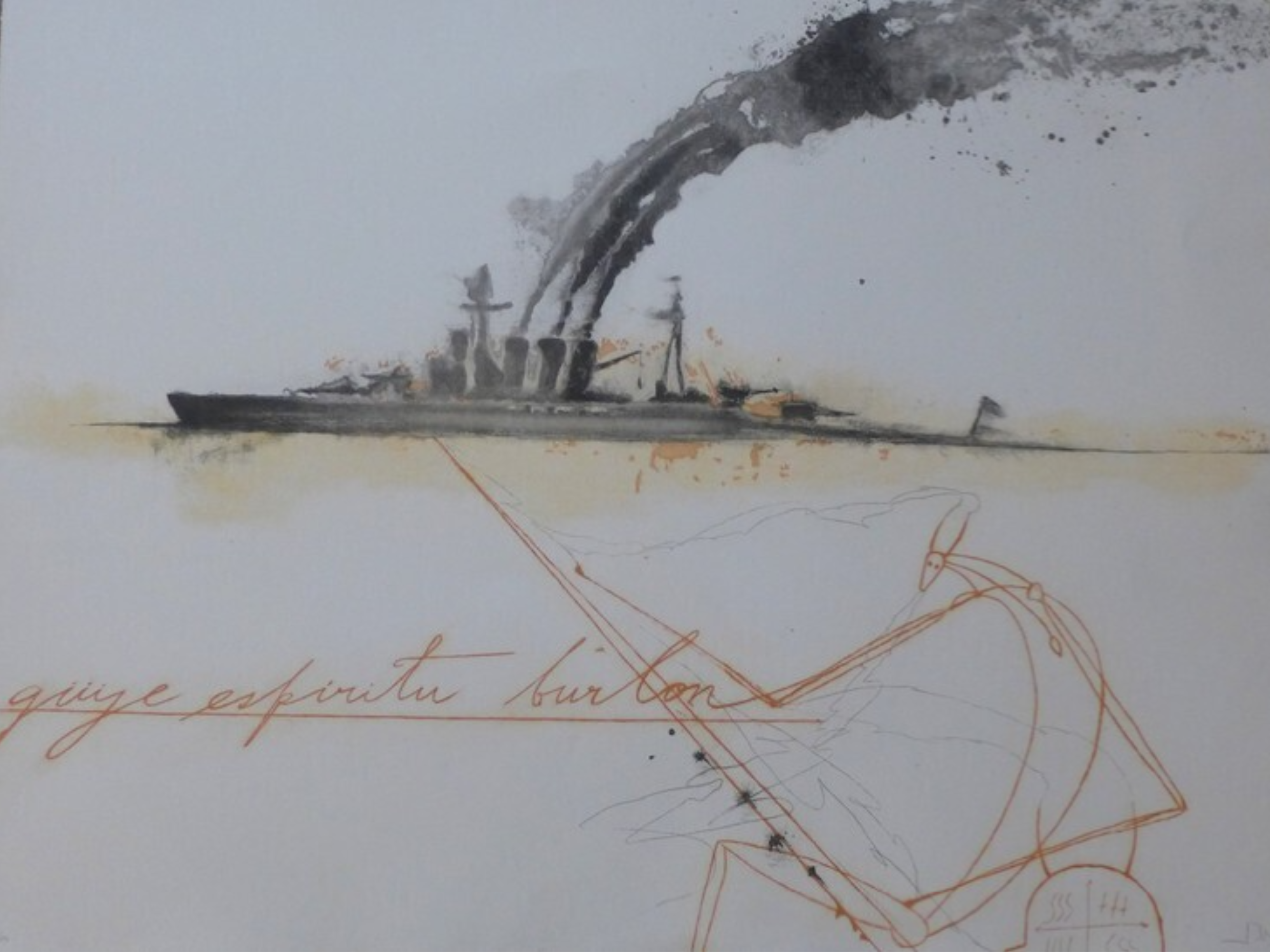
Güije espíritu burlón, 2009
Form
Medium
Size
- Inches
- Centimeters
Edition
Price
- USD
- EUR
- GBP
- CHF
- Authenticity Guaranteed
- Insured Shipping
- Online Since 2005
José Bedia
Güije espíritu burlón, 2009
Limited Edition Print
Etching
EUR 1,800
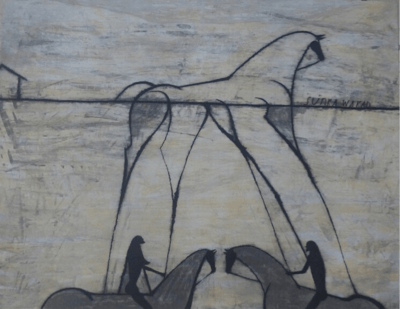
José Bedia
Sunka Wakan, 2007
Limited Edition Print
Etching
EUR 1,800
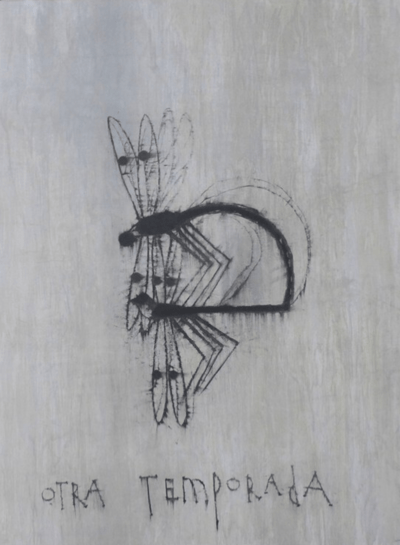
José Bedia
Otra temporada, 2008
Limited Edition Print
Etching
EUR 1,800
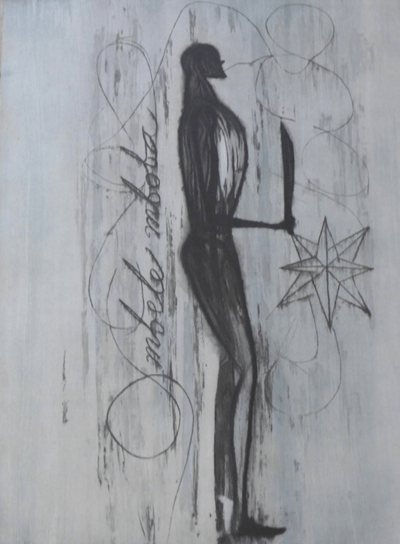
José Bedia
Mbele mboba, 1997
Limited Edition Print
Etching
EUR 1,800

José Bedia
Isto psakahanj, 2008
Limited Edition Print
Etching
EUR 2,000
Related Artists


Related Articles
Popular, Art Movements - November 25, 2025
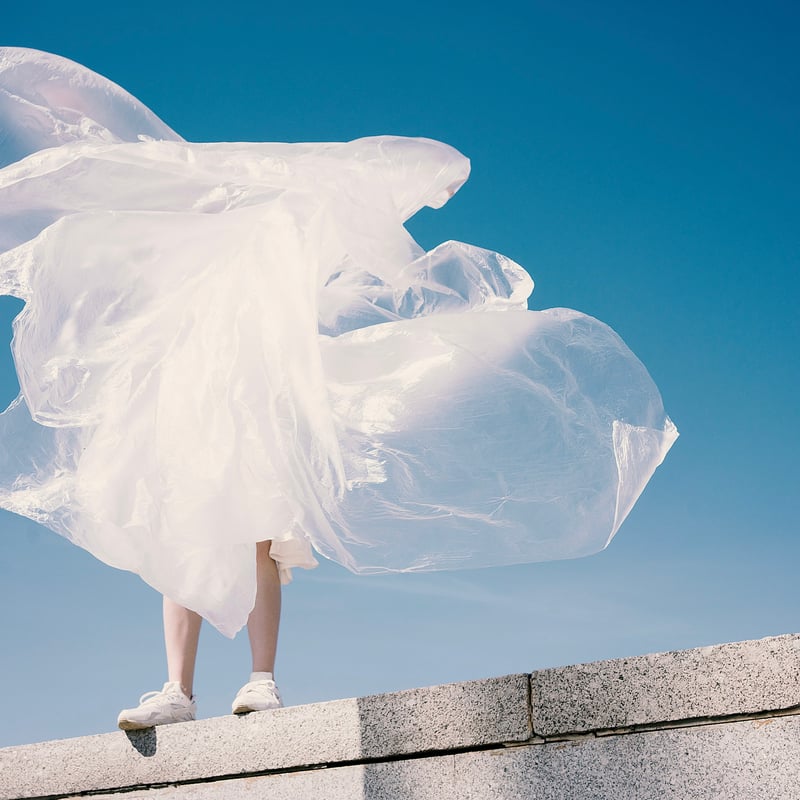
Trash to Treasure: Eco-Art and the Beauty of Recycled Materials
Discover how artists turn trash into treasure—transforming e-waste, scrap, and textiles into powerful, sustainable eco-art with global impact.Read More

What is Environmental Art?
Environmental art is a collective term that refers to a wide range of artistic practices and works that engage with historical and ecological themes. The term often encompasses ecological concerns, although it is not exclusively defined by them. Environmental art acknowledges and appreciates the early history of the environmental art movement, including works with activist themes and those celebrating the connection between nature and the artist through the use of natural materials.
José Bedia
Güije espíritu burlón, 2009
89 x 115 cm


