
Lithograph on paper.
- Signed, dated and numbered in pencil.
- Printed and published by Arte Adrien Maeght, Paris, France
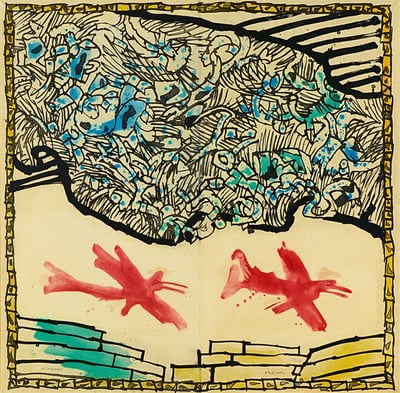
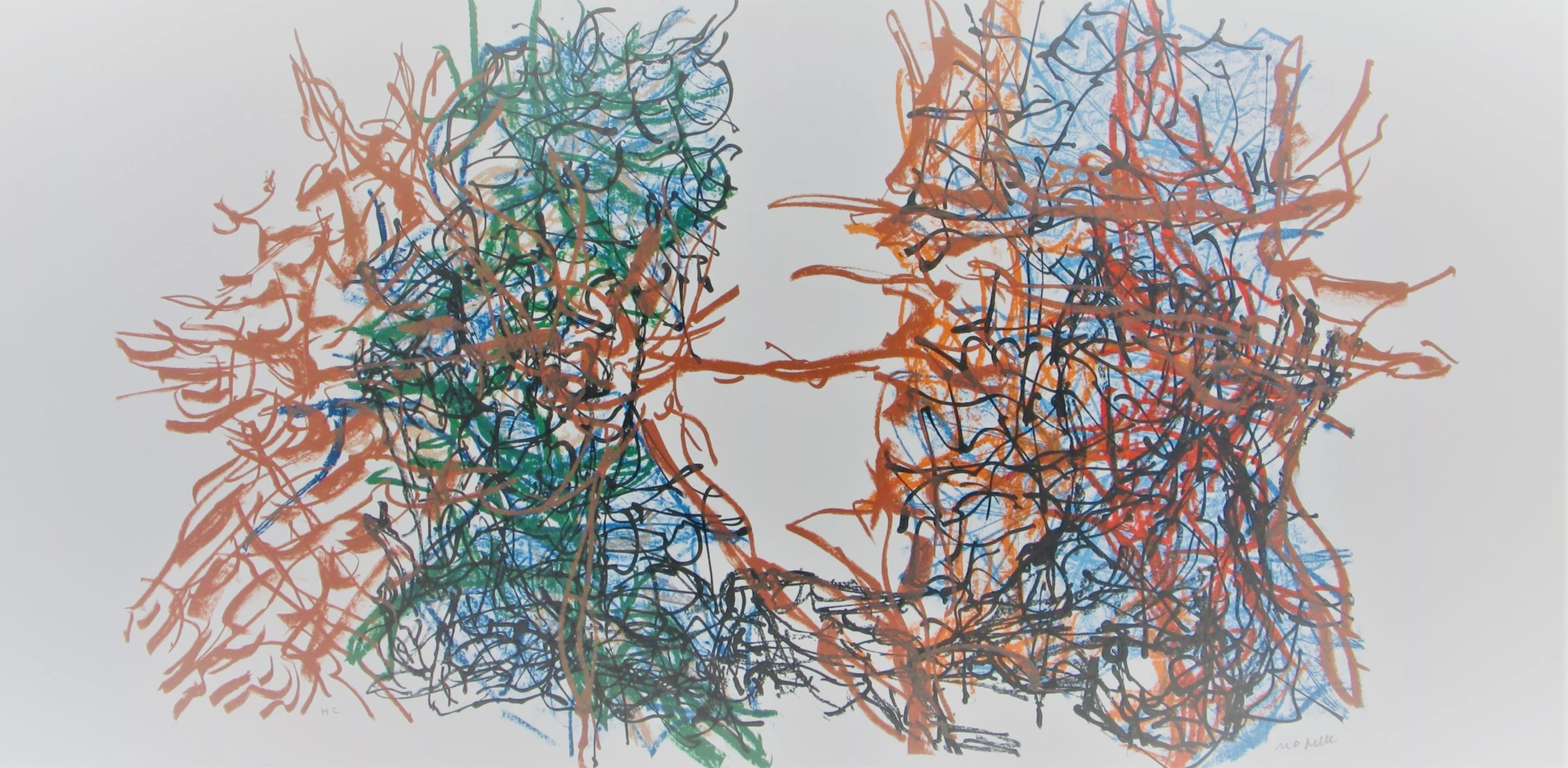
Jean-Paul Riopelle’s Album #7 Cat. No. 221 (1967) is a vibrant lithograph showcasing the artist's abstract expressionist language. The composition features dense and intertwined strokes of orange, green, blue, and black, creating a dynamic interplay of color and form. The layers of gestural marks convey energy and spontaneity, while the central white space adds balance and structure. Measuring 40.6 × 80 cm, this lithograph is part of a limited edition of 75 with an additional 10 hors commerce (HC) copies. Each piece is hand-signed, dated, and numbered by the artist. Printed and published by Arte Adrien Maeght in Paris, this work exemplifies Riopelle's mastery of abstraction.
Artwork Copyright © Jean-Paul RiopelleJean-Paul Riopelle (Canada, 1923–2002) was a pivotal figure in Abstract Expressionism and the Automatism. Known for his dynamic, palette knife-painted compositions, Riopelle’s works feature vivid colors and intricate textures. His influence extended internationally, bridging Canadian and European art. He also produced notable lithographs and experimented with sculpture later in his career.
Artwork Copyright © Jean-Paul RiopelleAlbum #7 Cat. No. 221, 1967
Form
Medium
Size
- Inches
- Centimeters
Edition
Price
- USD
- EUR
- GBP
- CHF
- Authenticity Guaranteed
- Insured Shipping
- Online Since 2005
●Inventory 15480
●Signed
●Comes with gallery invoice and certificate
●Sell Us a Similar Artwork. Learn more.
Lithograph on paper.
- Signed, dated and numbered in pencil.
- Printed and published by Arte Adrien Maeght, Paris, France
Jean-Paul Riopelle’s Album #7 Cat. No. 221 (1967) is a vibrant lithograph showcasing the artist's abstract expressionist language. The composition features dense and intertwined strokes of orange, green, blue, and black, creating a dynamic interplay of color and form. The layers of gestural marks convey energy and spontaneity, while the central white space adds balance and structure. Measuring 40.6 × 80 cm, this lithograph is part of a limited edition of 75 with an additional 10 hors commerce (HC) copies. Each piece is hand-signed, dated, and numbered by the artist. Printed and published by Arte Adrien Maeght in Paris, this work exemplifies Riopelle's mastery of abstraction.
Artwork Copyright © Jean-Paul RiopelleJean-Paul Riopelle (Canada, 1923–2002) was a pivotal figure in Abstract Expressionism and the Automatism. Known for his dynamic, palette knife-painted compositions, Riopelle’s works feature vivid colors and intricate textures. His influence extended internationally, bridging Canadian and European art. He also produced notable lithographs and experimented with sculpture later in his career.
Artwork Copyright © Jean-Paul Riopelle- Recently Added
- Price (Low-High)
- Price (High-Low)
- Year (Low-High)
- Year (High-Low)
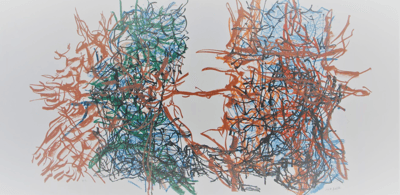
Jean-Paul Riopelle
Album #7 Cat. No. 221, 1967
Limited Edition Print
Lithograph
USD 4,125
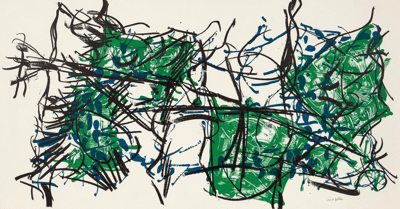
Jean-Paul Riopelle
Album #10 Cat No. 222, 1967
Limited Edition Print
Lithograph
USD 4,125
Related Artists

Related Articles
Popular, Collecting - May 6, 2026
Edition Numbers and Print Value: What Really Matters
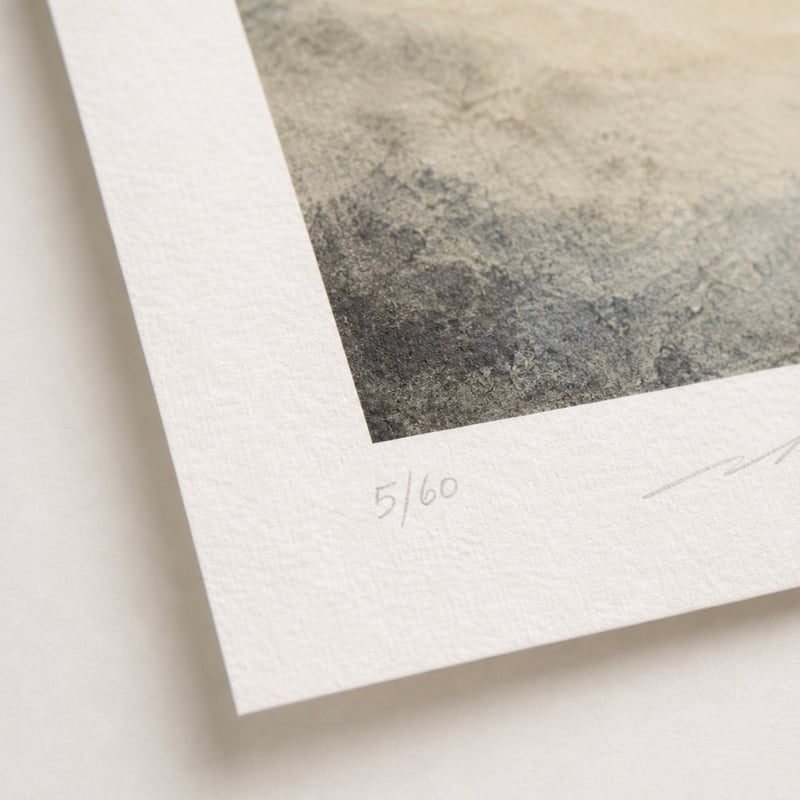
Edition size—not number—drives print value. Learn how scarcity, condition, provenance, and artist demand shape prices in modern printmaking.Read More
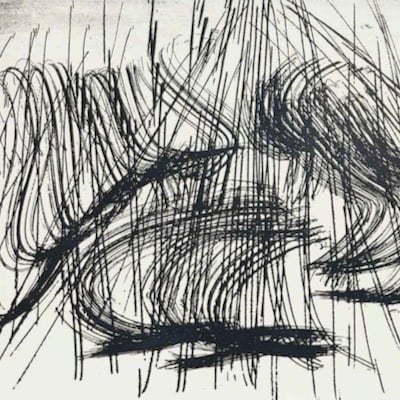
Artwork by Hans Hartung
What is automatism?
Automatism refers to a technique in the creative process that accesses material from the unconscious or subconscious mind. It is based on Sigmund Freud’s psychoanalytic method of free association. Artists value this process for its ability to inspire creative thought and spontaneous creation.
Jean-Paul Riopelle
Album #7 Cat. No. 221, 1967
40.6 x 80 cm


