
- Lithograph on paper.
- Signed, dated, and numbered in pencil.
- Printed and published by Arte Adrien Maeght, Paris, France
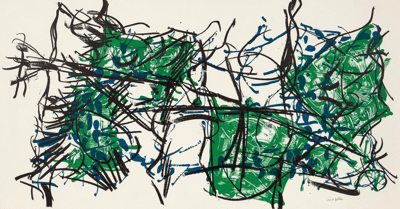
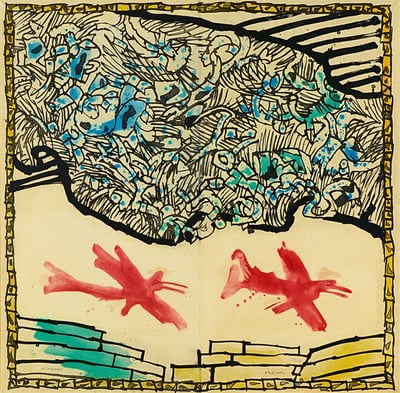
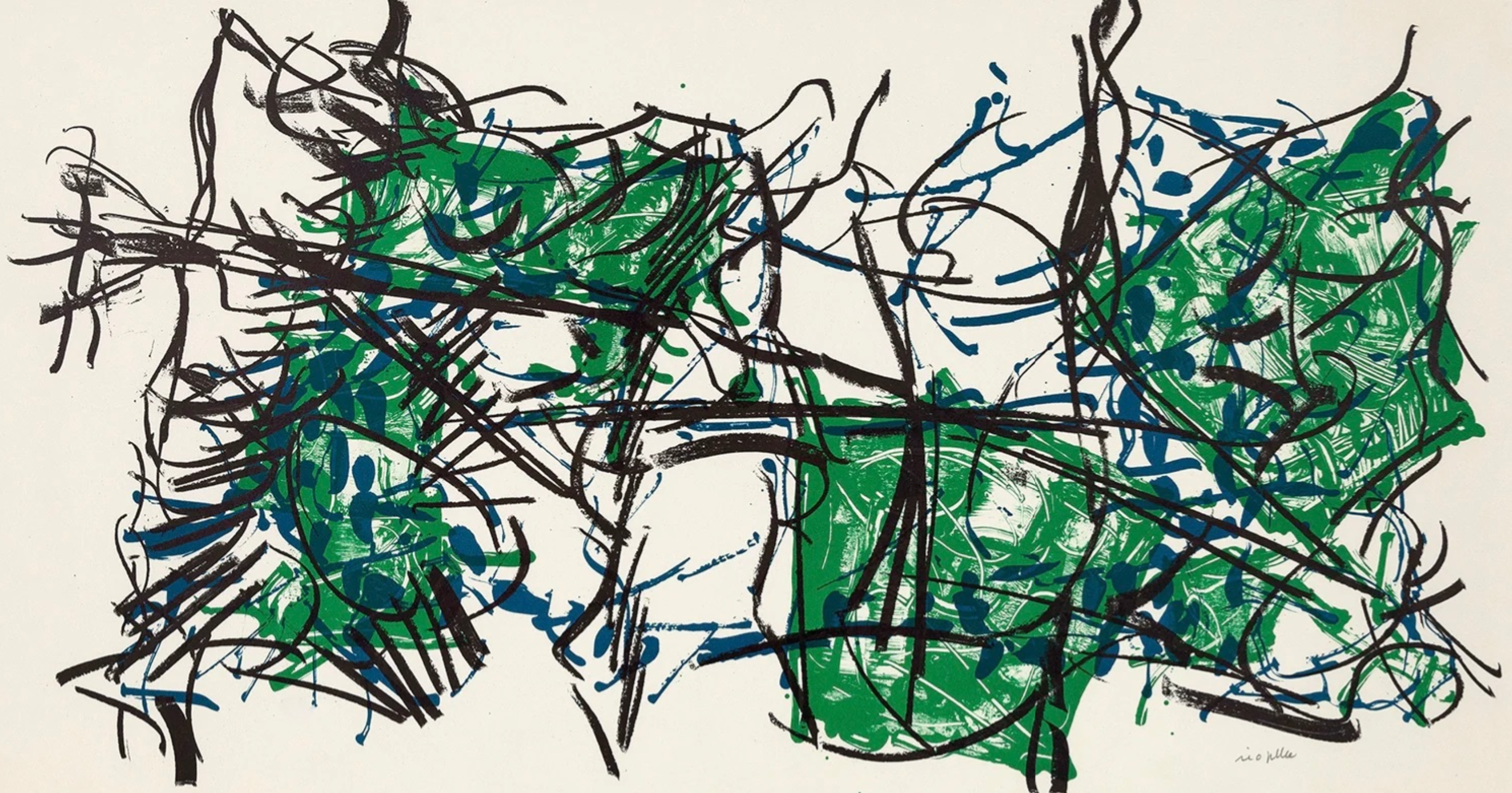
Jean-Paul Riopelle’s Album #10 Cat No. 222 (1967) is a dynamic lithograph that epitomizes the artist’s abstract expressionist style. Bold black gestural lines dominate the composition, intertwining with vibrant patches of green and blue, creating a sense of rhythm and controlled chaos. The interplay of color and movement evokes both organic and improvisational energy, characteristic of Riopelle’s artistic approach. Measuring 16 × 31 1/2 inches (40.6 × 80 cm), this lithograph is part of a limited edition of 75, with an additional 10 hors commerce (HC) copies. Printed and published by Arte Adrien Maeght in Paris, France, each piece is hand-signed, dated, and numbered by the artist.
Artwork Copyright © Jean-Paul RiopelleJean-Paul Riopelle (Canada, 1923–2002) was a pivotal figure in Abstract Expressionism and the Automatism. Known for his dynamic, palette knife-painted compositions, Riopelle’s works feature vivid colors and intricate textures. His influence extended internationally, bridging Canadian and European art. He also produced notable lithographs and experimented with sculpture later in his career.
Artwork Copyright © Jean-Paul RiopelleAlbum #10 Cat No. 222, 1967
Form
Medium
Size
- Inches
- Centimeters
Edition
Price
- USD
- EUR
- GBP
- CHF
- Authenticity Guaranteed
- Insured Shipping
- Online Since 2005
●Inventory 15479
●Signed
●Comes with gallery invoice and certificate
●Sell Us a Similar Artwork. Learn more.
- Lithograph on paper.
- Signed, dated, and numbered in pencil.
- Printed and published by Arte Adrien Maeght, Paris, France
Jean-Paul Riopelle’s Album #10 Cat No. 222 (1967) is a dynamic lithograph that epitomizes the artist’s abstract expressionist style. Bold black gestural lines dominate the composition, intertwining with vibrant patches of green and blue, creating a sense of rhythm and controlled chaos. The interplay of color and movement evokes both organic and improvisational energy, characteristic of Riopelle’s artistic approach. Measuring 16 × 31 1/2 inches (40.6 × 80 cm), this lithograph is part of a limited edition of 75, with an additional 10 hors commerce (HC) copies. Printed and published by Arte Adrien Maeght in Paris, France, each piece is hand-signed, dated, and numbered by the artist.
Artwork Copyright © Jean-Paul RiopelleJean-Paul Riopelle (Canada, 1923–2002) was a pivotal figure in Abstract Expressionism and the Automatism. Known for his dynamic, palette knife-painted compositions, Riopelle’s works feature vivid colors and intricate textures. His influence extended internationally, bridging Canadian and European art. He also produced notable lithographs and experimented with sculpture later in his career.
Artwork Copyright © Jean-Paul Riopelle- Recently Added
- Price (Low-High)
- Price (High-Low)
- Year (Low-High)
- Year (High-Low)
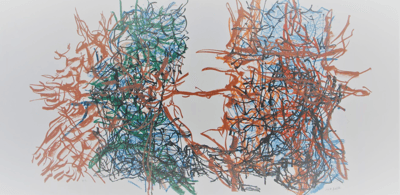
Jean-Paul Riopelle
Album #7 Cat. No. 221, 1967
Limited Edition Print
Lithograph
USD 4,125
Jean-Paul Riopelle
Album #10 Cat No. 222, 1967
Limited Edition Print
Lithograph
USD 4,125
Related Artists

Related Articles
Popular, News, Artists - January 27, 2026
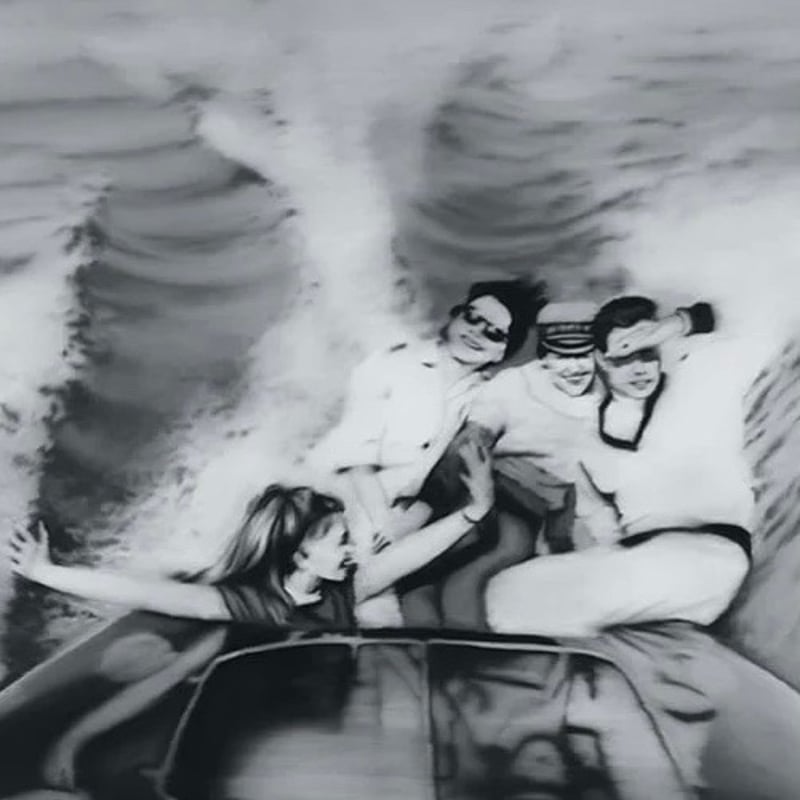
Gerhard Richter at Fondation Louis Vuitton: Why It Matters for Collectors
Art dealer Kris Ghesquière examines the Gerhard Richter exhibition at Fondation Louis Vuitton and its significance for collectors and the art market.Read More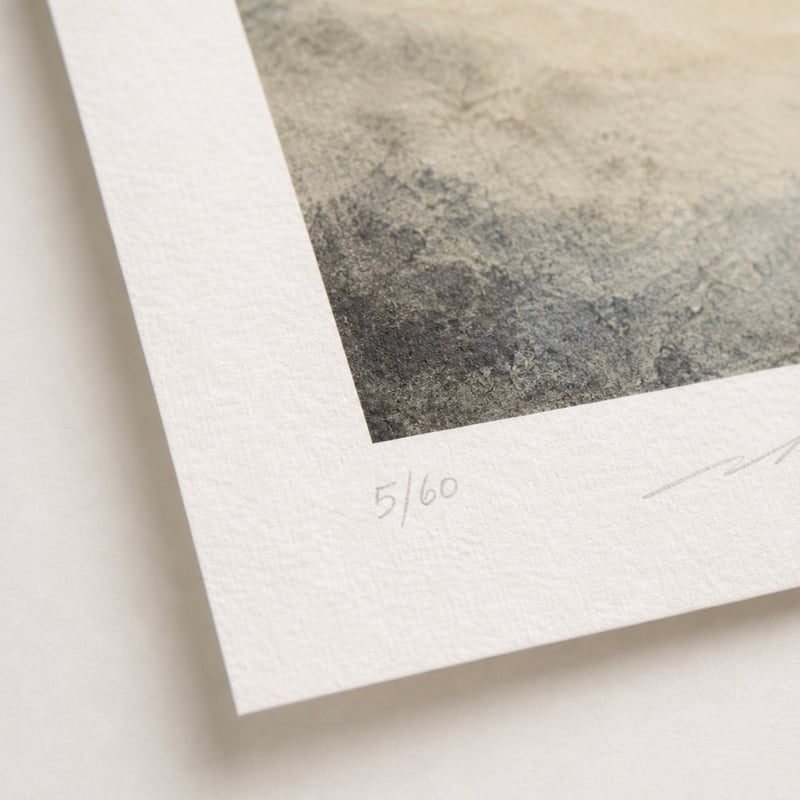
Artwork by Bram Bogart
What is Art Informel?
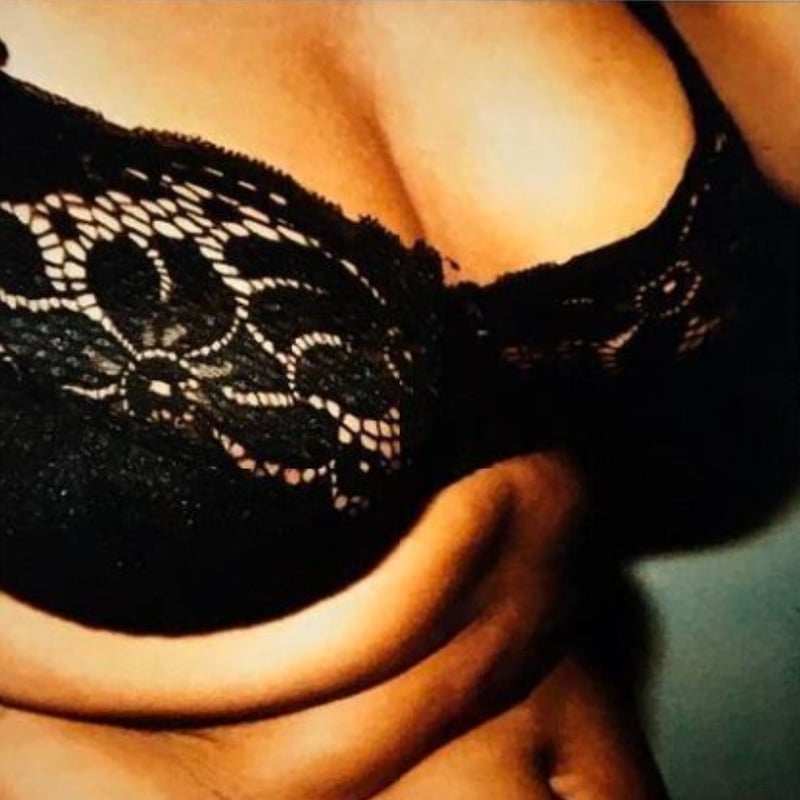
Art Informel is a French term referring to the gestural and improvisational techniques common in abstract painting during the 1940s and 50s. It encompasses various styles that dominated these decades, characterized by informal, spontaneous methods. Artists used this term to describe approaches that moved away from traditional structures and embraced more expressive, unstructured techniques.
Jean-Paul Riopelle
Album #10 Cat No. 222, 1967
40.6 x 80 cm


