
Der Erste Mai, 2003-2004
Form
Medium
Size
- Inches
- Centimeters
Edition
Price
- Authenticity Guaranteed
- Insured Shipping
- Online Since 2005
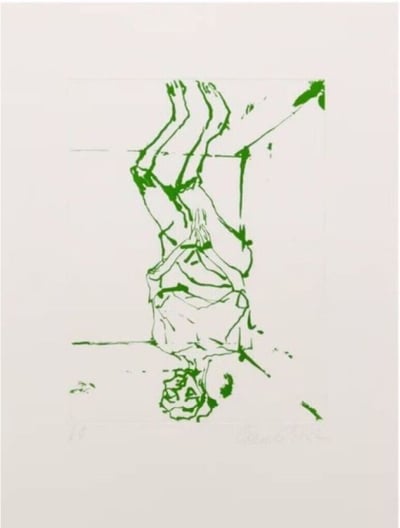
Georg Baselitz
Serpentine - green, 2022
Limited Edition Print
Etching and Aquatint
Inquire For Price
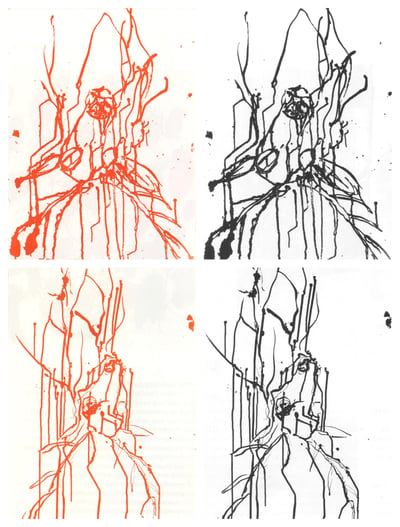
Georg Baselitz
Hirsche (set of 4), 2022
Limited Edition Print
Etching and Aquatint
Make Your Offer
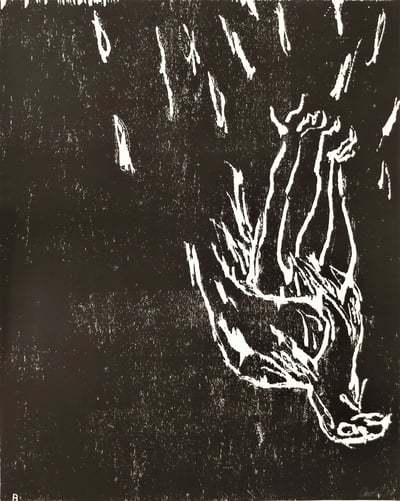
Georg Baselitz
Adler (Eagle) 1, 1981
Limited Edition Print
Woodcut
Inquire For Price
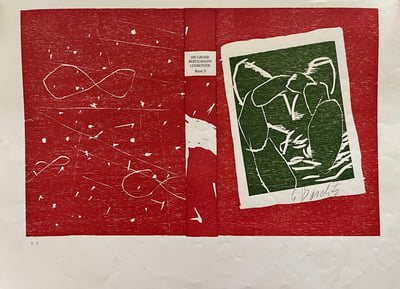
Georg Baselitz
Die Grosse..., 1992
Limited Edition Print
Serigraph
EUR 1,550
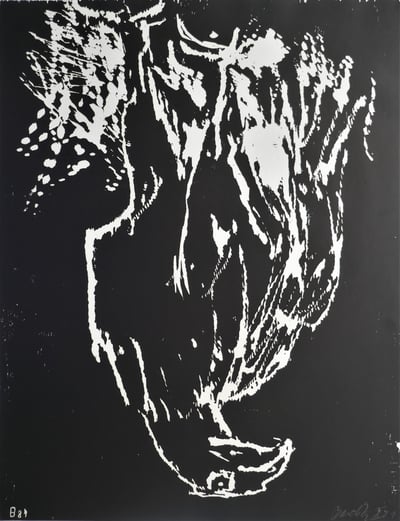
Georg Baselitz
Adler (Eagle) 2, 1981
Limited Edition Print
Woodcut
Currently Not Available
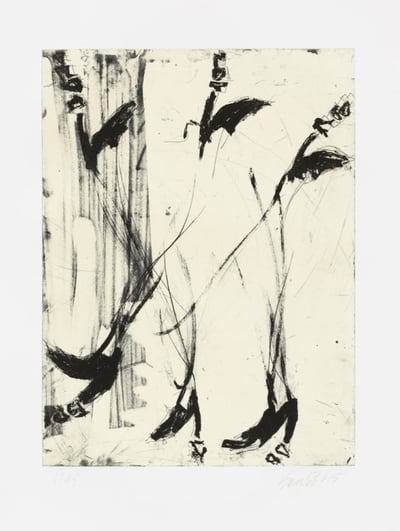
Georg Baselitz
Sono sei piedi, 2015
Limited Edition Print
Etching and Aquatint
Currently Not Available
Related Artists

Related Articles
Artists - November 11, 2024
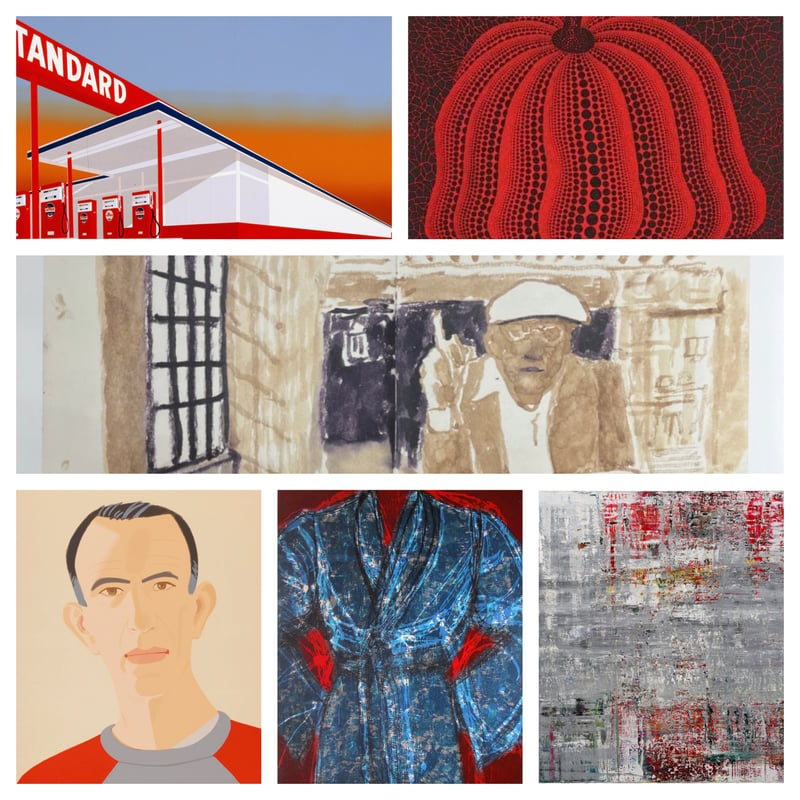
25 Living Icons: A Generation of Artists Defying Time
Celebrate 25 living legends redefining art! From Kusama to Hockney, explore their enduring creativity and groundbreaking contributions to modern art.Read More
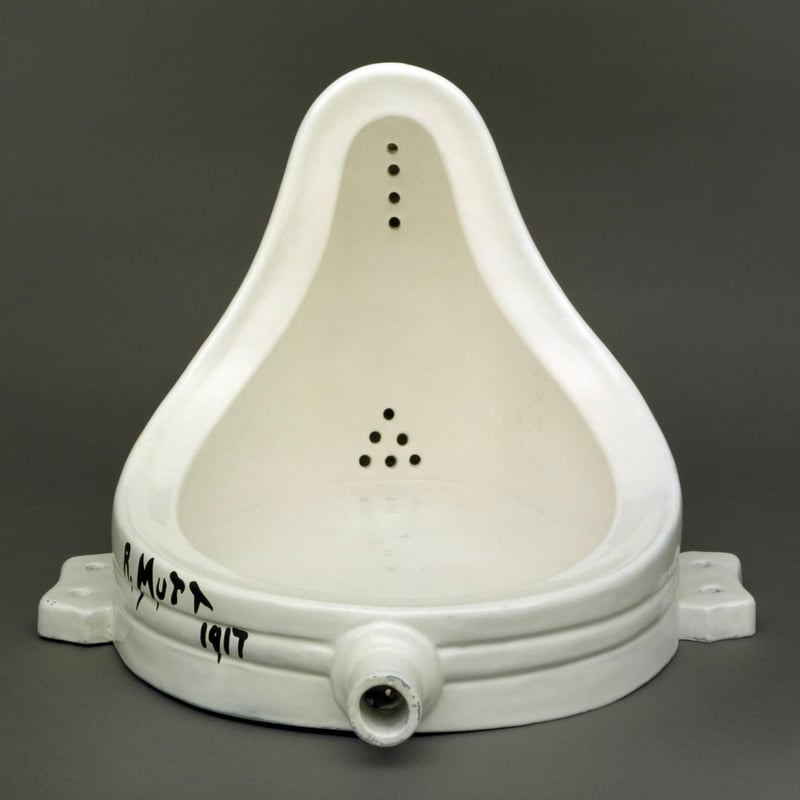

What is dada?
Also known as Dadaism, Dada was a literary and artistic movement that began in 1916 in Zurich, Switzerland. It emerged as a rejection of rationalism and nationalism, which were seen as contributing factors to World War I. The movement had political undertones and was strongly anti-war. Dada activities included demonstrations, gatherings, and the publication of literary and art journals that explored cultural and political topics.


