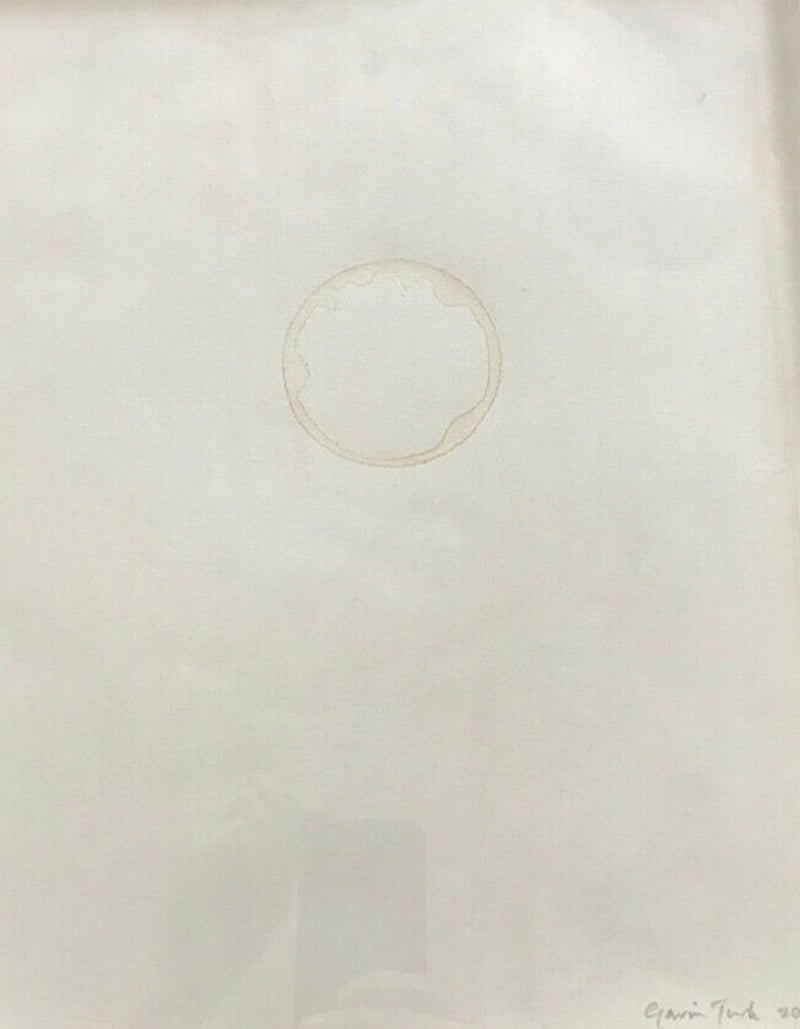
Tea Stain, 2004
Form
Medium
Size
- Inches
- Centimeters
Edition
Price
- Authenticity Guaranteed
- Insured Shipping
- Online Since 2005
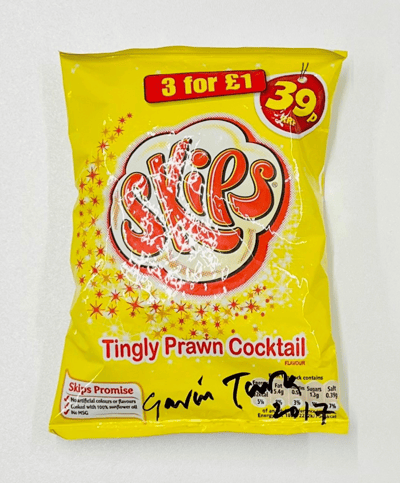
Gavin Turk
Transubsantiation, 2017
Sculpture / Object
Mixed Media
Inquire For Price
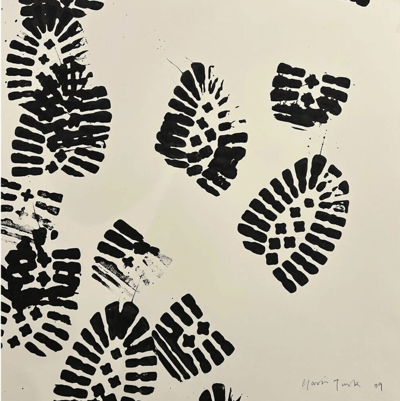
Gavin Turk
Boot, 2009
Painting
Acrylic on paper
Inquire For Price

Gavin Turk
Merlot Damask, 2011
Limited Edition Print
Mixed Media
Inquire For Price

Gavin Turk
Knob, 1997
Limited Edition Print
Silkscreen
GBP 5,000 – 8,000
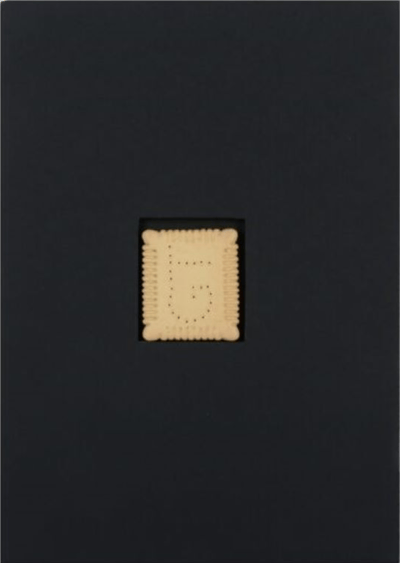
Gavin Turk
GT Biscuit, 2015
Sculpture / Object
Resin
Inquire For Price
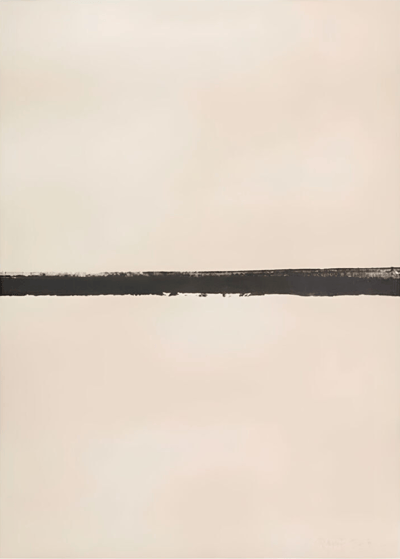
Gavin Turk
Cycle Line, 2018
Limited Edition Print
Mixed Media
GBP 2,100
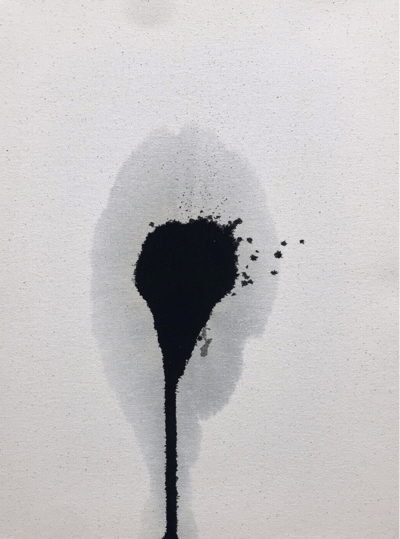
Gavin Turk
Black Gold, 2015
Painting
Oil on canvas
GBP 5,000 – 7,000
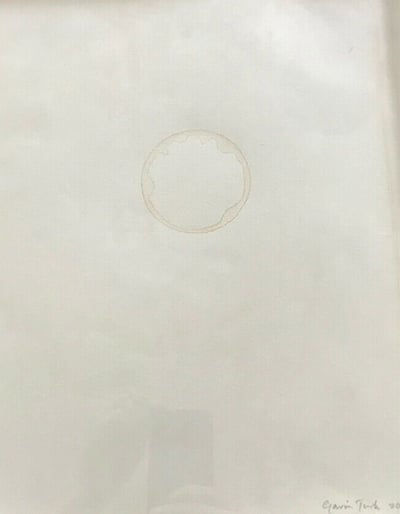
Gavin Turk
Tea Stain, 2004
Limited Edition Print
Mixed Media
Currently Not Available
Related Artists
Related Articles

Art Movements - May 1, 2022
The Young British Artists : How Money, Hype and Power Revamped Art in the 1990’s
Discover how the Young British Artists transformed the 1990s art world with bold creativity, media savviness, and groundbreaking works like Damien Hirst’s shark.Read More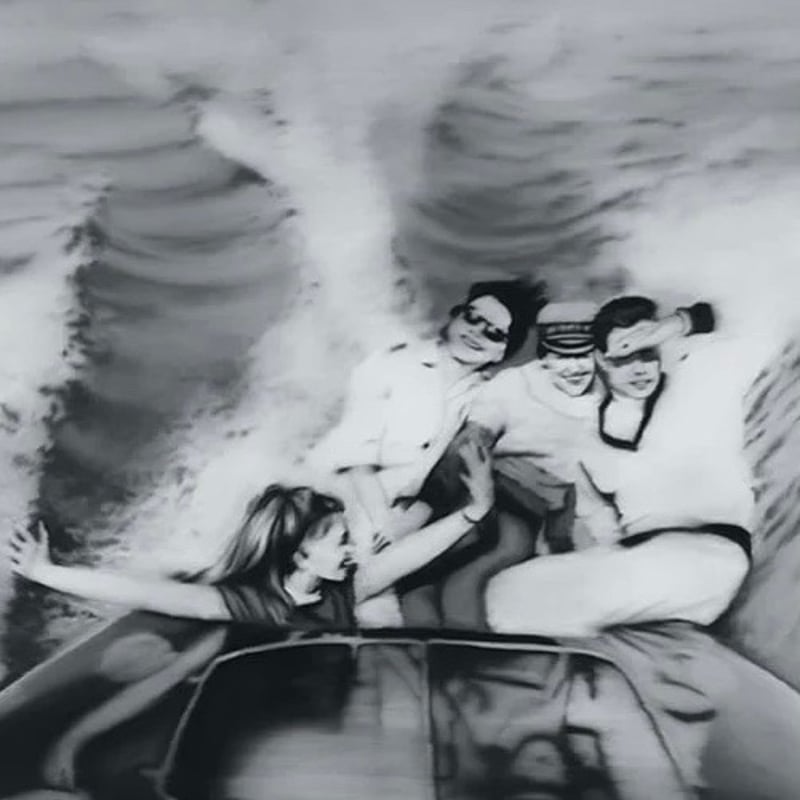
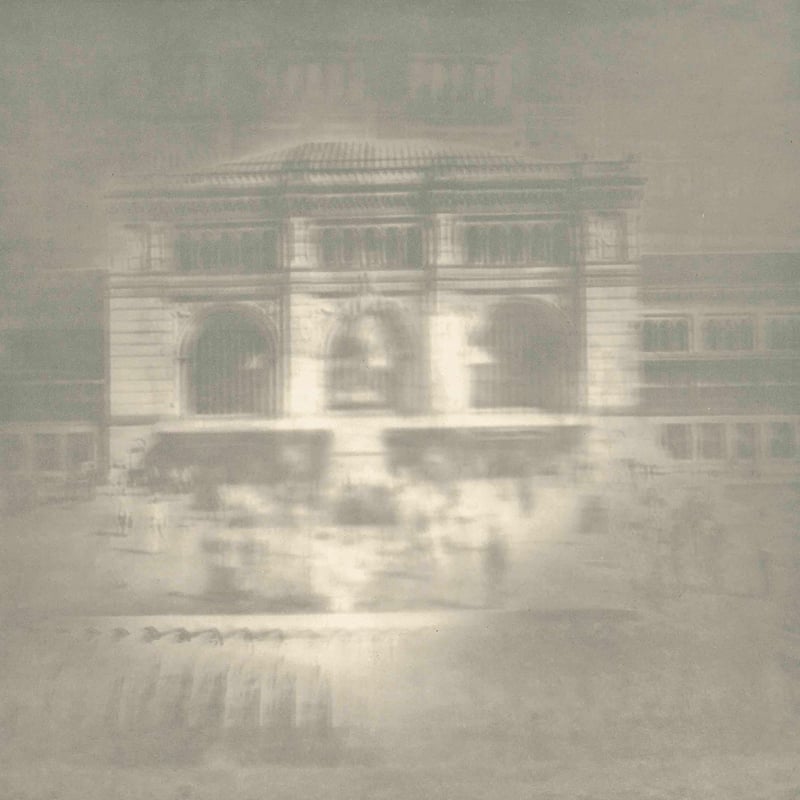

What is appropriation?
Appropriation in art involves using pre-existing images or objects with little or no modification. This technique has played a significant role across various art forms, including visual arts, music, performance, and literature. In visual arts, appropriation refers to the practice of adopting, sampling, recycling, or borrowing elements—or even entire forms—of existing visual culture, integrating them into new works to create meaning or critique.

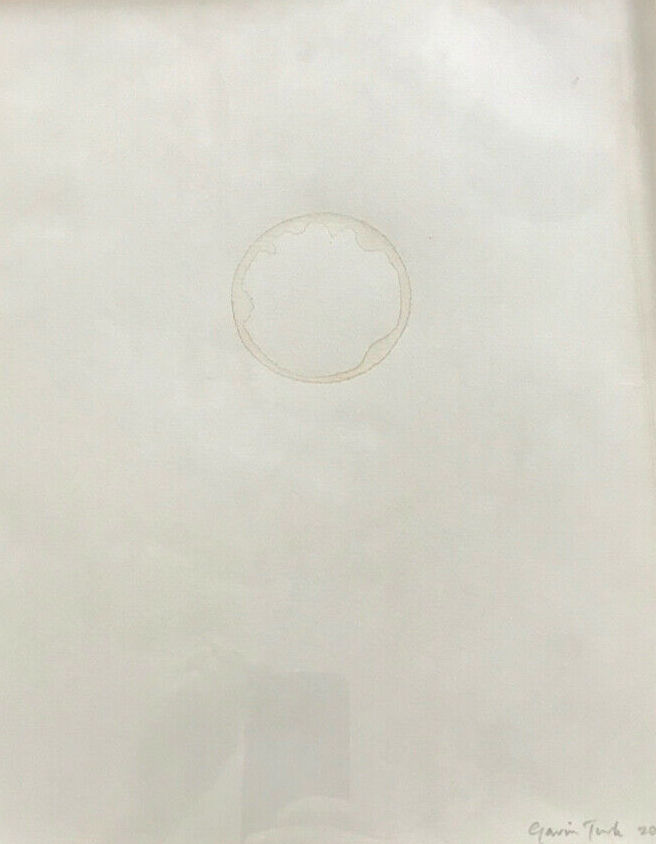
Gavin Turk
Tea Stain, 2004
34 x 25 cm


