Details
Artist
Styles
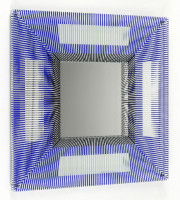
wood, steel and serigraph // Vibration Bandes Noir, Bleu et Turquoise by Antonio Asis is a mixed-media piece created in 2010, using wood, steel, and serigraphy. This work is part of a limited edition of 15, showcasing Asis’s expertise in kinetic and optical art. The structured composition features vertical bands in black, blue, and turquoise, arranged in a grid-like pattern that shifts visually with the viewer’s movement. The precise alignment of these bands against a steel framework creates a vibrating optical effect, inviting the viewer to engage actively with the piece. Asis’s use of contrasting colors and linear design generates an illusion of movement and depth, a hallmark of his approach to visual perception and interactive art.
Vibration bandes noir, bleu et turquoise, 2010
form
Medium
Size
52 x 52 X 13 cm
- Inches
- Centimeters
Edition
Price
- USD
- EUR
- GBP
Details
Artist
Styles
wood, steel and serigraph // Vibration Bandes Noir, Bleu et Turquoise by Antonio Asis is a mixed-media piece created in 2010, using wood, steel, and serigraphy. This work is part of a limited edition of 15, showcasing Asis’s expertise in kinetic and optical art. The structured composition features vertical bands in black, blue, and turquoise, arranged in a grid-like pattern that shifts visually with the viewer’s movement. The precise alignment of these bands against a steel framework creates a vibrating optical effect, inviting the viewer to engage actively with the piece. Asis’s use of contrasting colors and linear design generates an illusion of movement and depth, a hallmark of his approach to visual perception and interactive art.
- Recently Added
- Price (low-high )
- Price (high-low )
- Year (low-high )
- Year (high-low )

Antonio Asis
Boules Tactiles Sur Font Rouge, 2015
Sculpture / Object
Mixed Media
EUR 3,000

Antonio Asis
Vibration Bandes Noir, Bleu Et Turquoise, 2010
Sculpture / Object
Mixed Media
EUR 3,000

Antonio Asis
Vibration 4 Cercles Noir Et Blanc, 2010
Sculpture / Object
Mixed Media
EUR 3,000

Antonio Asis
Asistype 20 - Boule Sur Cercle, 2016
Sculpture / Object
Monotype
EUR 3,500

Antonio Asis
3 Cercles Noir Et Blanc, 2014
Sculpture / Object
Mixed Media
EUR 3,000

Antonio Asis
Asistype 20 – Boule Sur Cercle, 2016
Sculpture / Object
Monotype
EUR 3,000

Antonio Asis
Asistype 19 – Boule Sur Cercle, 2016
Sculpture / Object
Monotype
EUR 3,000

Antonio Asis
Asistype 18 – Boule Sur Cercle, 2016
Sculpture / Object
Monotype
EUR 3,000

Antonio Asis
Asistype 17 – Boule Sur Cercle, 2016
Sculpture / Object
Monotype
EUR 3,000

Antonio Asis
Asistype 16 – Boule Sur Cercle, 2016
Sculpture / Object
Monotype
EUR 3,000

Antonio Asis
Asistype 15 – Boule Sur Cercle, 2016
Sculpture / Object
Monotype
EUR 3,000

Antonio Asis
Asistype 14 – Boule Sur Cercle, 2016
Sculpture / Object
Monotype
EUR 3,000

Antonio Asis
Asistype 13 – Boule Sur Cercle, 2016
Sculpture / Object
Monotype
EUR 3,000

Antonio Asis
Asistype 11 – Boule Sur Cercle, 2016
Sculpture / Object
Monotype
EUR 3,000

Antonio Asis
Vibration Cercles Mauve, Rouge Et Turquoise, 2010
Sculpture / Object
Mixed Media
EUR 3,000

Antonio Asis
3 Ovals Noir Et Blanc, 2012
Sculpture / Object
Mixed Media
EUR 3,000

Antonio Asis
Vibration 9 Petits Et 4 Grands Cercles, 2010
Sculpture / Object
Mixed Media
EUR 3,000

Antonio Asis
Vibration Carré Noir Et Bleu, 2012
Sculpture / Object
Mixed Media
EUR 3,000

Antonio Asis
Vibration Grand Cercle, 2010
Sculpture / Object
Mixed Media
EUR 3,000

Antonio Asis
Vibration Bandes Bleus Et Rouges, 2010
Sculpture / Object
Mixed Media
EUR 3,000

Antonio Asis
Interferences Cercles De Couleurs, 2010
Limited Edition Print
Mixed Media
EUR 2,200

Antonio Asis
Interferences Cercles Rouge Et Blanc, 2010
Limited Edition Print
Mixed Media
EUR 2,200

Antonio Asis
Interferences Cercles Noir Et Blanc, 2010
Limited Edition Print
Mixed Media
EUR 2,200

Antonio Asis
Vibration Cercles Noir Et Blanc, 2010
Sculpture / Object
Mixed Media
EUR 3,000

Antonio Asis
Vibration Cercles Noir, Orange Et Rouge, 2010
Sculpture / Object
Mixed Media
EUR 3,000

Antonio Asis
Vibration 16 Carres Bleu Et Jaune, 2010
Sculpture / Object
Mixed Media
EUR 3,000
Related Artists



Related Articles
Popular, Collecting - July 23, 2025
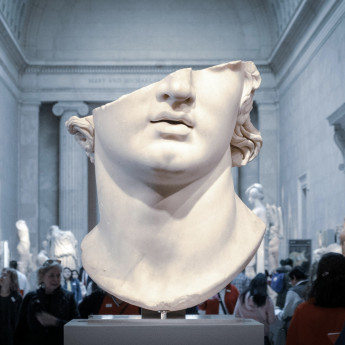
Sculpture Care and Display: From Plinths to Pedestals in Your Home
Learn how to display and care for sculpture at home—from lighting tips to material care—so your art can truly shine in any space. Read More

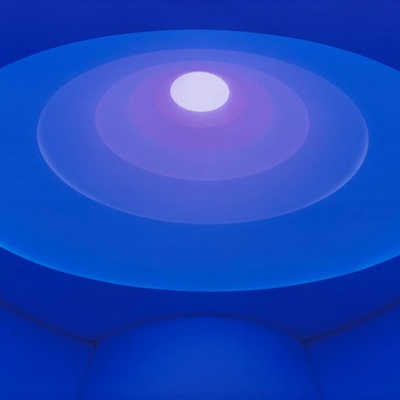
What is ‘light and space’?
The Light and Space Movement refers to loosely affiliated art movements connected to minimalism, geometric abstraction, and op art that originated in Southern California in the 1960s. Greatly influenced by artist John McLaughlin, these artists focused on sensory phenomena such as light, perception, and space as central elements of their work. They also incorporated cutting-edge technologies from the aerospace and engineering industries to develop light-filled and sensuous objects, creating immersive experiences that emphasize the viewer's perception.