

The Sovereign Self: Tracey Emin’s A Second Life at Tate Modern (2026) and the Evolution of a Global Market

By Emilia Novak
The opening of Tracey Emin: A Second Life at Tate Modern in February 2026 marks a decisive moment in the realignment of contemporary British art history. As the most ambitious survey of Tracey Emin to date, the exhibition formally consolidates her transition from the polarising figure of the Young British Artists generation into a position of institutional authority and scholarly respect.
Spanning over ninety works across painting, sculpture, video, textile, neon and installation, the retrospective presents four decades of practice with a tone of restraint and clarity. For collectors, this is not merely a cultural milestone; it is a structural market signal. Canonisation brings scarcity into sharper focus, particularly with regard to unique works that are increasingly absorbed into long-term institutional collections.
The Curatorial Architecture of A Second Life
Curated under the direction of Maria Balshaw, the exhibition departs from the sensational framing that surrounded Emin in the 1990s. Deep-toned gallery walls and intimate staging encourage concentrated encounters with the work, repositioning her practice as one of sustained formal inquiry rather than episodic controversy.
The narrative unfolds through the dual structure of a “first life” and “second life.” The pivotal installation My Bed (1998) anchors this transition — once interpreted as provocation, now understood as a psychological document of extraordinary prescience. The work bridges her early confessional mode with the later paintings and sculptural works that emerged after her 2020 cancer diagnosis.

The First Life: Confession as Structure
The retrospective revisits the destruction of Emin’s early student works in the early 1990s — an act she described as emotional annihilation and renewal. This gesture established the defining principle of her practice: the collapse of the boundary between private experience and public artwork.
Video works such as Why I Never Became a Dancer (1995) and textile pieces incorporating handwritten text reveal a disciplined consistency beneath the autobiographical surface. The refusal to aestheticise trauma, and the insistence on retaining vulnerability within the finished object, would become her signature.
From a market perspective, early unique works from this period are exceptionally scarce. Many reside in museum collections; others were destroyed. This structural rarity underpins the strength of her blue-chip positioning today.
Trauma as Cultural Language
Works addressing sexual violence, miscarriage and emotional rupture are presented in 2026 without sensational framing. Neon texts and embroidered calico pieces that once generated tabloid headlines now sit comfortably within feminist art history.
The shift is significant. Emin’s work is no longer framed as confessional spectacle but as a critical articulation of the female body and lived experience. This reframing enhances long-term institutional value and reinforces the durability of her market.

My Bed and the YBA Legacy
My Bed remains the fulcrum of her career. Its £2.5 million sale in 2014 (approximately $4.3 million) established a public valuation benchmark that continues to influence the perception of her large-scale installations.
Placed at the conclusion of the “first life” section, the work functions less as shock and more as prophecy. It anticipated the contemporary discourse around mental health, intimacy and exposure — themes that now dominate cultural production.
For collectors, My Bed is not simply iconic; it is infrastructural. It stabilises the valuation logic of the broader body of work.
The Second Life: Survival and Monumentality
The exhibition’s second half addresses Emin’s recovery from aggressive bladder cancer in 2020. The physical ordeal — including major surgery — catalysed a renewed commitment to painting.
Large-scale canvases from 2022–2024 reveal heightened gestural urgency. Lines fracture and reassemble the body; handwritten phrases punctuate expanses of pigment. These works possess a spiritual gravity absent from the earlier confrontational period.
New photographs documenting her post-surgical body reject secrecy. Rather than diminishing the work’s authority, this candour reinforces it. The late paintings are widely regarded as the most resolved and formally ambitious works of her career.
Institutional acquisitions over the past five years confirm this assessment.

Market Analysis: 2020–2026
The global market for Tracey Emin is characterised by sustained demand and constrained supply.
- Auction record: approximately $4.3 million (My Bed)
- Unique paintings: regularly exceeding seven figures
- Neons: consistent overperformance relative to estimates
- Editions: increasing liquidity and collector participation
As museums secure major works, private collectors increasingly engage through lithographs, polymer gravures and small-edition neons.
Editions as Strategic Entry Points
Editioned works are not secondary in conceptual terms. Emin’s handwriting, direct text and drawing-based compositions translate effectively into print formats. Controlled edition sizes preserve scarcity while maintaining accessibility.
Typical performance ranges:
- Lithographs: £4,000–£12,000
- Polymer gravures: £1,500–£6,000
- Small-edition neons: frequently exceeding estimates
Portfolios and multiples from tightly curated series remain particularly resilient.

Institutional Consolidation
Recent acquisitions by the Baltimore Museum of Art and major London institutions underscore her international standing. Public commissions such as The Doors at the National Portrait Gallery further embed her practice within the architectural fabric of the city.
Her Margate residency programme extends this legacy into mentorship and curatorial practice, reinforcing her role not only as artist but as cultural architect.
From Scandal to Canon
Critical discourse in 2026 emphasises formal invention rather than biography. Scholars increasingly note:
- Structural coherence across decades
- The disciplined use of text as compositional anchor
- The translation of trauma into formal abstraction
- Monumental scale in late painting
A Second Life demonstrates that retrospectives can function as living propositions rather than historical closures.

Works from Key Periods
For collectors examining this moment closely, works from the following periods carry particular resonance:
- Late 1990s–early 2000s text-based editions
- Mid-2000s neons exploring intimacy and language
- Post-2020 works on paper reflecting renewed physical urgency
Selected works currently available may be viewed below. Each relates directly to themes examined in the Tate Modern survey — whether through handwritten confession, distilled line, or the interplay between fragility and defiance.
Conclusion: A Market Aligned with Maturity
Tracey Emin: A Second Life confirms a transformation that has been unfolding quietly for more than a decade. The artist once framed through controversy now stands firmly within the canon of contemporary European art.
For collectors, the implications are clear:
- Institutional absorption of unique works will continue.
- Editions will play an increasingly central role in private collections.
- Late paintings represent a mature, structurally important phase.
Emin’s practice has always revolved around the sovereign self — unfiltered, unresolved, uncompromising. In 2026, that sovereignty has become institutional fact.
Her “second life” is not merely survival. It is consolidation.
By Emilia Novak
The opening of Tracey Emin: A Second Life at Tate Modern in February 2026 marks a decisive moment in the realignment of contemporary British art history. As the most ambitious survey of Tracey Emin to date, the exhibition formally consolidates her transition from the polarising figure of the Young British Artists generation into a position of institutional authority and scholarly respect.
Spanning over ninety works across painting, sculpture, video, textile, neon and installation, the retrospective presents four decades of practice with a tone of restraint and clarity. For collectors, this is not merely a cultural milestone; it is a structural market signal. Canonisation brings scarcity into sharper focus, particularly with regard to unique works that are increasingly absorbed into long-term institutional collections.
The Curatorial Architecture of A Second Life
Curated under the direction of Maria Balshaw, the exhibition departs from the sensational framing that surrounded Emin in the 1990s. Deep-toned gallery walls and intimate staging encourage concentrated encounters with the work, repositioning her practice as one of sustained formal inquiry rather than episodic controversy.
The narrative unfolds through the dual structure of a “first life” and “second life.” The pivotal installation My Bed (1998) anchors this transition — once interpreted as provocation, now understood as a psychological document of extraordinary prescience. The work bridges her early confessional mode with the later paintings and sculptural works that emerged after her 2020 cancer diagnosis.
The First Life: Confession as Structure
The retrospective revisits the destruction of Emin’s early student works in the early 1990s — an act she described as emotional annihilation and renewal. This gesture established the defining principle of her practice: the collapse of the boundary between private experience and public artwork.
Video works such as Why I Never Became a Dancer (1995) and textile pieces incorporating handwritten text reveal a disciplined consistency beneath the autobiographical surface. The refusal to aestheticise trauma, and the insistence on retaining vulnerability within the finished object, would become her signature.
From a market perspective, early unique works from this period are exceptionally scarce. Many reside in museum collections; others were destroyed. This structural rarity underpins the strength of her blue-chip positioning today.
Trauma as Cultural Language
Works addressing sexual violence, miscarriage and emotional rupture are presented in 2026 without sensational framing. Neon texts and embroidered calico pieces that once generated tabloid headlines now sit comfortably within feminist art history.
The shift is significant. Emin’s work is no longer framed as confessional spectacle but as a critical articulation of the female body and lived experience. This reframing enhances long-term institutional value and reinforces the durability of her market.
My Bed and the YBA Legacy
My Bed remains the fulcrum of her career. Its £2.5 million sale in 2014 (approximately $4.3 million) established a public valuation benchmark that continues to influence the perception of her large-scale installations.
Placed at the conclusion of the “first life” section, the work functions less as shock and more as prophecy. It anticipated the contemporary discourse around mental health, intimacy and exposure — themes that now dominate cultural production.
For collectors, My Bed is not simply iconic; it is infrastructural. It stabilises the valuation logic of the broader body of work.
The Second Life: Survival and Monumentality
The exhibition’s second half addresses Emin’s recovery from aggressive bladder cancer in 2020. The physical ordeal — including major surgery — catalysed a renewed commitment to painting.
Large-scale canvases from 2022–2024 reveal heightened gestural urgency. Lines fracture and reassemble the body; handwritten phrases punctuate expanses of pigment. These works possess a spiritual gravity absent from the earlier confrontational period.
New photographs documenting her post-surgical body reject secrecy. Rather than diminishing the work’s authority, this candour reinforces it. The late paintings are widely regarded as the most resolved and formally ambitious works of her career.
Institutional acquisitions over the past five years confirm this assessment.
Market Analysis: 2020–2026
The global market for Tracey Emin is characterised by sustained demand and constrained supply.
- Auction record: approximately $4.3 million (My Bed)
- Unique paintings: regularly exceeding seven figures
- Neons: consistent overperformance relative to estimates
- Editions: increasing liquidity and collector participation
As museums secure major works, private collectors increasingly engage through lithographs, polymer gravures and small-edition neons.
Editions as Strategic Entry Points
Editioned works are not secondary in conceptual terms. Emin’s handwriting, direct text and drawing-based compositions translate effectively into print formats. Controlled edition sizes preserve scarcity while maintaining accessibility.
Typical performance ranges:
- Lithographs: £4,000–£12,000
- Polymer gravures: £1,500–£6,000
- Small-edition neons: frequently exceeding estimates
Portfolios and multiples from tightly curated series remain particularly resilient.
Institutional Consolidation
Recent acquisitions by the Baltimore Museum of Art and major London institutions underscore her international standing. Public commissions such as The Doors at the National Portrait Gallery further embed her practice within the architectural fabric of the city.
Her Margate residency programme extends this legacy into mentorship and curatorial practice, reinforcing her role not only as artist but as cultural architect.
From Scandal to Canon
Critical discourse in 2026 emphasises formal invention rather than biography. Scholars increasingly note:
- Structural coherence across decades
- The disciplined use of text as compositional anchor
- The translation of trauma into formal abstraction
- Monumental scale in late painting
A Second Life demonstrates that retrospectives can function as living propositions rather than historical closures.
Works from Key Periods
For collectors examining this moment closely, works from the following periods carry particular resonance:
- Late 1990s–early 2000s text-based editions
- Mid-2000s neons exploring intimacy and language
- Post-2020 works on paper reflecting renewed physical urgency
Selected works currently available may be viewed below. Each relates directly to themes examined in the Tate Modern survey — whether through handwritten confession, distilled line, or the interplay between fragility and defiance.
Conclusion: A Market Aligned with Maturity
Tracey Emin: A Second Life confirms a transformation that has been unfolding quietly for more than a decade. The artist once framed through controversy now stands firmly within the canon of contemporary European art.
For collectors, the implications are clear:
- Institutional absorption of unique works will continue.
- Editions will play an increasingly central role in private collections.
- Late paintings represent a mature, structurally important phase.
Emin’s practice has always revolved around the sovereign self — unfiltered, unresolved, uncompromising. In 2026, that sovereignty has become institutional fact.
Her “second life” is not merely survival. It is consolidation.



Related Articles

Art Movements - May 01, 2022
The Young British Artists : How Money, Hype and Power Revamped Art in the 1990’s
Discover how the Young British Artists transformed the 1990s art world with bold creativity, media savviness, and groundbreaking works like Damien Hirst’s shark. Read More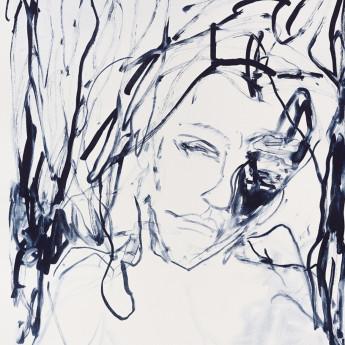

Related Artworks You Might Like

Tracey Emin
Ipad Sketches - Nativity Set Of 5, 2013
Limited Edition Print
Giclée printing
GBP 2,700

Tracey Emin
Love Is What You Want, 2011 / 2015
Limited Edition Print
Offset Print
GBP 4,200

Tracey Emin
Nativity Series (cat), 2013
Limited Edition Print
Giclée printing
GBP 900