
What is Surrealism?
- Show All
- Established
- Discoveries
- Show All
Artworks Related to Surrealism

Joan Miró
Commedia D’arte V, 1979
Limited Edition Print
Etching
USD 15,000 - 20,000
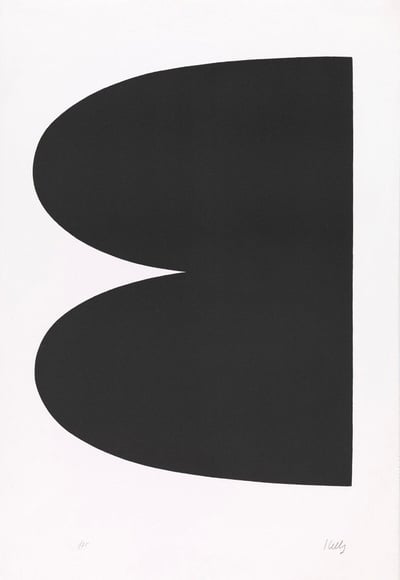
Ellsworth Kelly
Black (Noir), 1964-65
Limited Edition Print
Lithograph
USD 20,000 - 25,000
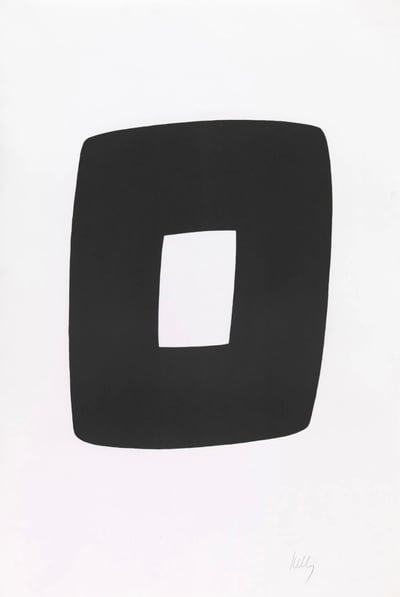
Ellsworth Kelly
Black with White, 1964-65
Limited Edition Print
Lithograph
USD 22,500
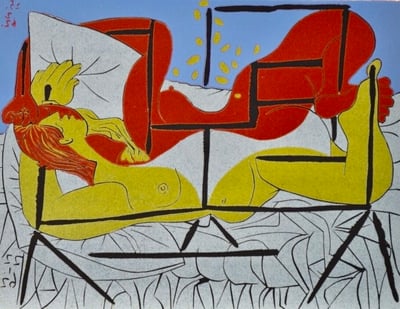
Pablo Picasso
DANAÉ (B. 1084; BA. 1286), 1962
Limited Edition Print
Linocut
Inquire For Price
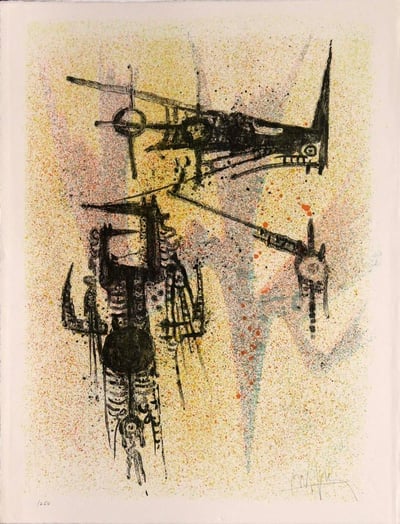
Wifredo Lam
Untitled (from the Flight), 1968
Limited Edition Print
Lithograph
USD 1,100

Ellsworth Kelly
Blue Green Black Red, 1971
Limited Edition Print
Lithograph
Currently Not Available
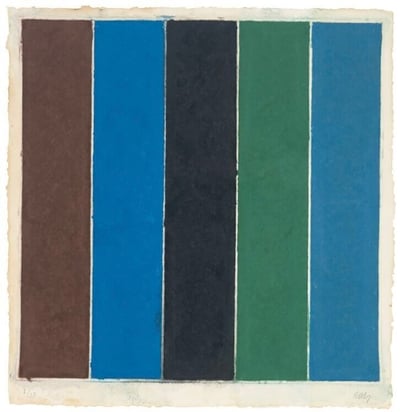
Ellsworth Kelly
Colored Paper Image XIX, 1976
Limited Edition Print
Mixed Media
USD 22,900
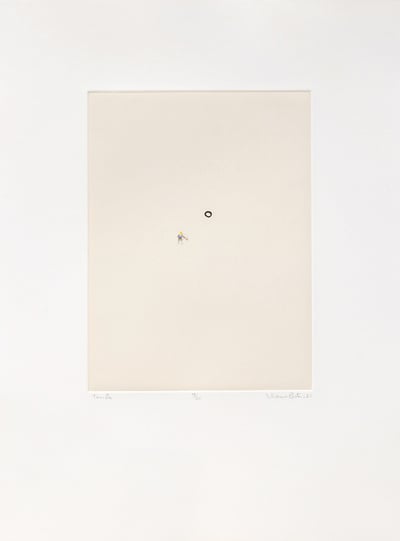
Liliana Porter
Tenista, 2021
Limited Edition Print
Collage
EUR 1,800

Pablo Picasso
Le peintre et son modele, 1954
Limited Edition Print
Lithograph
EUR 23,500
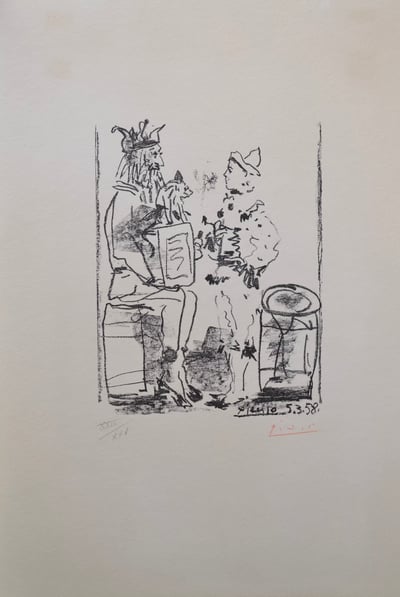
Pablo Picasso
Les Saltmbanque (B855), 1958
Limited Edition Print
Lithograph
USD 8,950
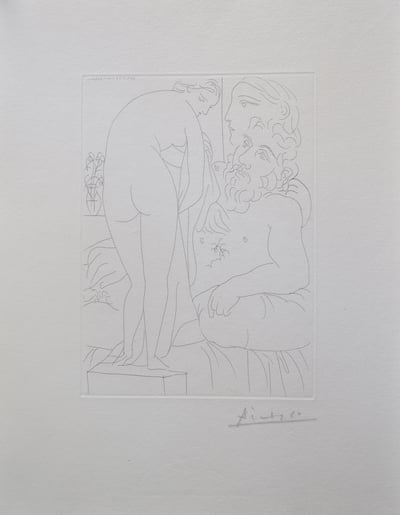
Pablo Picasso
Le repos du sculpteur devant un nu à la draperie, pl. 51 (B160 Vollard), 1933-1939
Limited Edition Print
Etching
Artwork On Hold
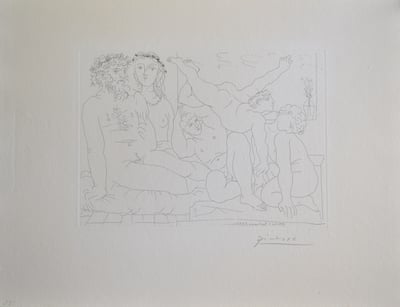
Pablo Picasso
Famille de Saltimbanques (B163 Vollard), 1933-1939
Limited Edition Print
Etching
Artwork On Hold
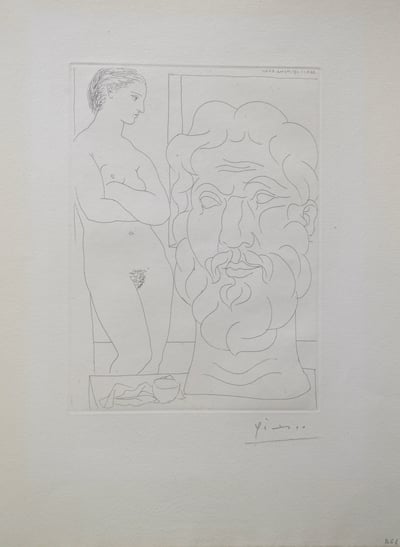
Pablo Picasso
Modèle et Grande Tête Sculptée (B170 Vollard), 1933
Limited Edition Print
Etching
USD 15,500
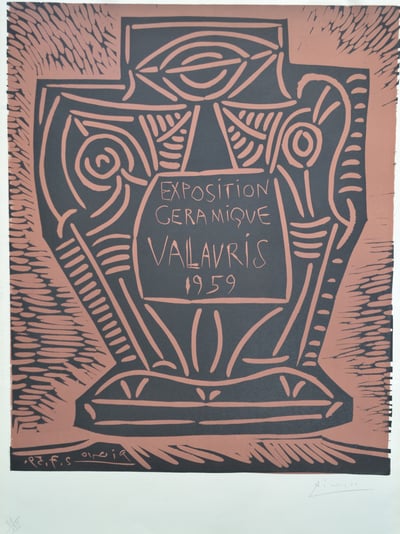
Pablo Picasso
Exposition Céramique Vallauris - B1286 , 1959
Limited Edition Print
Linocut
USD 10,700
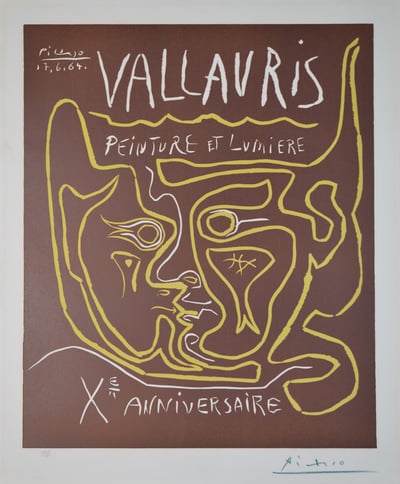
Pablo Picasso
Vallauris Exhibition - B1850, 1964
Limited Edition Print
Linocut
USD 10,700
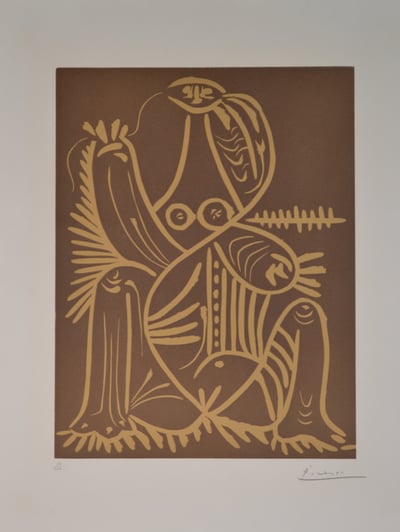
Pablo Picasso
Femme assise en pyjama de plage. II - B1062, 1961
Limited Edition Print
Linocut
USD 17,750
Related Articles

Pixel Art is a form of digital art created by placing individual pixels, similar to assembling a mosaic where each small piece contributes to a larger image. The style is often associated with nostalgia, as it draws on the techniques used in early video game graphics. Pixel art has seen a resurgence in popularity, both as a nod to retro aesthetics and as a distinct artistic style in modern digital art.

Postmodernism is an art movement that emerged as a reaction against authority and traditional boundaries, seeking to blur the lines between art and everyday life. It aimed to bridge the gap between the cultural elite and the general public by embracing eclectic mixtures of earlier conventions and styles. Postmodernist art often challenges established norms and celebrates diversity, irony, and pastiche, making it a movement that reflects the complexities of contemporary culture.
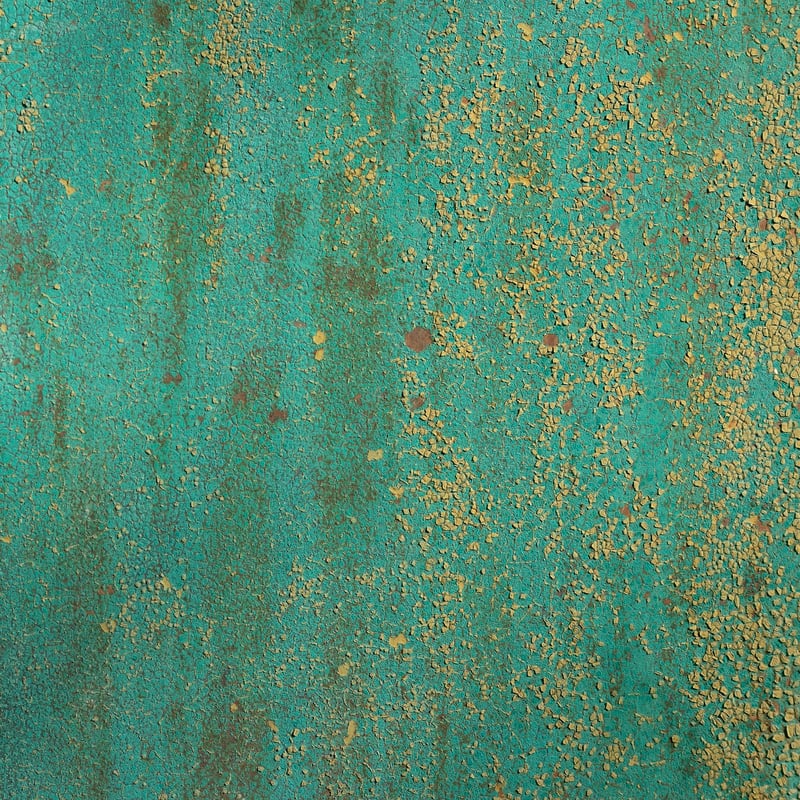
Patina is the distinctive greenish surface that bronze develops over time due to exposure to air and humidity. Artists can also apply chemicals to bronze to artificially create patina. Alternatively, bronze can be polished to reveal its natural rich gold color. Patina is not exclusive to bronze; it can also occur on other metals like copper and even on wood and stone, enhancing the material's character over time.
Can't find your Answer?
Thank you! Your question has been sent — we'll get back to you shortly.
