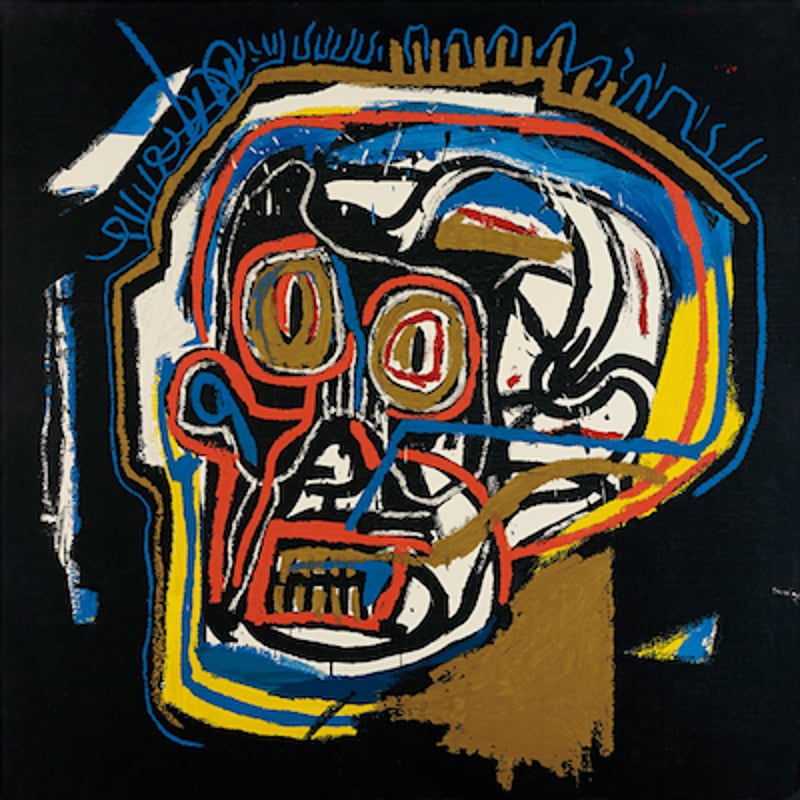
What is Street art?
- Show All
- Established
- Discoveries
- Show All
Artworks Related to Street Art
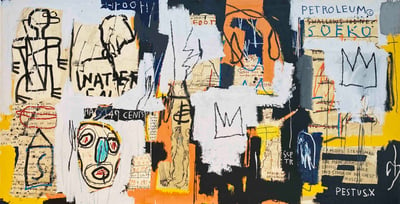
Jean-Michel Basquiat
Phooey, 1982/2021
Limited Edition Print
Screen-print
USD 130,000 - 160,000
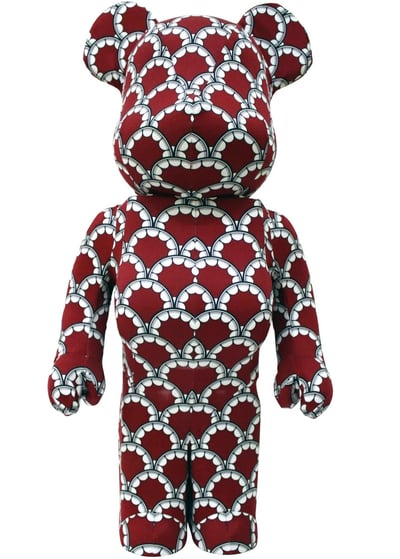
KAWS
KAWS x Bearbrick Anniversary 1000%, 2003
Sculpture / Object
Mixed Media
GBP 18,000
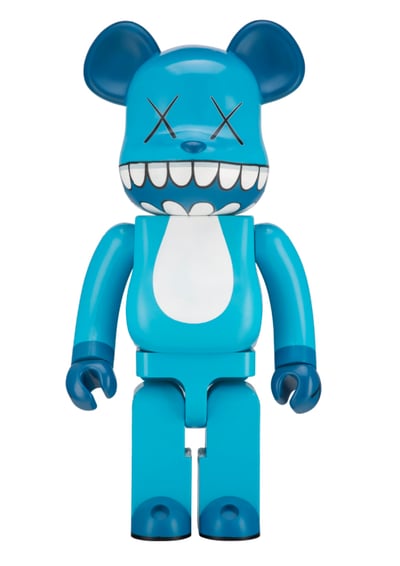
KAWS
KAWS x Bearbrick Chomper 1000%, 2003
Sculpture / Object
Mixed Media
Inquire For Price
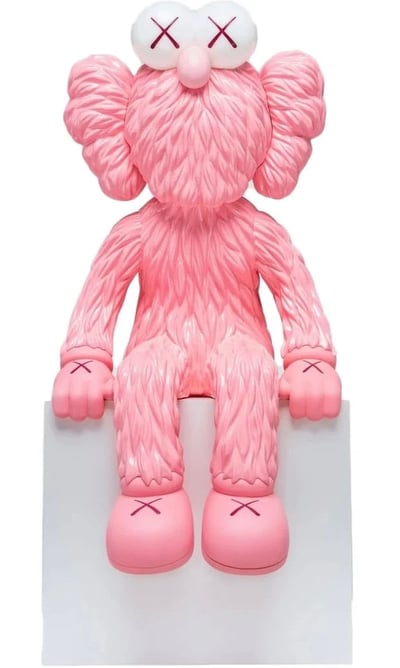
KAWS
Seeing Lamp - pink, 2020
Sculpture / Object
Mixed Media
GBP 60,000 - 70,000
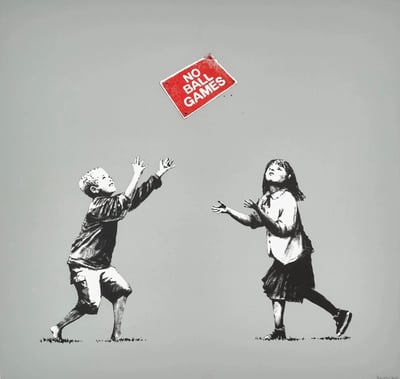
Banksy
No Ball Games - grey, 2009
Limited Edition Print
Screen-print
GBP 70,000 - 80,000
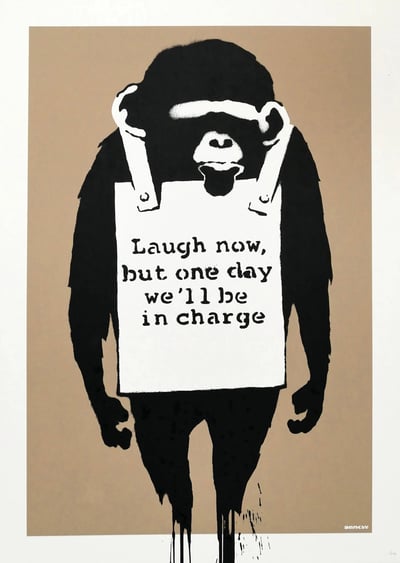
Banksy
Laugh Now (unsigned), 2003
Limited Edition Print
Screen-print
GBP 40,000 - 55,000
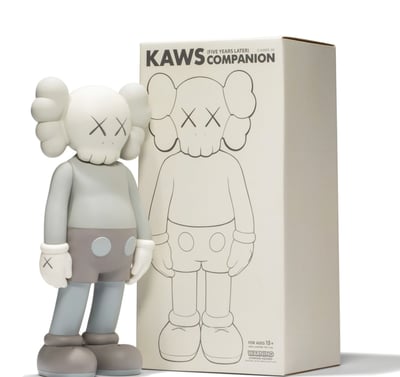
KAWS
5 Years Later Companion - grey, 2004
Sculpture / Object
Mixed Media
GBP 6,300
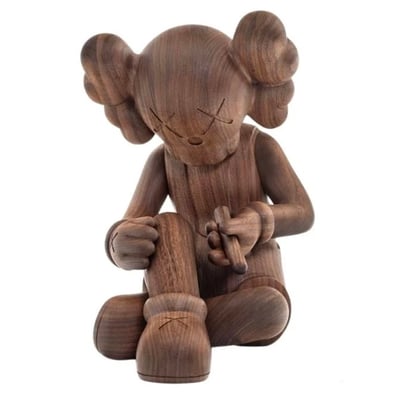
KAWS
Better Knowing, 2023
Sculpture / Object
Wood
Inquire For Price
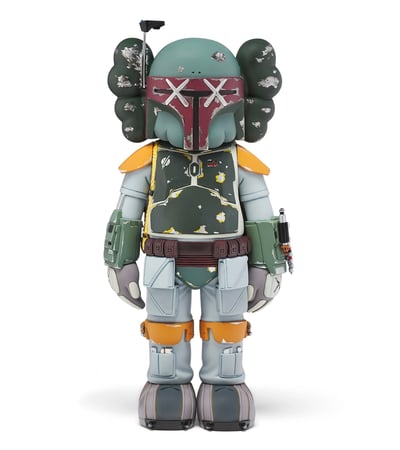
KAWS
Star Wars Boba Fett Companion, 2013
Sculpture / Object
Mixed Media
GBP 5,700
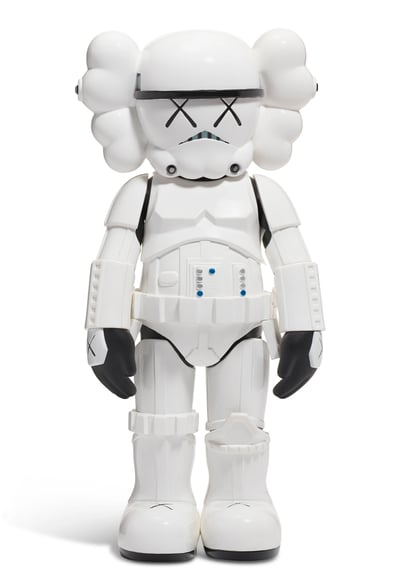
KAWS
Star Wars Stormtrooper Companion, 2008
Sculpture / Object
Mixed Media
GBP 5,700
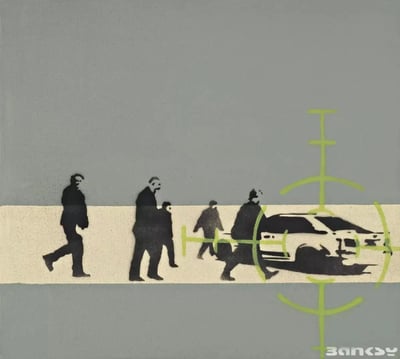
Banksy
Precision Bombing, 2000
Limited Edition Print
Mixed Media
GBP 250,000 - 280,000
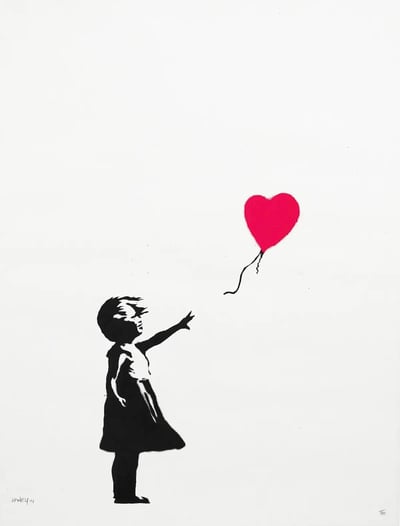
Banksy
Girl With A Balloon, 2004
Limited Edition Print
Screen-print
GBP 240,000 - 270,000
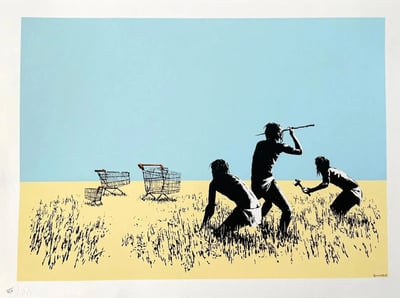
Banksy
Trolley Hunters, 2007
Limited Edition Print
Screen-print
GBP 30,000 - 40,000
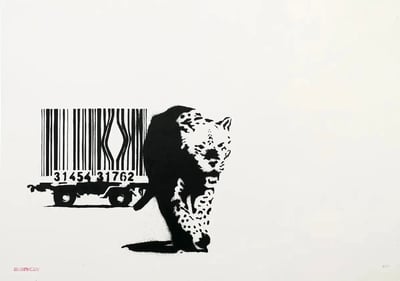
Banksy
Barcode, 2004
Limited Edition Print
Screen-print
GBP 70,000 - 90,000
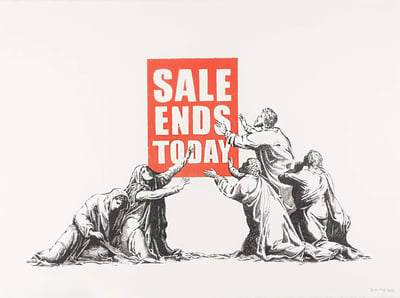
Banksy
Sale Ends (v2), 2017
Limited Edition Print
Screen-print
GBP 35,000 - 45,000
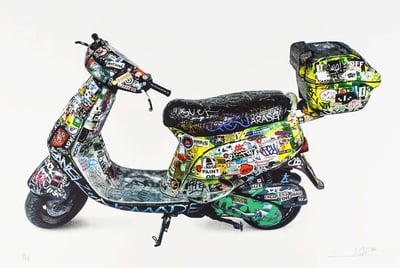
Invader
Scooter, 2015
Limited Edition Print
Lithograph
GBP 2,700
Related Articles
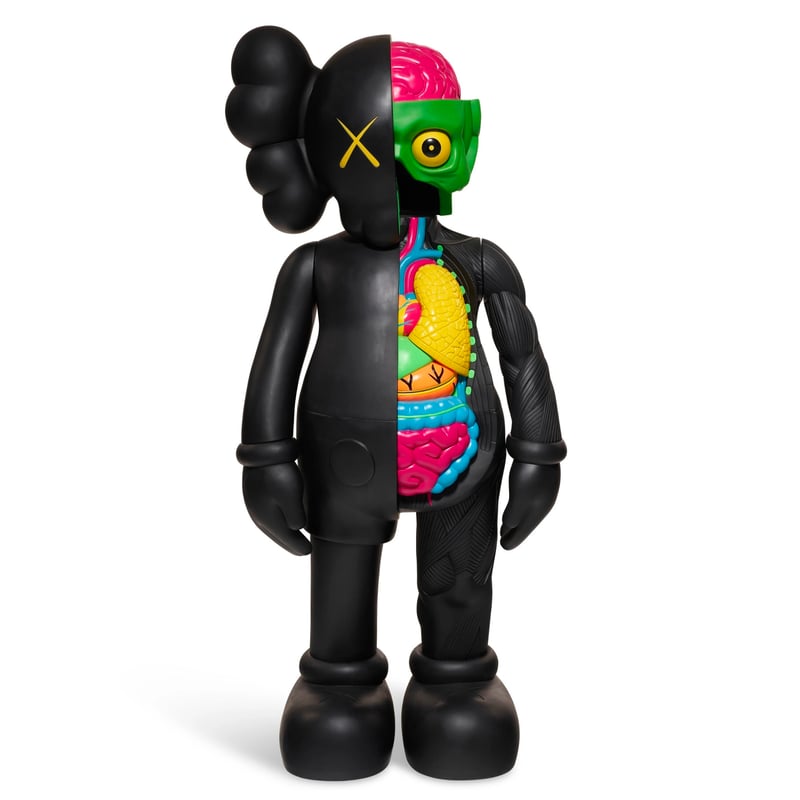
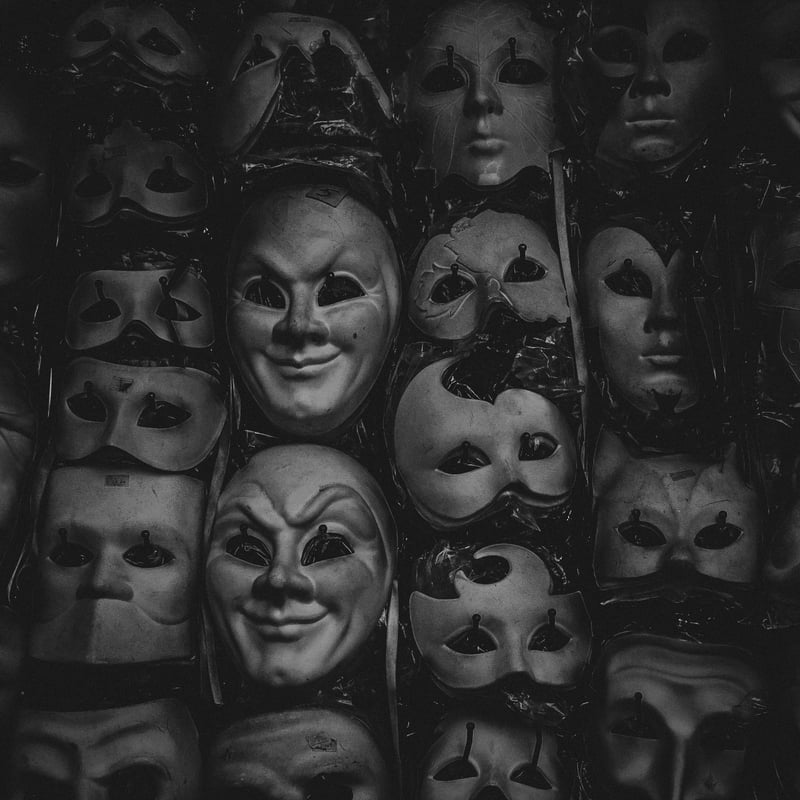
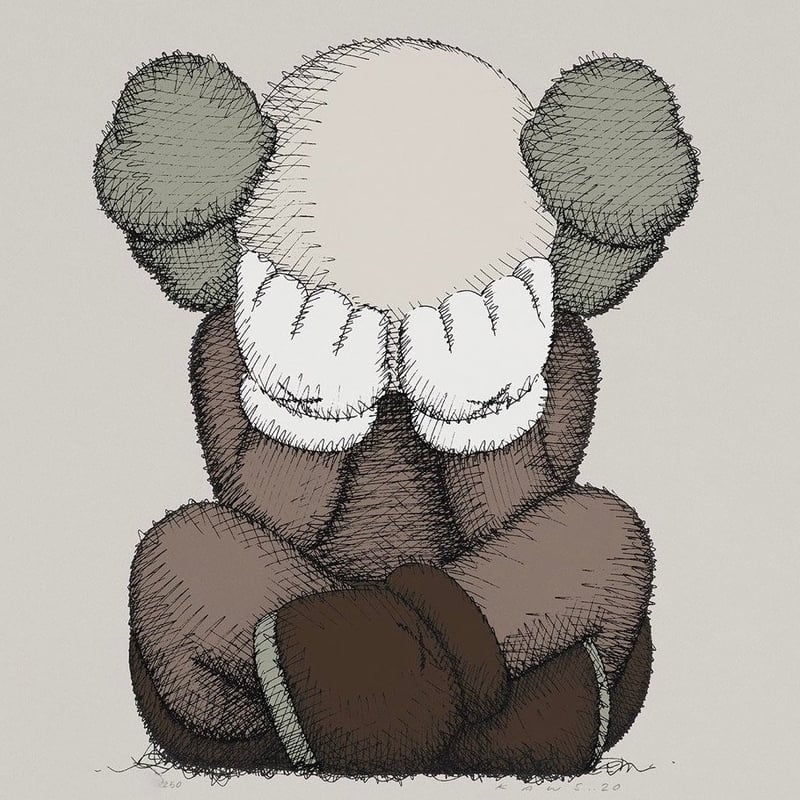
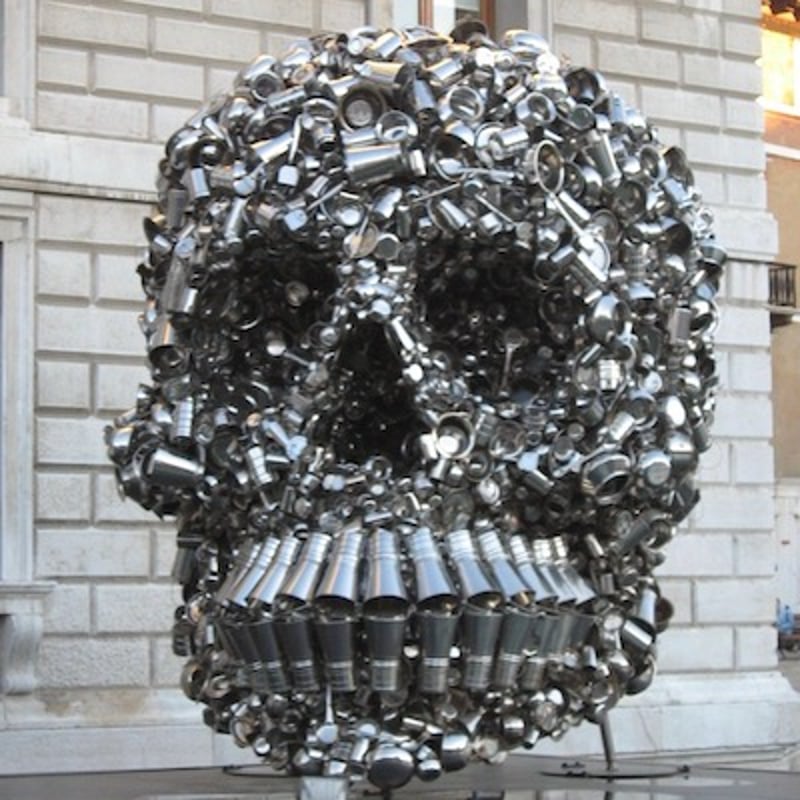
Junk art is a form of art that demonstrates how any material or object can be used to create a wide range of paintings, sculptures, installations, and assemblages. Many Junk Art pieces are made using ordinary materials found in everyday life. By applying artistic knowledge and skills, artists can transform these common objects into remarkable works of art.
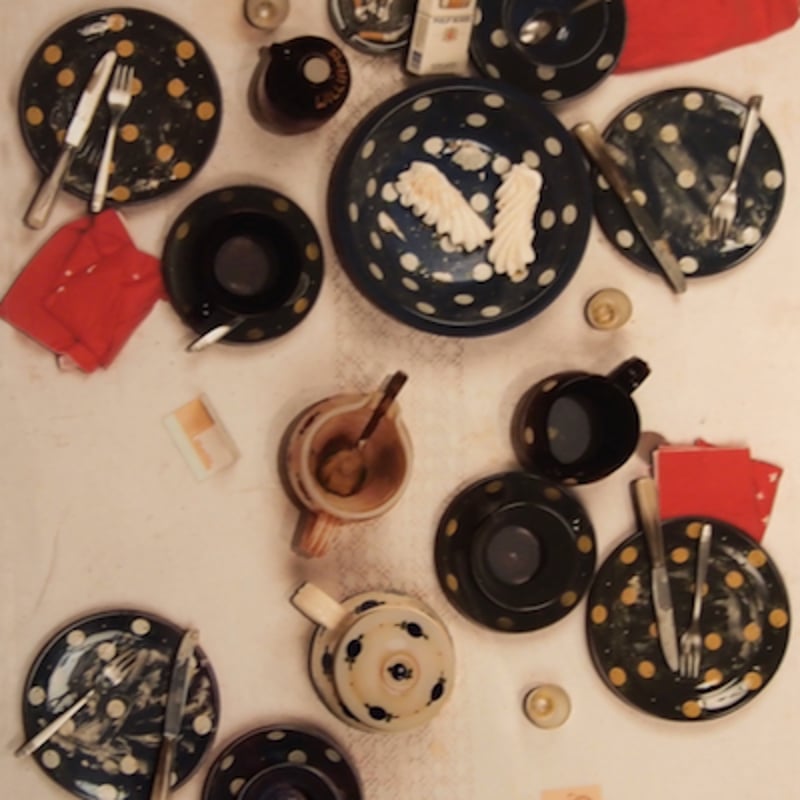
Nouveau Réalisme is an artistic movement founded in 1960 by art critic Pierre Restany and painter Yves Klein during a collective exhibition at a gallery in Milan. Restany wrote the original manifesto in April 1960, proclaiming the movement. In October of that year, nine artists, including Martial Raysse, Yves Klein, Daniel Spoerri, Jean Tinguely, Arman, Pierre Restany, and three Ultra-Lettrists—Jacques de la Villeglé, François Dufrêne, and Raymond Hains—signed the declaration. In 1961, the movement expanded to include Mimmo Rotella, Niki de Saint Phalle, Gérard Deschamps, and César. The movement emphasized a return to reality in art, often incorporating everyday objects and exploring the boundaries between art and life.
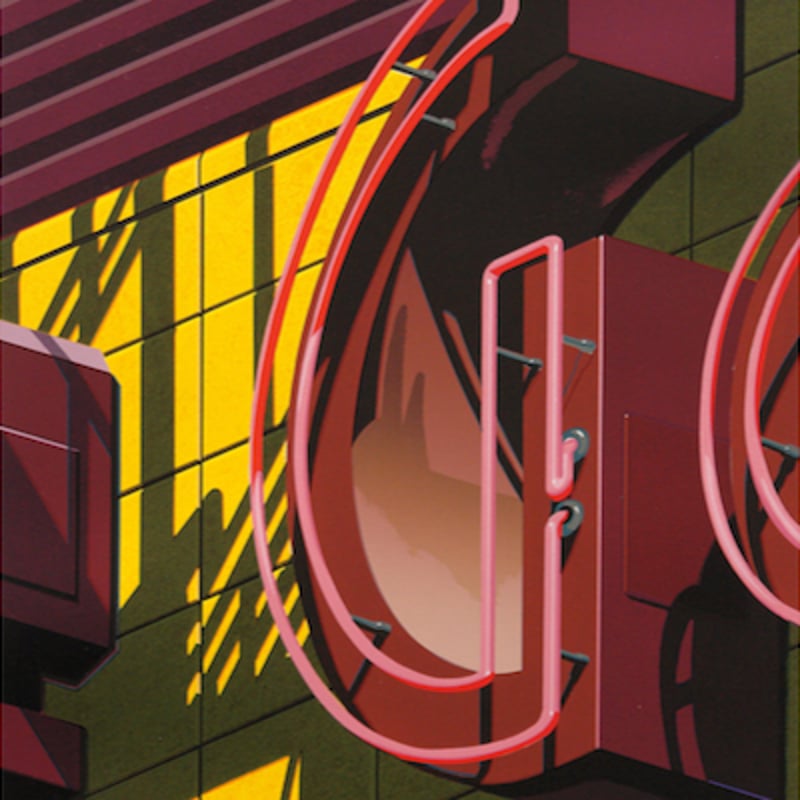
Hyperrealism is a genre of sculpture and painting that closely resembles high-resolution photographs. It is an evolution of Photorealism and is often applied to an independent art style or movement that became prominent in Europe and the United States in the early 2000s. Hyperrealist artists focus on extreme detail and precision, creating works that are often indistinguishable from real-life images.
Can't find your Answer?
Thank you! Your question has been sent — we'll get back to you shortly.
