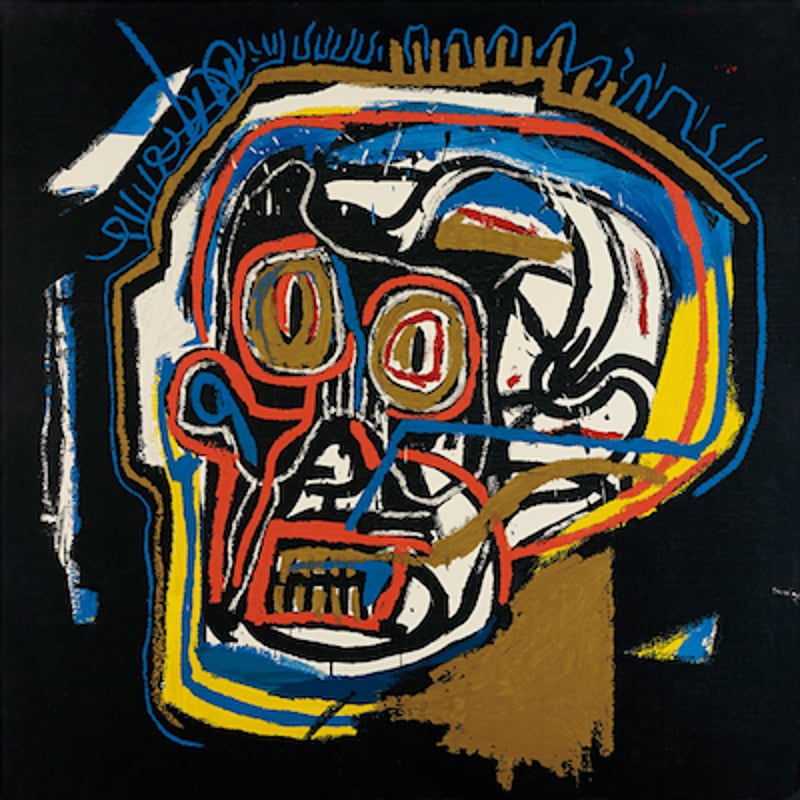
What is Street art?
- Show All
- Established
- Discoveries
- Show All
Artworks Related to Street Art

Keith Haring
Poster for Nuclear Disarmament, 1982
Limited Edition Print
Offset Print
USD 11,000 - 15,000
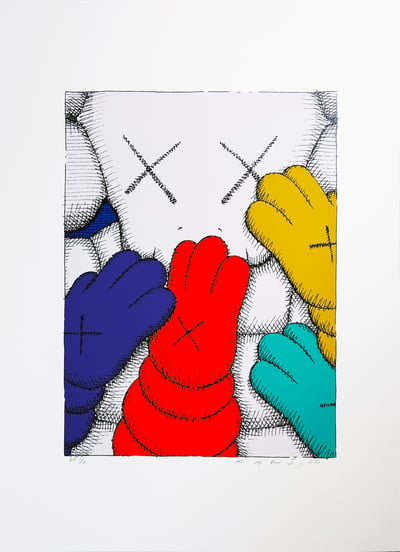
KAWS
Untitled II (Urge), 2020
Limited Edition Print
Silkscreen
Inquire For Price

KAWS
Chum Vinyl Figure, 2002
Sculpture / Object
Mixed Media
Inquire For Price
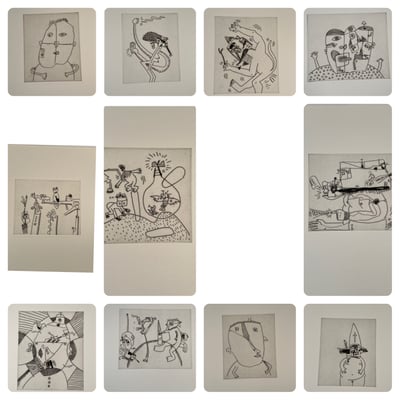
Keith Haring
Untitled (w/ Sean Kalish) - set, 1989
Limited Edition Print
Etching
USD 35,000 - 45,000
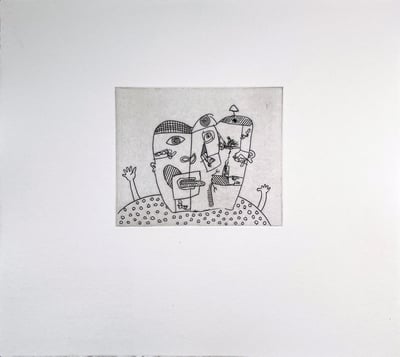
Keith Haring
Untitled (w/ Sean Kalish) #3, 1989
Limited Edition Print
Etching
USD 3,600
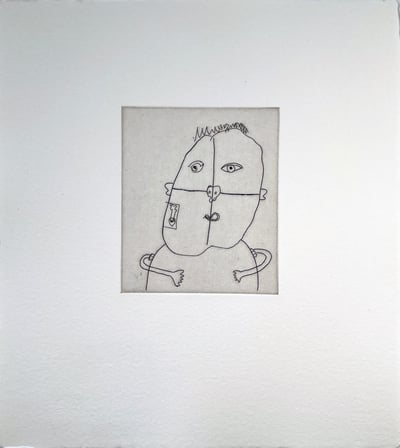
Keith Haring
Untitled (w/ Sean Kalish) #1, 1989
Limited Edition Print
Etching
USD 3,600
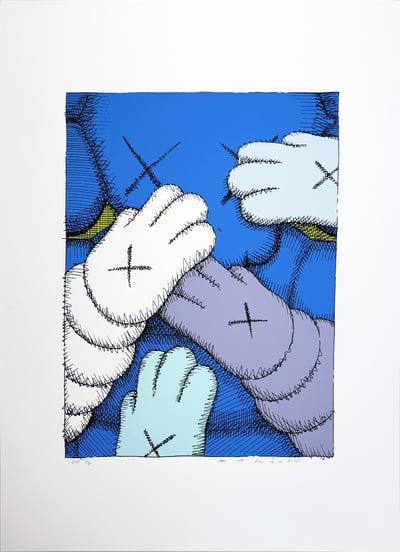
KAWS
Untitled V (Urge), 2020
Limited Edition Print
Silkscreen
EUR 7,800
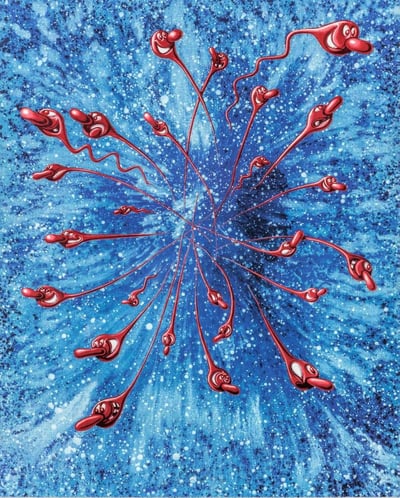
Kenny Scharf
In the beginning (red gloss & glitter edition), 2019
Limited Edition Print
Mixed Media
USD 7,200
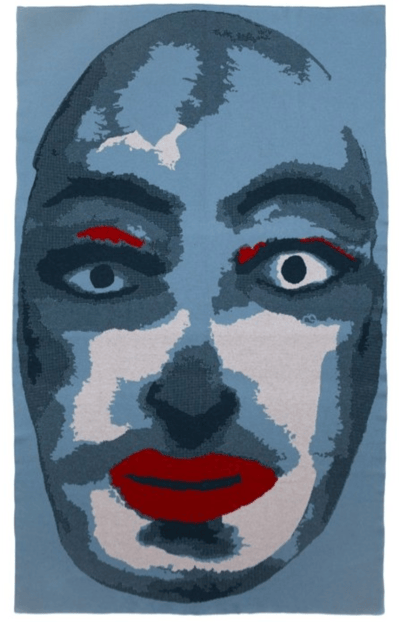
Nicolas Party
Untitled (Artist's Blanket), 2017
Tapestry
Tapestry
USD 2,500
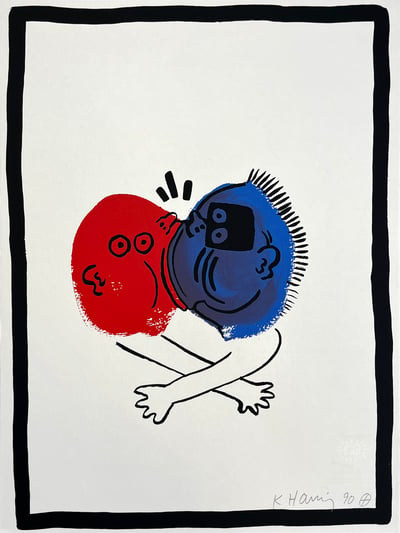
Keith Haring
Story of Red and Blue #19, 1989
Limited Edition Print
Lithograph
USD 6,150
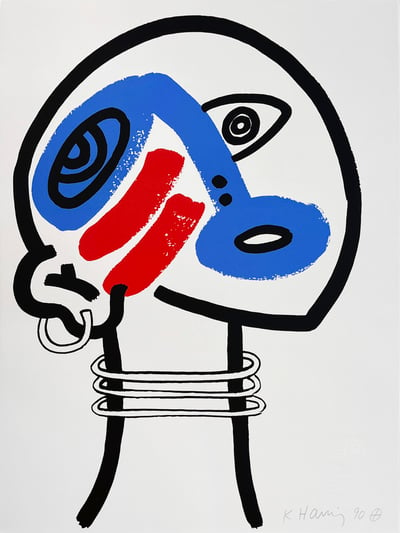
Keith Haring
Story of Red and Blue #17, 1989
Limited Edition Print
Lithograph
USD 5,500
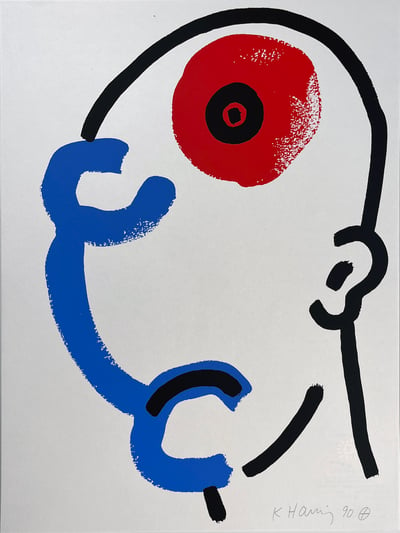
Keith Haring
Story of Red and Blue #13, 1989
Limited Edition Print
Lithograph
USD 4,950
KAWS
Private Listing
Limited Edition Print
KAWS
Private Listing
Limited Edition Print
Keith Haring
Private Listing
Painting
Keith Haring
Private Listing
Drawing / Watercolor
Related Articles



Wood is one of the most ancient and versatile materials used in creating art. It has served as a base for paintings, brush handles, pens, and pencils, as well as for easels, wood engraving, woodcut, woodblock printing, and sculpting. Various types of wood, such as oak, maple, and pine, are commonly used in these artistic applications.
New British Sculpture is the name referring to the work produced by a group of sculptors, installation artists, and other creators who exhibited together in London during the 1980s. This group included artists like Richard Deacon, Richard Wentworth, and Tony Cragg. Tim Woods helped define this movement by identifying four major themes: the blending of kitsch and pop culture, the use of UK urban waste in a bricolage style, the assignment of new meanings to everyday objects, and a playful approach using wit and humor.

Postmodernism is an art movement that emerged as a reaction against authority and traditional boundaries, seeking to blur the lines between art and everyday life. It aimed to bridge the gap between the cultural elite and the general public by embracing eclectic mixtures of earlier conventions and styles. Postmodernist art often challenges established norms and celebrates diversity, irony, and pastiche, making it a movement that reflects the complexities of contemporary culture.
Can't find your Answer?
Thank you! Your question has been sent — we'll get back to you shortly.
