What is mail art?
Mail Art is a populist art movement centered on the creation and exchange of small-scale artworks through the postal service. It developed out of the Fluxus movement in the 1950s and 1960s and has since evolved into a global art movement. Ray Johnson is recognized as the first mail artist, and his New York School is considered the first network of mail artists. Mail artists rely heavily on a network to exchange their works, often creating a community of artists connected through the postal system.
Show All
- Show All
- Established
- Discoveries
Show All
ARTWORKS RELATED TO MAIL ART

Alighiero Boetti
Non parto non resto (Nove quadrati), 1979
Drawing / Watercolor
Watercolor
Inquire For Price

Alighiero Boetti
Ammazzare il tempo, 1983
Limited Edition Print
Serigraph
Currently Not Available

Joseph Beuys
Beuys for Lothar, 1973
Photography
Photograph
EUR 5,500

Alighiero Boetti
Da uno a dieci, 1980
Limited Edition Print
Offset Print
Currently Not Available

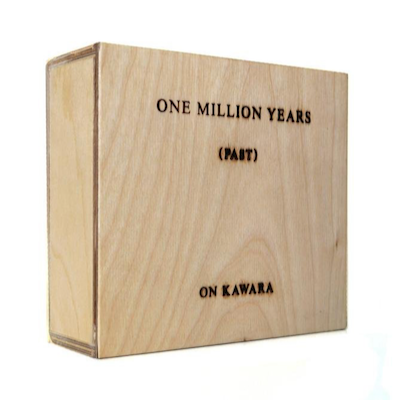
On Kawara
One Million Years (Past) and (Future), 2004
Limited Edition Print
Multimedia
Currently Not Available

Joseph Beuys
Wirtschaftspaket, 1984
Sculpture / Object
Mixed Media
EUR 16,600

Adrian Piper
Mokshamudra Progression (9 prints), 2012
Limited Edition Print
Digital Print on paper
EUR 27,000
Related Articles

Popular, Collecting - May 06, 2025
Spotting Fakes: How to Identify Forged Artworks
Uncover how art forgeries fool even experts. Learn key signs, common scams, and how to protect yourself in the high-stakes world of art collecting. Read More


Engraving is a printmaking technique where a metal plate or surface is directly cut using a sharp engraving tool called a burin. The tool creates deep lines or grooves, which are then filled with ink. The plate is pressed onto paper with heavy pressure, transferring the inked image. This process results in a clear and precise print.
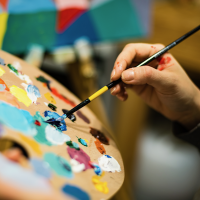
Acrylic paint is a fast-drying paint made from pigment suspended in an acrylic polymer emulsion. It is water-soluble when wet but becomes water-resistant once dry. Acrylic paints offer unique characteristics that are not easily achieved with other media, allowing for effects similar to both oil and watercolor paintings while providing their own distinct qualities.