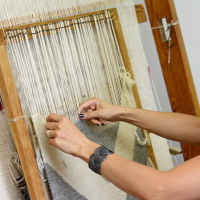
What is a monoprint?
Monoprinting is a printmaking technique where a single impression is created from a re-printable surface, such as a lithographic stone, wood block, or metal plate. Unlike traditional printmaking, where multiple copies are produced, monoprinting results in a unique image. Techniques used in monoprinting include etching, lithography, and woodcut, but the key characteristic is that each print is one-of-a-kind.
Show All
- Show All
- Established
- Discoveries
Show All
ARTWORKS RELATED TO MONOPRINT

Paul Jenkins
Four winds (I), 1980
Limited Edition Print
Monoprint
USD 4,200

Mel Bochner
Private Listing
Limited Edition Print
Monoprint
Request Info

Panamarenko
Scotch Gambit at Rijnkaai, Antwerpen, 2001
Limited Edition Print
Monoprint
Inquire For Price
Mel Bochner
Private Listing
Limited Edition Print
Monoprint
Request Info
Mel Bochner
Private Listing
Limited Edition Print
Monoprint
Request Info
Mel Bochner
Private Listing
Limited Edition Print
Monoprint
Request Info
Mel Bochner
Private Listing
Limited Edition Print
Monoprint
Request Info

Mr. Brainwash
Madonna, 2011
Limited Edition Print
Monoprint
Inquire For Price

Jessica Stockholder
d c tree, 2011
Limited Edition Print
Monoprint
USD 4,260

Jessica Stockholder
i a tree, 2011
Limited Edition Print
Monoprint
USD 4,260

Laura Owens
Untitled (Pink Grid and Droplets), 2018
Limited Edition Print
Monoprint
USD 17,750

Ryan McGinness
Stability-Monoprint,, 2012
Limited Edition Print
Monoprint
USD 8,500
Related Articles

Collecting - May 01, 2022
Collecting prints and multiples: a brief introduction on how to start
Learn how to start collecting prints and multiples. Discover tips on editions, artist proofs, and choosing prints that combine value, creativity, and affordability. Read More

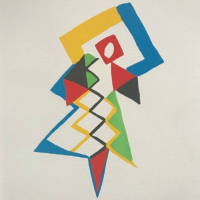
Orphism is an abstract style of painting influenced by Cubism, developed by Sonia and Robert Delaunay. The term was coined around 1912 by French poet Guillaume Apollinaire to differentiate the Delaunays' work from Cubism, emphasizing their focus on vibrant color and light. The name Orphism is inspired by the Greek musician Orpheus, symbolizing the movement's lyrical and harmonious qualities.

New British Sculpture is the name referring to the work produced by a group of sculptors, installation artists, and other creators who exhibited together in London during the 1980s. This group included artists like Richard Deacon, Richard Wentworth, and Tony Cragg. Tim Woods helped define this movement by identifying four major themes: the blending of kitsch and pop culture, the use of UK urban waste in a bricolage style, the assignment of new meanings to everyday objects, and a playful approach using wit and humor.