What is a Relief printing?
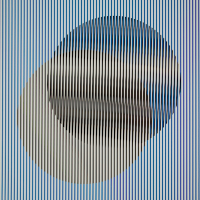
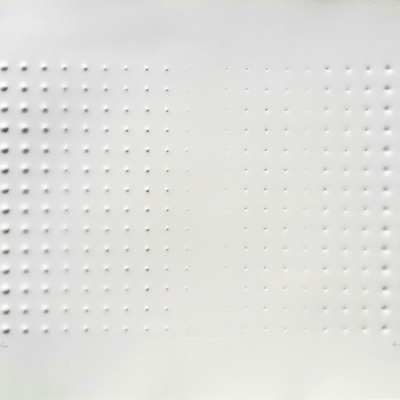
Relief printing is a printmaking process where the design to be printed is etched or cut into a surface, leaving only the raised areas to transfer ink. The non-printing areas are removed, so only the design is inked and printed. Common relief printing techniques include woodcut, linocut, and wood engraving.
- Show All
- Established
- Discoveries
ARTWORKS RELATED TO RELIEF PRINTING
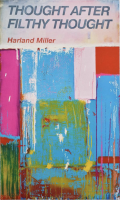
Harland Miller
Thought After Filthy Thought, 2019
Limited Edition Print
Relief printing
USD 40,000 - 50,000
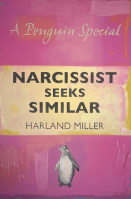
Harland Miller
Narcissist Seeks Similar, 2021
Limited Edition Print
Relief printing
USD 30,000 - 40,000
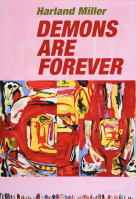
Harland Miller
Demons Are Forever, 2024
Limited Edition Print
Relief printing
Inquire For Price
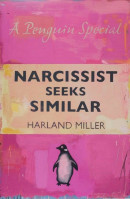
Harland Miller
Narcissist Seeks Similar (Large), 2021
Limited Edition Print
Relief printing
GBP 50,000 - 55,000
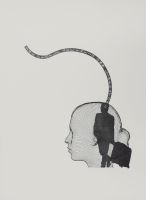
Jaume Plensa
The people are their own liberators, 2022
Limited Edition Print
Relief printing
Inquire For Price
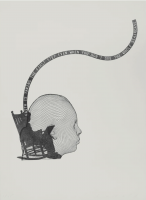
Jaume Plensa
Faith is taking the first step even when you don’t see the whole staircase, 2022
Limited Edition Print
Relief printing
Inquire For Price

Weiwei Ai
Private Listing
Limited Edition Print
Relief printing
Request Info

Robert Longo
Black Flag, 1999
Limited Edition Print
Relief printing
EUR 8,000 - 15,000

Julie Mehretu
Sapphic Strophe 2 (from Sapphic Strophes: A Suite of Four Prints), 2011
Limited Edition Print
Relief printing
Currently Not Available

Jaume Plensa
Be the change you want to see in the world, 2022
Limited Edition Print
Relief printing
Inquire For Price

Ed Ruscha
Ghost Station, 2011
Limited Edition Print
Relief printing
Currently Not Available

Jaume Plensa
Mod. 1/Mod. 2, 2023
Limited Edition Print
Relief printing
EUR 12,000

Julian Opie
Street 1, 2020
Limited Edition Print
Relief printing
USD 21,000

Julian Opie
Street 3, 2020
Limited Edition Print
Relief printing
USD 21,000

Julian Opie
Street 4, 2020
Limited Edition Print
Relief printing
USD 21,000

Julian Opie
Street 5, 2020
Limited Edition Print
Relief printing
USD 21,000
Related Articles

Collecting - May 01, 2022
Collecting prints and multiples: a brief introduction on how to start
Learn how to start collecting prints and multiples. Discover tips on editions, artist proofs, and choosing prints that combine value, creativity, and affordability. Read More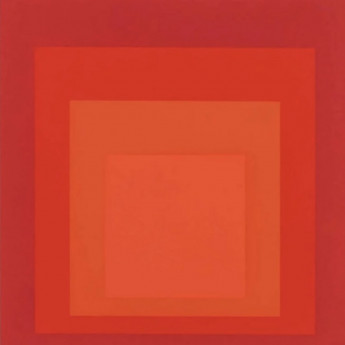

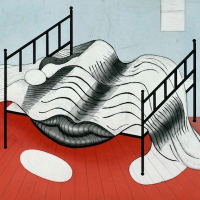
Postmodernism is an art movement that emerged as a reaction against authority and traditional boundaries, seeking to blur the lines between art and everyday life. It aimed to bridge the gap between the cultural elite and the general public by embracing eclectic mixtures of earlier conventions and styles. Postmodernist art often challenges established norms and celebrates diversity, irony, and pastiche, making it a movement that reflects the complexities of contemporary culture.
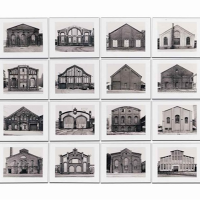
New Topographics is a term coined in 1975 by curator William Jenkins to describe a group of photographers whose work focused on formal black-and-white images of urban and industrial landscapes. Jenkins initially described their aesthetic as banal, but the photographers themselves argued that their compositions were as significant as those of natural landscapes, emphasizing the beauty in everyday, man-made environments.