What is Glass?
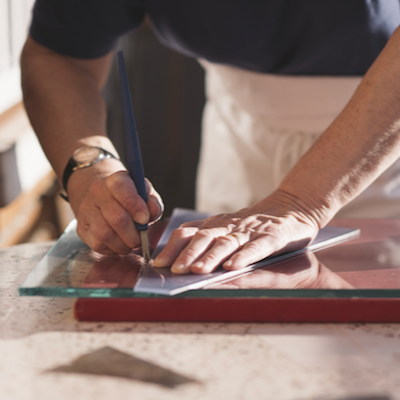
Glass is a transparent solid that varies in composition depending on the type. Artists use different types of glass to create art forms such as stained glass, blown glass, and various decorated pieces. Glass can be cut, textured, overlaid, engraved, and shaped in many ways to produce intricate and beautiful works of art.
Show All
- Show All
- Established
- Discoveries
Show All
ARTWORKS RELATED TO GLASS

Javier Calleja
Heads ver.2, 2022
Sculpture / Object
Glass
GBP 3,500
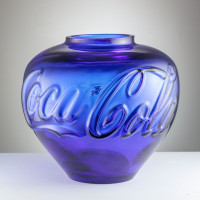
Weiwei Ai
Vase (Blue), 2024
Sculpture / Object
Glass
EUR 4,500
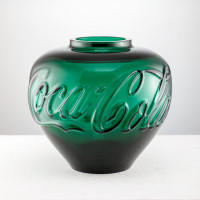
Weiwei Ai
Vase (Green), 2024
Sculpture / Object
Glass
EUR 4,500
Weiwei Ai
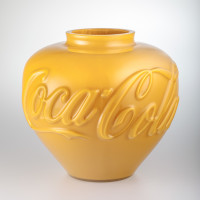
Vase (Mustard), 2024
Sculpture / Object
Glass
EUR 4,500
Weiwei Ai
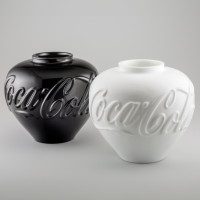
Vases in Black and White (Set of 2), 2024
Sculpture / Object
Glass
EUR 9,000
Weiwei Ai
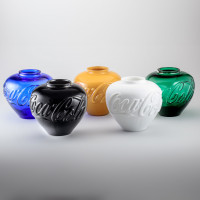
Vases in Five Colours (Set of 5), 2024
Sculpture / Object
Glass
EUR 17,000 - 22,000

Weiwei Ai
Study of Perspective in Glass (set of 6), 2020
Sculpture / Object
Glass
EUR 60,000

Gunther Uecker
Jahresteller, 1975
Sculpture / Object
Glass
EUR 1,620

Weiwei Ai
Glass Vase, 2023
Sculpture / Object
Glass
GBP 5,000 - 7,000

Rafael Jesus Soto
Mirroire, 2005
Sculpture / Object
Glass
EUR 10,000
Related Articles

Popular, Collecting - February 21, 2025
Sculpture 101: From Clay to Bronze – How Sculptures Are Made
Discover the art of sculpture! Explore traditional techniques like carving and bronze casting, plus modern innovations like 3D printing. A journey in creativity! Read More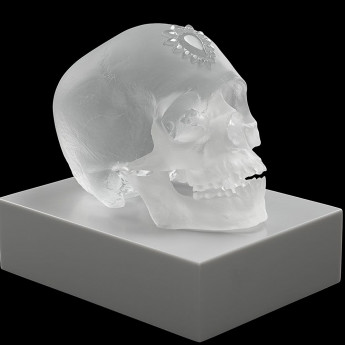
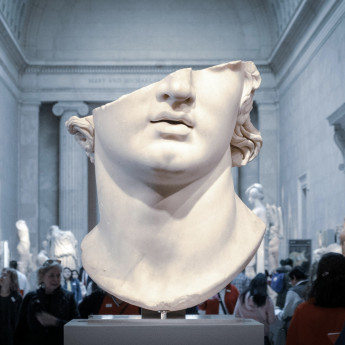
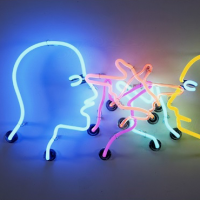
Process Art is an artistic movement and creative approach where the focus is on the act of creation rather than the final product. The term process in this context refers to the various stages of art-making, including gathering, sorting, associating, and organizing materials and actions. This movement emphasizes the artistic journey and the human expression involved in creating art, rather than the finished piece itself. Process Art is driven by inherent motivation, intentionality, and the rationale behind the actions, viewing the creative process as the true artwork.

Feminist art refers to the art that emerged from the feminist art movement during the 1960s and 1970s. It developed with the intention of critiquing 20th-century gender ideals and challenging the traditional canon of art history. Feminist art seeks to create a dialogue between the artwork and the viewer through a feminist lens, often addressing issues of gender, identity, and social justic