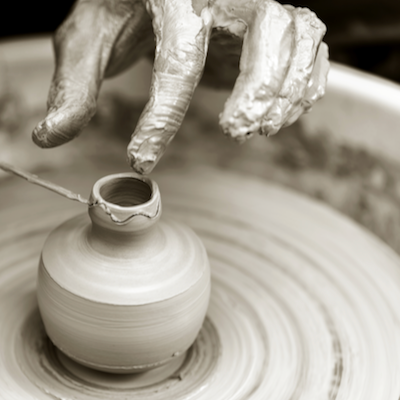
What is Ceramic?
Ceramic is a term used to describe objects made from clay or other inorganic materials. These objects can be either decorative or functional and have been created since at least 4,000 B.C. Ceramic art involves making, decorating, and firing these objects in a kiln, a special high-temperature oven.
Show All
- Show All
- Established
- Discoveries
Show All
ARTWORKS RELATED TO CERAMIC

Pablo Picasso
Taureau sous l'arbre (Bull under the Tree), 1952
Ceramics
Ceramic
EUR 4,800

Javier Calleja
Pop Top Planter and Flower Vase, 2021
Sculpture / Object
Ceramic
Inquire For Price

Pablo Picasso
Visage de Face, 1960
Ceramics
Ceramic
Inquire For Price

Grayson Perry
Unique Ceramic Thing, 2025
Sculpture / Object
Ceramic
GBP 9,000
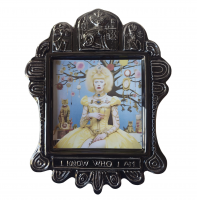
Grayson Perry
Totally Unique Thing, 2025
Sculpture / Object
Ceramic
GBP 9,000

KAWS
Holiday UK (set of two), 2011
Sculpture / Object
Ceramic
EUR 2,500
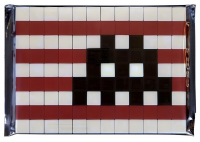
Invader
Invasion Tile Kit #18 L.A, 2018
Ceramics
Ceramic
Inquire For Price
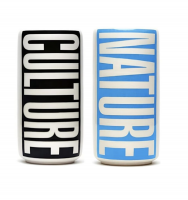
Barbara Kruger
Untitled (Vase), 2020
Sculpture / Object
Ceramic
GBP 1,800

Pablo Picasso
Sujet poule (A.R. 250), 1954
Ceramics
Ceramic
EUR 9,600

David Shrigley
Stink, 2023
Sculpture / Object
Ceramic
EUR 2,750

David Shrigley
I Cannot Change My Spots but I Have No Desire to Change My Spots, 2022
Sculpture / Object
Ceramic
EUR 2,850

Pablo Picasso
Cruchon Hibou, 1955
Sculpture / Object
Ceramic
EUR 19,000 - 22,000

Grayson Perry
Forest Spirit Alan Planter, 2022
Sculpture / Object
Ceramic
GBP 2,350

Sandro Chia
Figure con albero, 1994
Sculpture / Object
Ceramic
EUR 7,300

Mimmo Paladino
Senza titolo, 2003
Sculpture / Object
Ceramic
EUR 8,300

Pablo Picasso
Face With Circles R140, 1969
Ceramics
Ceramic
USD 15,500
Related Articles

Popular, Collecting - February 21, 2025
Sculpture 101: From Clay to Bronze – How Sculptures Are Made
Discover the art of sculpture! Explore traditional techniques like carving and bronze casting, plus modern innovations like 3D printing. A journey in creativity! Read More
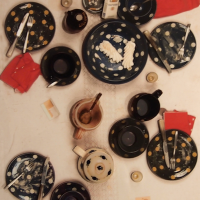
Nouveau Réalisme is an artistic movement founded in 1960 by art critic Pierre Restany and painter Yves Klein during a collective exhibition at a gallery in Milan. Restany wrote the original manifesto in April 1960, proclaiming the movement. In October of that year, nine artists, including Martial Raysse, Yves Klein, Daniel Spoerri, Jean Tinguely, Arman, Pierre Restany, and three Ultra-Lettrists—Jacques de la Villeglé, François Dufrêne, and Raymond Hains—signed the declaration. In 1961, the movement expanded to include Mimmo Rotella, Niki de Saint Phalle, Gérard Deschamps, and César. The movement emphasized a return to reality in art, often incorporating everyday objects and exploring the boundaries between art and life.
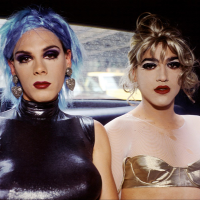
Queer Aesthetics refers to an art movement that emerged in the 1980s, focusing on themes of homosexuality, lesbianism, and broader issues of identity and gender. This movement gained momentum in the context of the AIDS crisis and the feminist movement, challenging traditional representations of sexuality and gender. Queer Aesthetics often explores the fluidity of gender and identity, as seen in the works of artists like Nan Goldin, who is known for her photography of individuals with ambiguous or non-conforming gender presentations.