What is Bay Area Figurative Art ?
The Bay Area Figurative Movement, which also goes by the names Bay Area Figurative School, Bay Area Figurative Art, or Bay Area Figuration, came to existence in San-Francisco Bay Area. This was in the mid-20th century, when a group of artists from the area stopped working on the then popular Abstract Expressionism for a preference to figuration in painting. The movement lasted a total of two decades during the 1950's and 1960's.
Show All
- Show All
- Established
- Discoveries
Show All
ARTWORKS RELATED TO BAY AREA FIGURATIVE ART

Thiebaud Wayne
Three Cows, 1991
Limited Edition Print
Drypoint
USD 11,300

Thiebaud Wayne
Dark Hill River, 2002
Limited Edition Print
Mixed Media
USD 10,000 - 25,000

Thiebaud Wayne
Country City, 1988
Limited Edition Print
Mixed Media
Inquire For Price

Richard Diebenkorn
Folsom Street Variations II (Grey), 1986
Limited Edition Print
Mixed Media
USD 10,800

Richard Diebenkorn
Seated Woman in Arm Chair, 1965
Limited Edition Print
Lithograph
Currently Not Available

Richard Diebenkorn
Green Tree Spade, 1982
Limited Edition Print
Mixed Media
Currently Not Available

Richard Diebenkorn
Spade Drypoint, 1982
Limited Edition Print
Drypoint
Inquire For Price

Richard Diebenkorn
Sugarlift Spade, 1982
Limited Edition Print
Aquatint
Inquire For Price

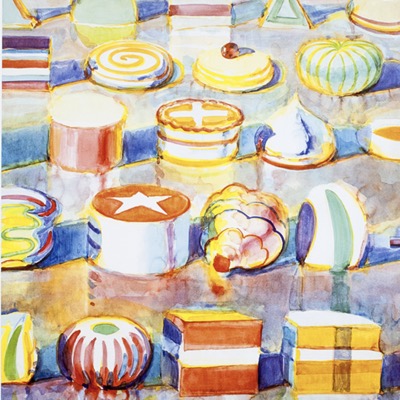
Thiebaud Wayne
Cut Cakes, 2015
Limited Edition Print
Mixed Media
USD 14,250

Richard Diebenkorn
Touched Red, 1991
Limited Edition Print
Mixed Media
Inquire For Price

Thiebaud Wayne
Crown Tart, 2015
Limited Edition Print
Mixed Media
USD 11,900

Richard Diebenkorn
Seated woman, 1965
Limited Edition Print
Lithograph
USD 3,250

Thiebaud Wayne
Trout Fishing in America, 1994
Limited Edition Print
Lithograph
USD 5,500

Richard Diebenkorn
Double Map of Ireland, 1990
Limited Edition Print
Etching
USD 2,990

Richard Diebenkorn
Coat IV, 1990
Limited Edition Print
Etching
USD 2,650

Richard Diebenkorn
Untitled (for Harvey Gantt), 1990
Limited Edition Print
Lithograph
USD 3,400
Related Articles

Collecting - April 05, 2024
The Collector's Palette: The Importance of Diversity in Art Investment
Learn why diversity matters in art investment! Discover how building a varied collection enhances value, reduces risk, and uncovers emerging talent. Read More
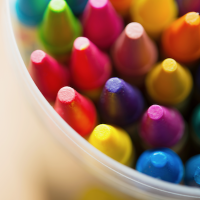
Crayon is a French word that means pencil. In art, a crayon is a stick made of colored wax, chalk, charcoal, or clay used for drawing and coloring. Crayons are typically made from paraffin wax, which is derived from petroleum, coal, or wood. Types of crayons include wax crayons, pastel crayons, and oil pastels.
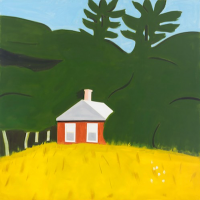
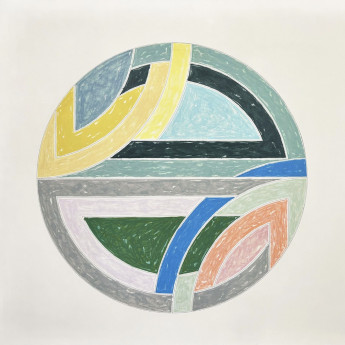
A pigment print is a type of print that uses ink colored with pigment particles. Pigment ink is commonly used in inkjet printing because it is more durable and resistant to fading compared to dye-based ink, which is more vibrant but less stable over time.