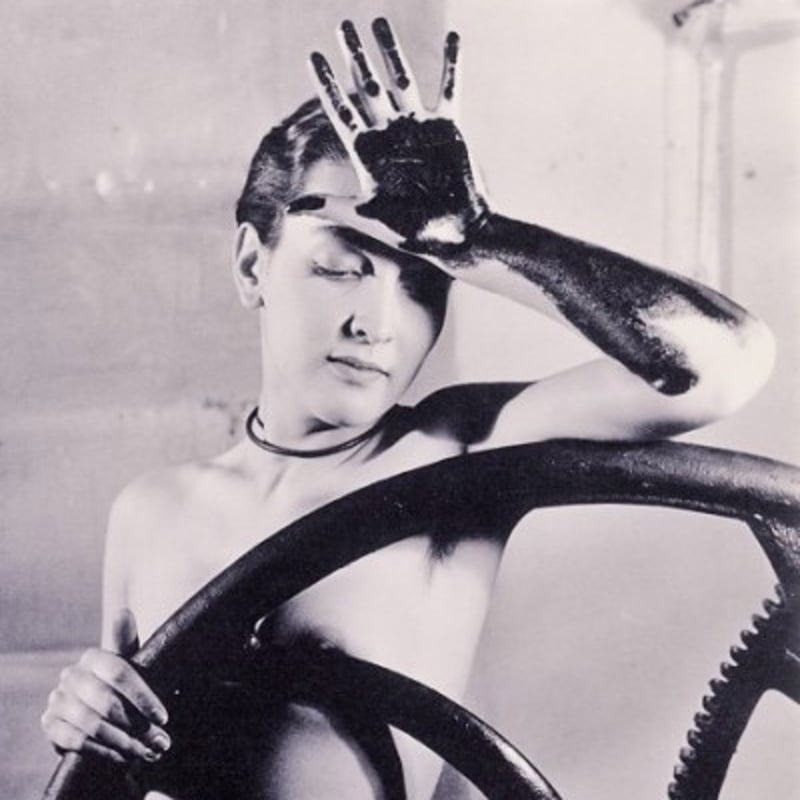
What is avant-garde?
- Show All
- Established
- Discoveries
- Show All
Artworks Related to Avant-garde
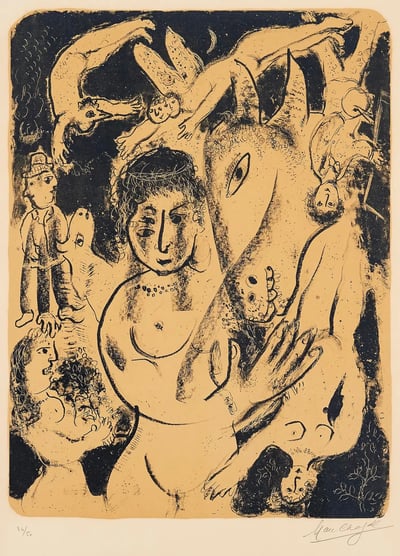
Marc Chagall
A Midsummer Night''s dream, 1974
Limited Edition Print
Lithograph
EUR 19,500
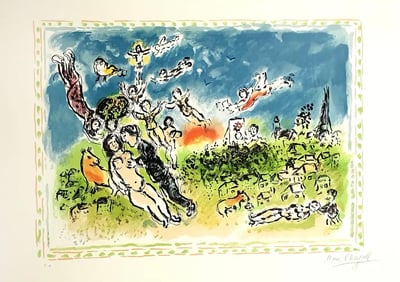
Marc Chagall
Summer's Dream, 1983
Limited Edition Print
Lithograph
EUR 25,000 - 30,000
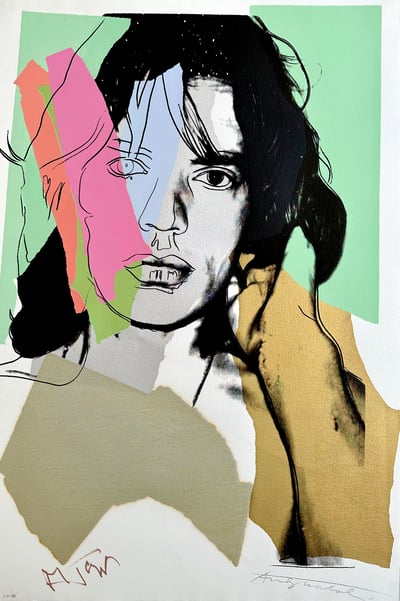
Andy Warhol
Mick Jagger #140, 1975
Limited Edition Print
Screen-print
Currently Not Available

Andy Warhol
Electric Chair (Retrospective Series), 1978
Limited Edition Print
Screen-print
USD 45,000 - 55,000
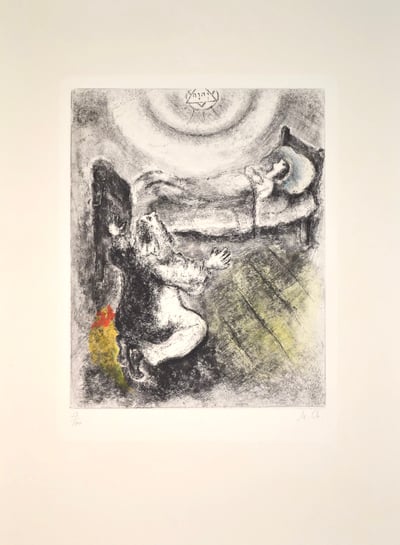
Marc Chagall
The infant being revived by Elijah - MCH84, 1958
Limited Edition Print
Etching
USD 8,600
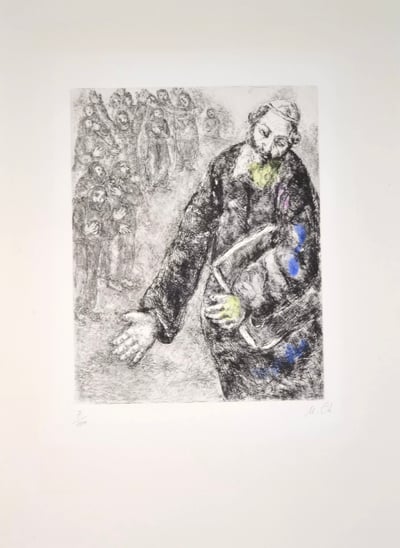
Marc Chagall
Joshua reading The Word Of The Law - MCH47, 1958
Limited Edition Print
Etching
USD 8,600
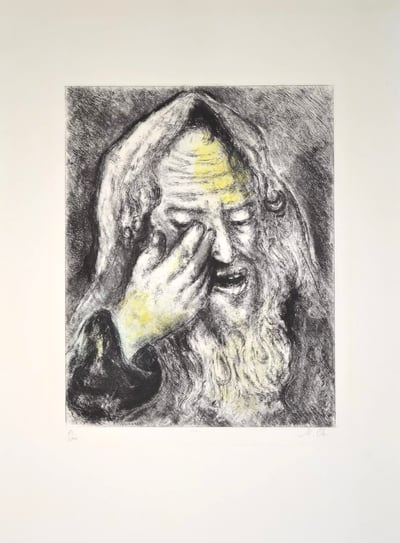
Marc Chagall
The suffering of Jeremiah - MCH103, 1958
Limited Edition Print
Etching
USD 8,600
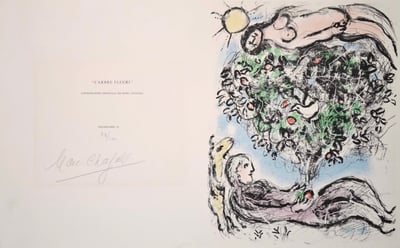
Marc Chagall
L’Abre Fleuri - M915, 1977
Limited Edition Print
Lithograph
USD 11,900
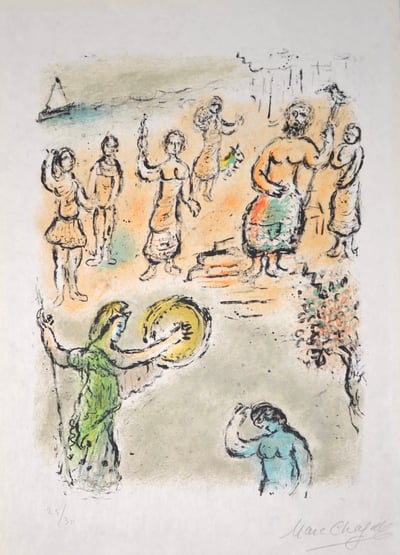
Marc Chagall
Odyssey - M754, 1974
Limited Edition Print
Lithograph
USD 14,250
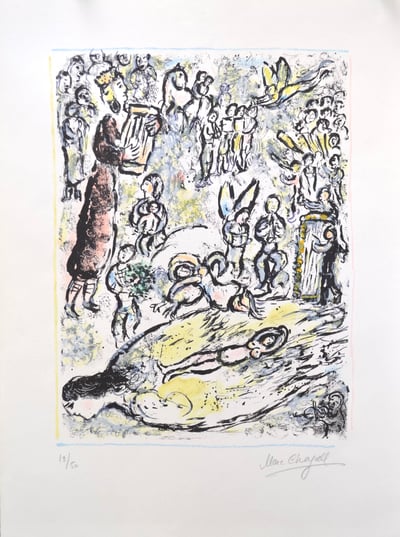
Marc Chagall
Enchanted Flute - M665, 1972
Limited Edition Print
Lithograph
USD 14,500
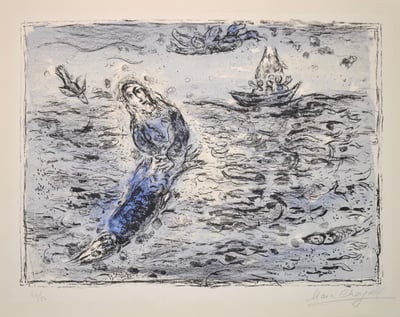
Marc Chagall
Jonah Against A Blue Background - M661, 1972
Limited Edition Print
Lithograph
USD 14,250
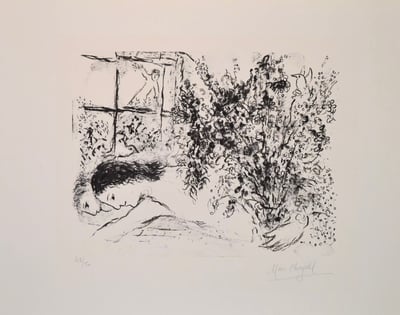
Marc Chagall
By the window - M624, 1971
Limited Edition Print
Lithograph
USD 13,200
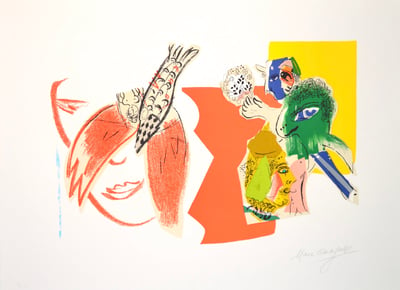
Marc Chagall
20th Century Stage 2 - M470, 1966
Limited Edition Print
Lithograph
USD 14,250
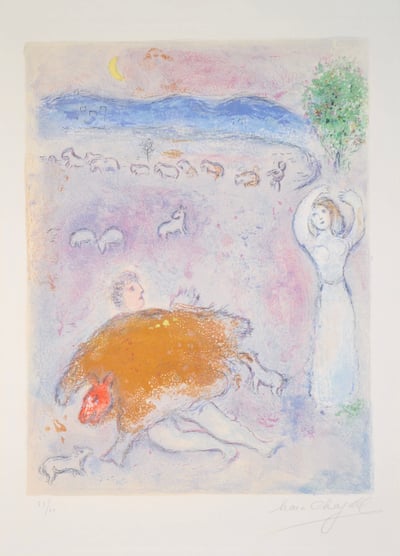
Marc Chagall
D.C Daphne And Chloe - M317, 1961
Limited Edition Print
Lithograph
USD 21,300
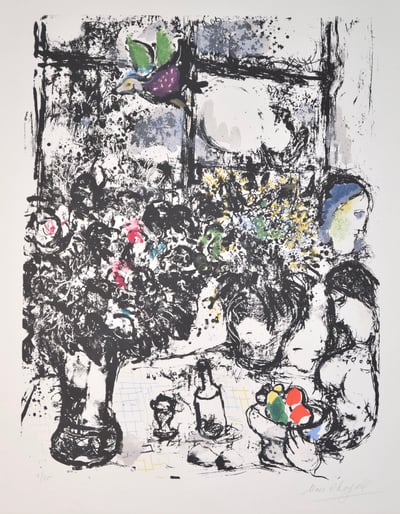
Marc Chagall
Nature Morte En Bouquet - M299, 1960
Limited Edition Print
Lithograph
USD 14,700
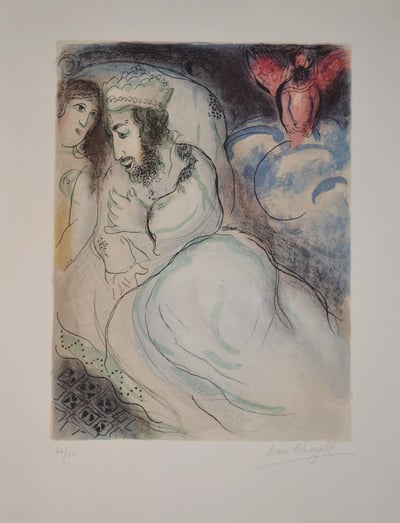
Marc Chagall
Sarah And Abimelech - M239, 1960
Limited Edition Print
Lithograph
USD 9,500
Related Articles
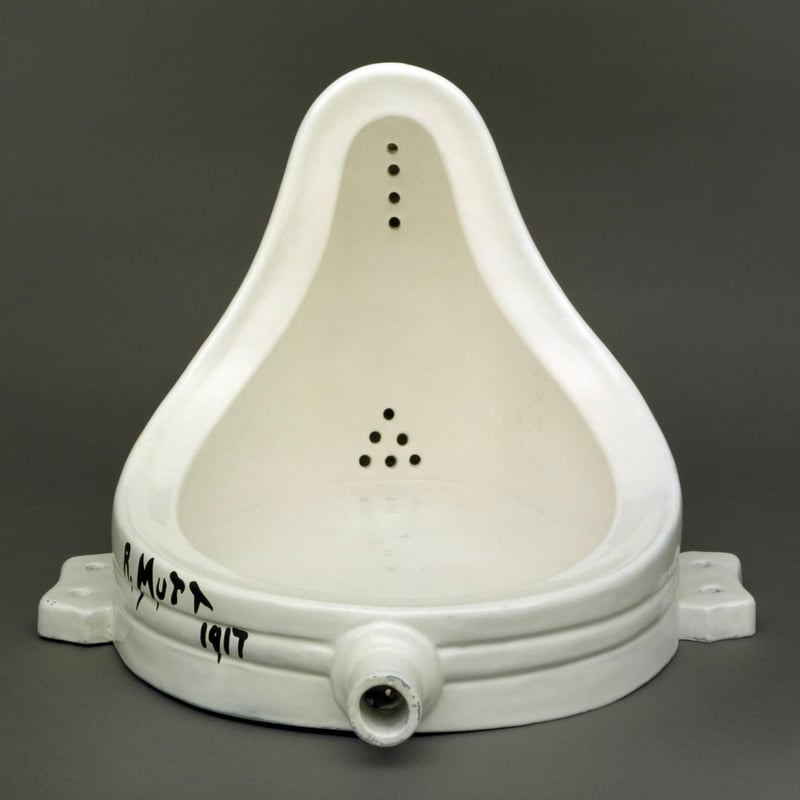

Readymade is the term coined by French artist Marcel Duchamp to describe artworks created from manufactured objects. Duchamp selected ordinary, functional items that he felt had visual indifference, turning them into art simply by choosing and presenting them in a new context. This concept challenged traditional notions of art and continues to influence artists who adopt similar approaches today.

Activist Art is a form of art created to address social and political issues. It often involves public engagement and works closely with communities to raise awareness or inspire change. While it can include elements of performance art, it is not limited to this form. Examples include creating and distributing social protest posters or organizing community-based art projects that highlight specific causes.

Tansaekhwa, also known as monochrome painting, is a movement in Korean art that began in the mid-1970s. These artworks are characterized by the manipulation of painting materials, such as pushing paint, soaking the canvas, ripping paper, or other techniques that alter the medium. Tansaekhwa emphasizes texture, materiality, and the physical process of creating the artwork.
Can't find your Answer?
Thank you! Your question has been sent — we'll get back to you shortly.
