What is Arte Povera?
- Show All
- Established
- Discoveries
- Show All
Artworks Related to Arte Povera
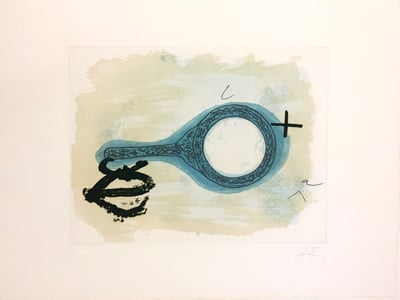
Antoni Tapies
Aparicions-1 , 1982
Limited Edition Print
Etching
EUR 3,300
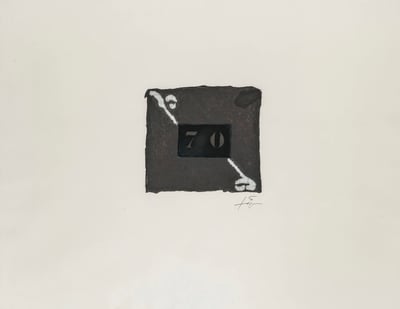
Antoni Tapies
70, 1973
Limited Edition Print
Mixed Media
EUR 3,300

Antoni Tapies
Lletres i gris , 1976
Limited Edition Print
Etching
EUR 4,000
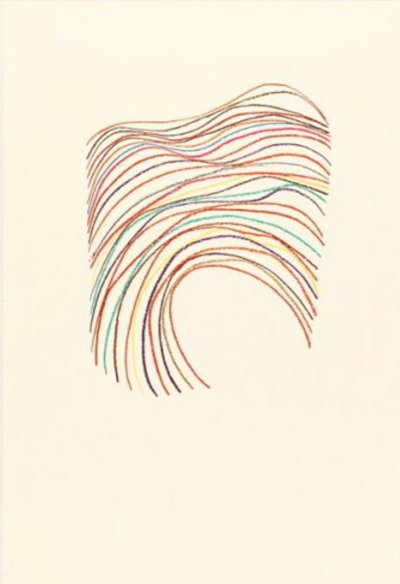
León Ferrari
Mod. 13, 2009
Limited Edition Print
Lithograph
EUR 1,000
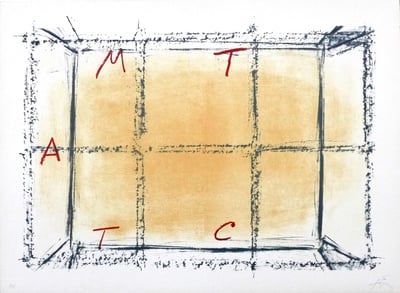
Antoni Tapies
Llambrec-18 , 1975
Limited Edition Print
Lithograph
EUR 1,800
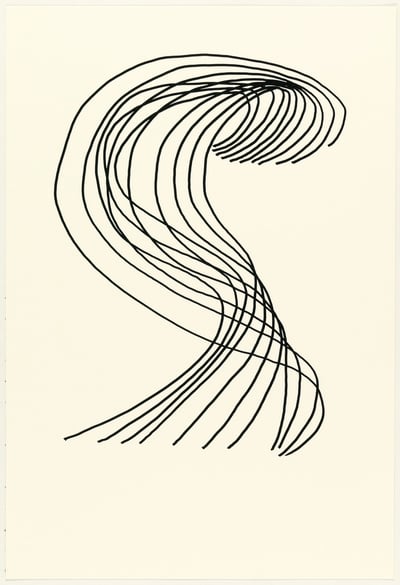
León Ferrari
Mod. 4, 2009
Limited Edition Print
Lithograph
EUR 1,000
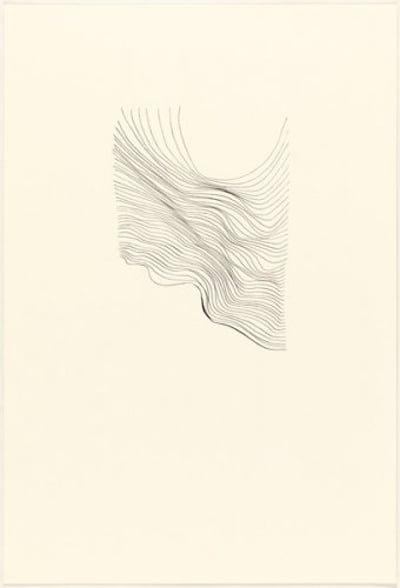
León Ferrari
Mod. 3, 2009
Limited Edition Print
Lithograph
EUR 1,000
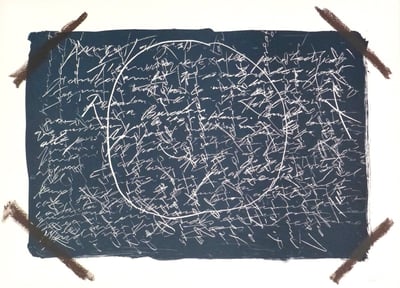
Antoni Tapies
Llambrec-16 , 1975
Limited Edition Print
Lithograph
EUR 2,000
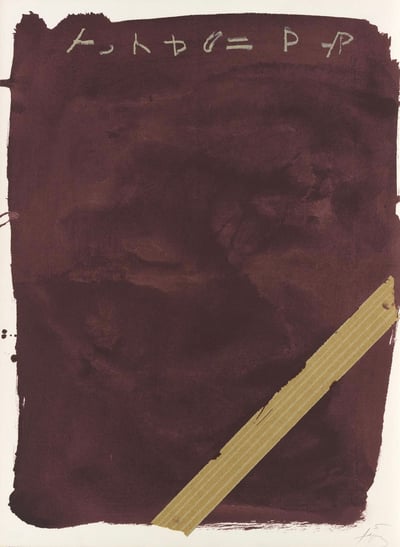
Antoni Tapies
Llambrec-13 , 1975
Limited Edition Print
Lithograph
EUR 2,000
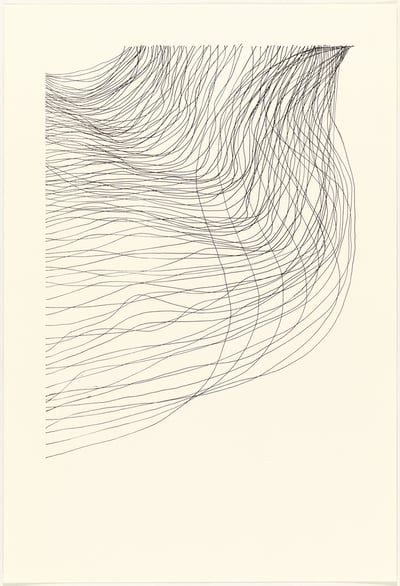
León Ferrari
Mod. 2, 2009
Limited Edition Print
Lithograph
EUR 1,000
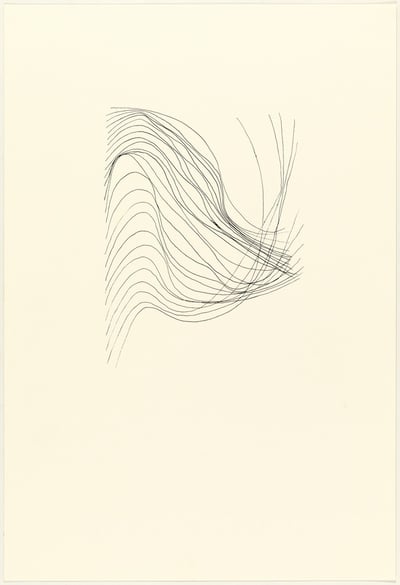
León Ferrari
Mod. 1, 2009
Limited Edition Print
Lithograph
EUR 1,000
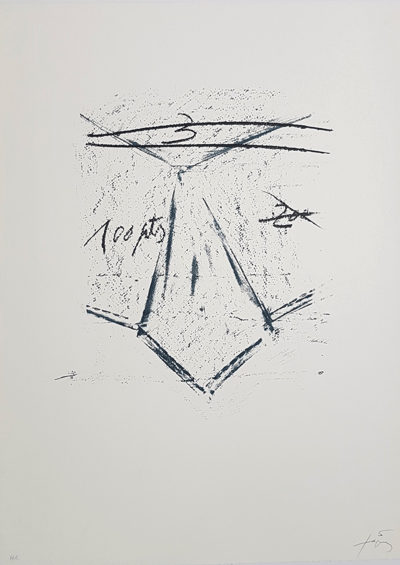
Antoni Tapies
Llambrec-12 , 1975
Limited Edition Print
Lithograph
EUR 1,500
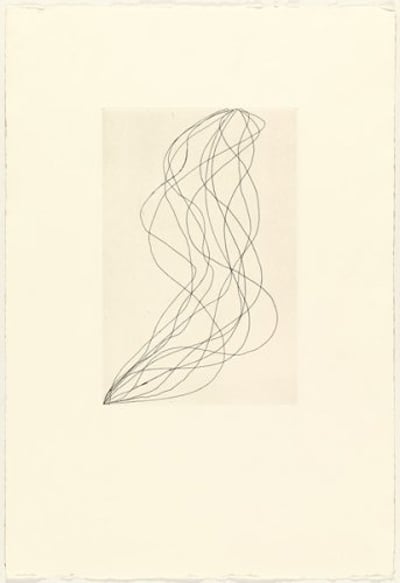
León Ferrari
Mod. 2, 2009
Limited Edition Print
Etching
EUR 1,000
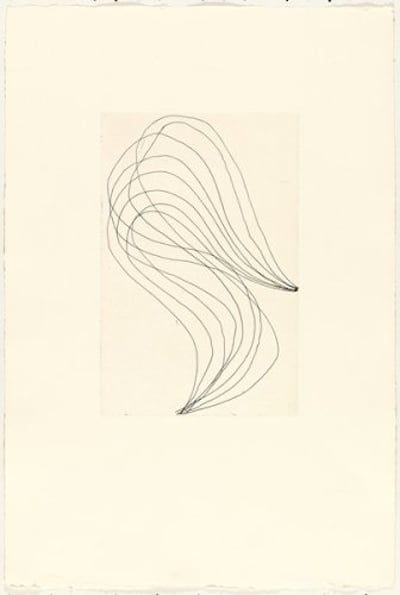
León Ferrari
Mod. 1, 2009
Limited Edition Print
Etching
EUR 1,000
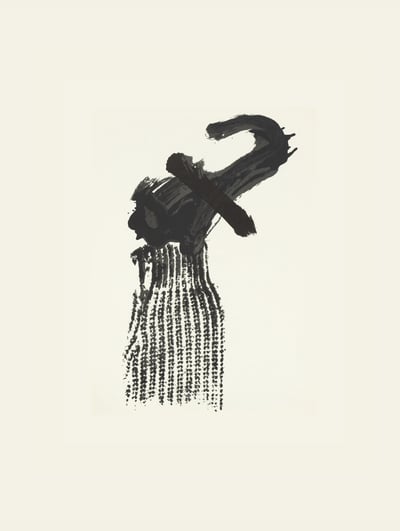
Antoni Tapies
Llambrec-10 , 1975
Limited Edition Print
Lithograph
EUR 1,500
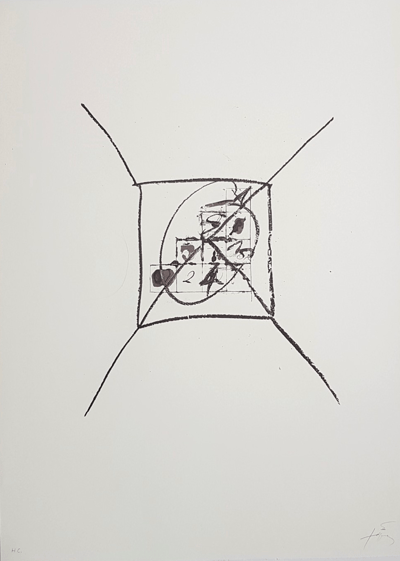
Antoni Tapies
Llambrec-9 , 1975
Limited Edition Print
Lithograph
EUR 1,200
Related Articles

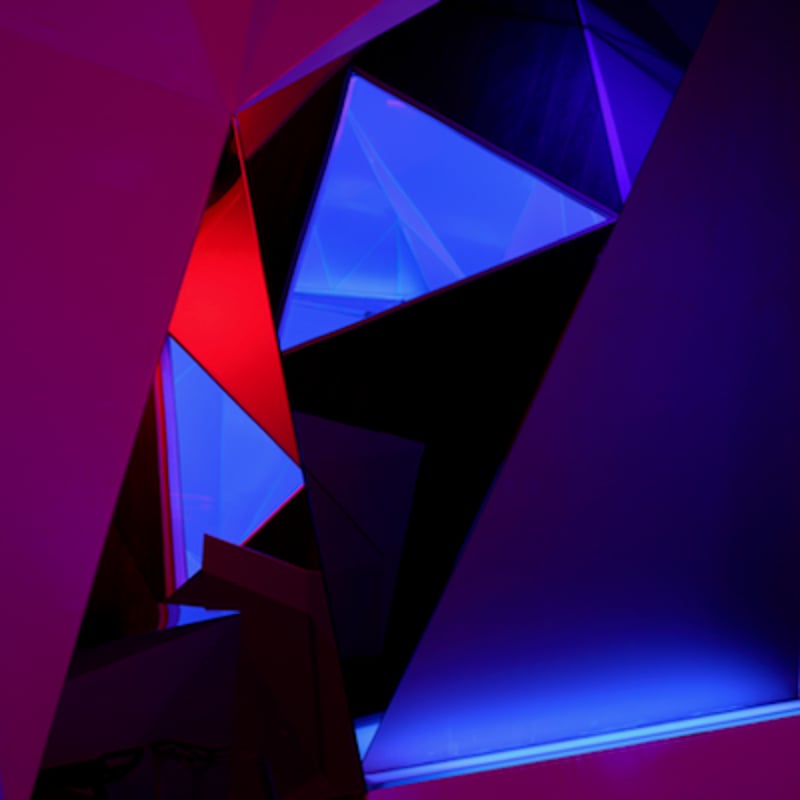
Light art refers to artworks that use light as the primary medium. These can include sculptures or installations that interact with the natural or urban environment. Light art can be suspended, in relief, ground-based, permanent, or temporary. There are two main types of light art: one displayed indoors in galleries and another exhibited outdoors. Light art has been used throughout human history, from ancient times to contemporary public installations.
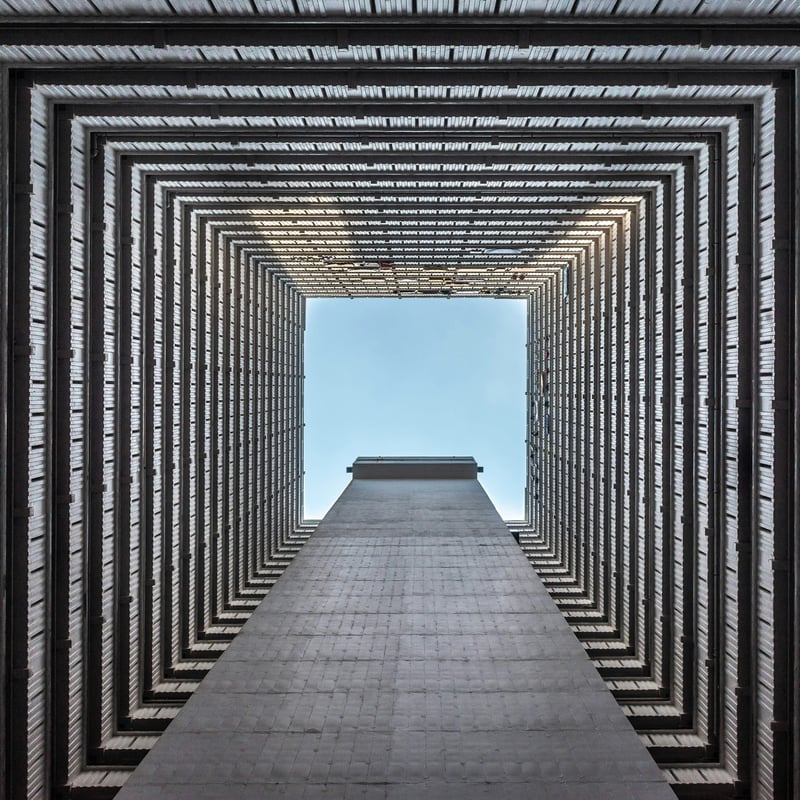
Perspective refers to the techniques artists use to represent three-dimensional objects on a two-dimensional surface. These techniques create the illusion of depth and space, making objects appear as they do in the real world, despite the limitations of a flat surface. Common types of perspective include linear and atmospheric perspective.
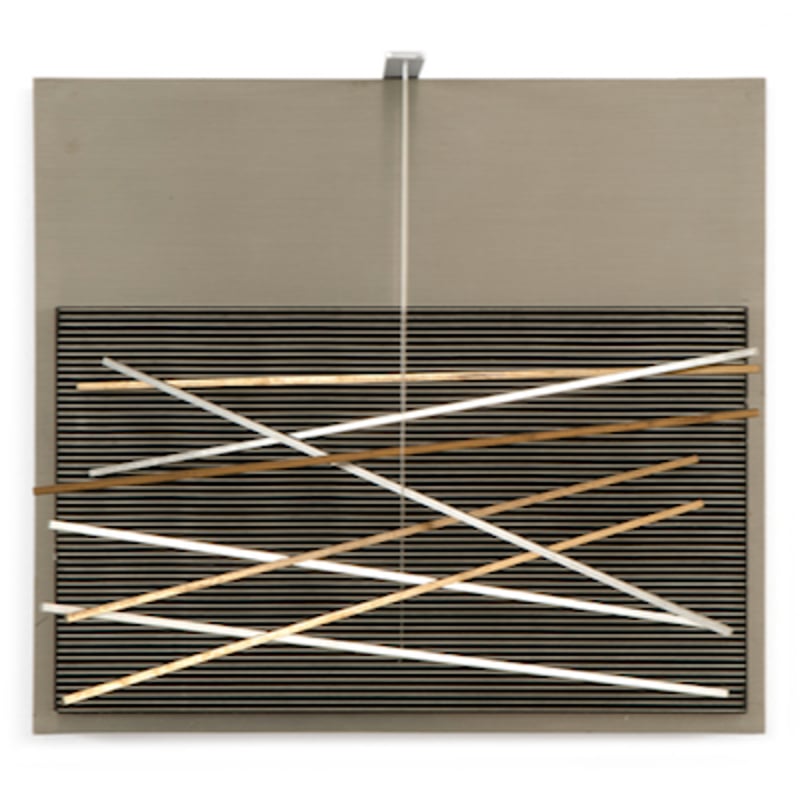
Kinetic art is an international movement that emerged in the 1920s and gained prominence in the 1960s, referring to art that involves both apparent and real motion. It encompasses any medium that includes movement, either relying on actual motion for its effect or being perceived as moving by the viewer. Early examples include canvas paintings designed to create optical illusions of movement. Today, kinetic art often refers to three-dimensional figures and sculptures, such as those operated by machines or those that move naturally. The movement covers a variety of styles and techniques that frequently overlap.
Can't find your Answer?
Thank you! Your question has been sent — we'll get back to you shortly.
