What is abstract expressionism?
- Show All
- Established
- Discoveries
- Show All
Artworks Related to Abstract expressionism
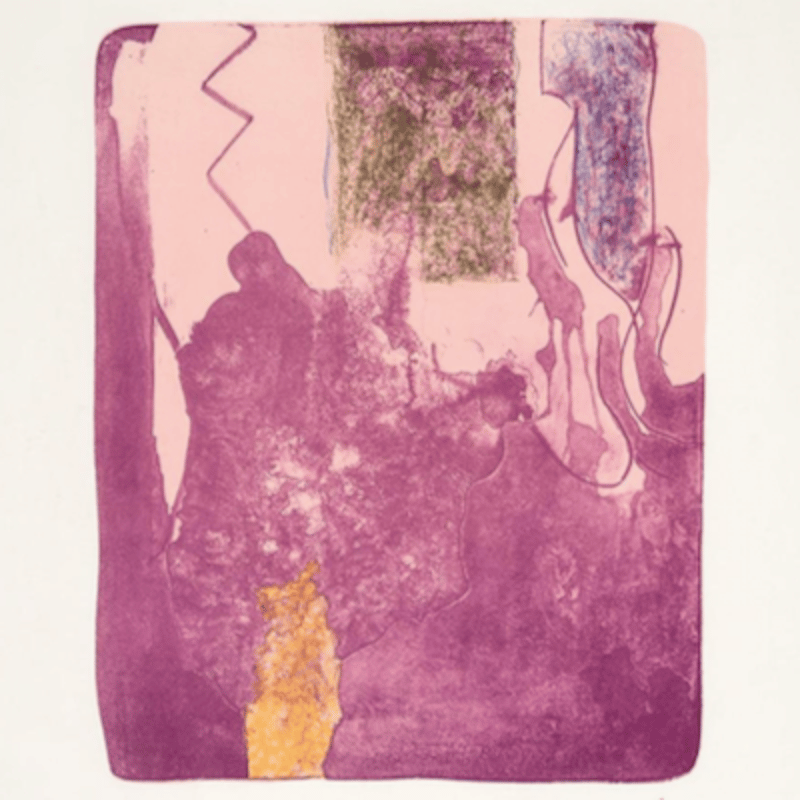
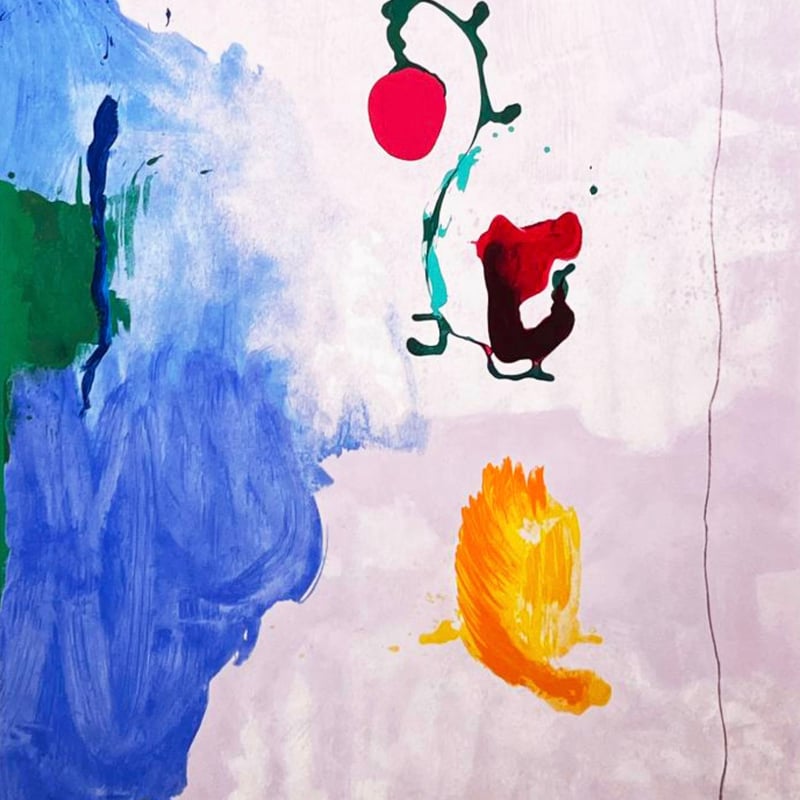
Helen Frankenthaler
Private Listing
Limited Edition Print

Sam Francis
Untitled (SFE-072), 1989
Limited Edition Print
Mixed Media
USD 9,600
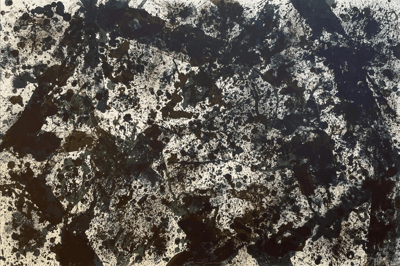
Sam Francis
Dark Cup (SF-141), 1973
Limited Edition Print
Lithograph
USD 6,700
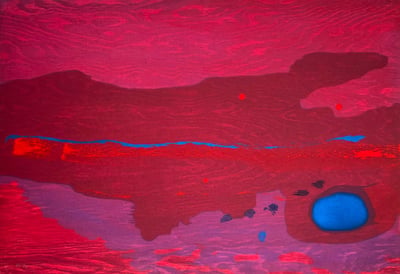
Helen Frankenthaler
Japanese Maple, 2005
Limited Edition Print
Mixed Media
Currently Not Available
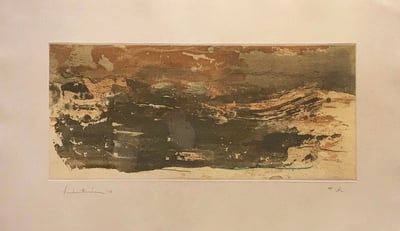
Helen Frankenthaler
Earth Slice, 1978
Limited Edition Print
Etching and Aquatint
USD 11,500
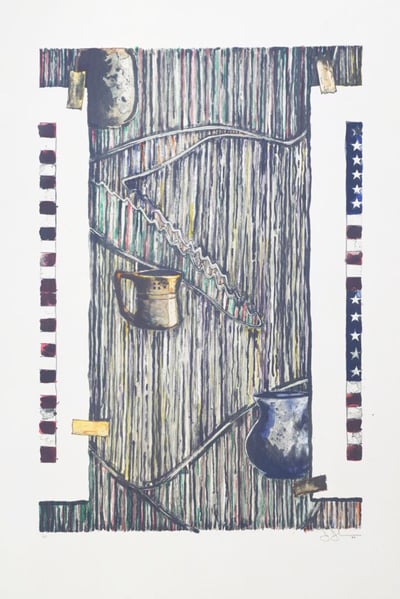
Jasper Johns
Ventriloquist, 1985
Limited Edition Print
Lithograph
USD 13,000
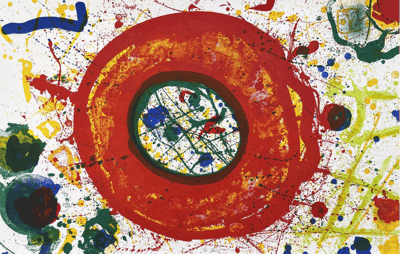
Sam Francis
Untitled (SF-356), 1992
Limited Edition Print
Lithograph
USD 14,400

Jasper Johns
Periscope, 1981
Limited Edition Print
Etching and Aquatint
USD 25,000 - 30,000
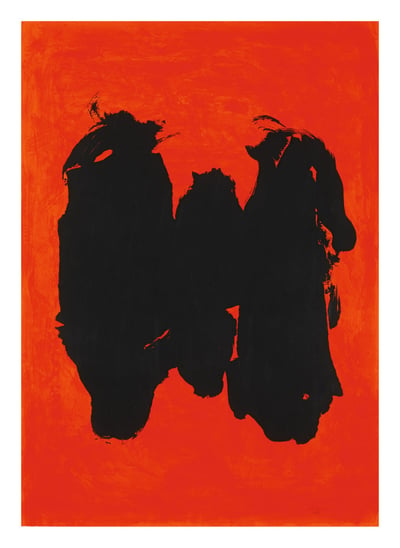
Robert Motherwell
Three Figures, 1989
Limited Edition Print
Lithograph
USD 30,000 - 40,000
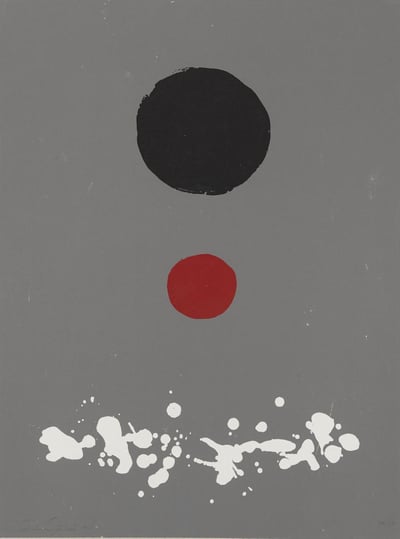
Adolph Gottlieb
Jetsam, 1967
Limited Edition Print
Serigraph
USD 3,350

Sam Francis
Untitled (SFE-073RC), 1973
Limited Edition Print
Etching and Aquatint
USD 7,800
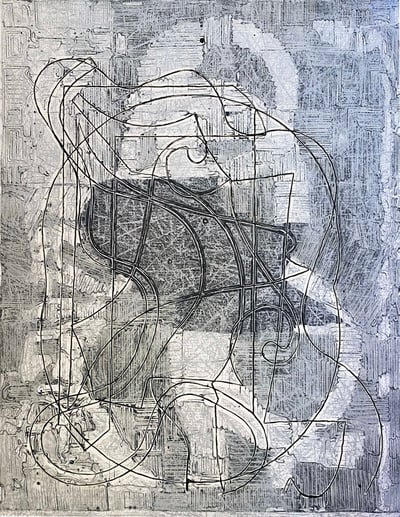
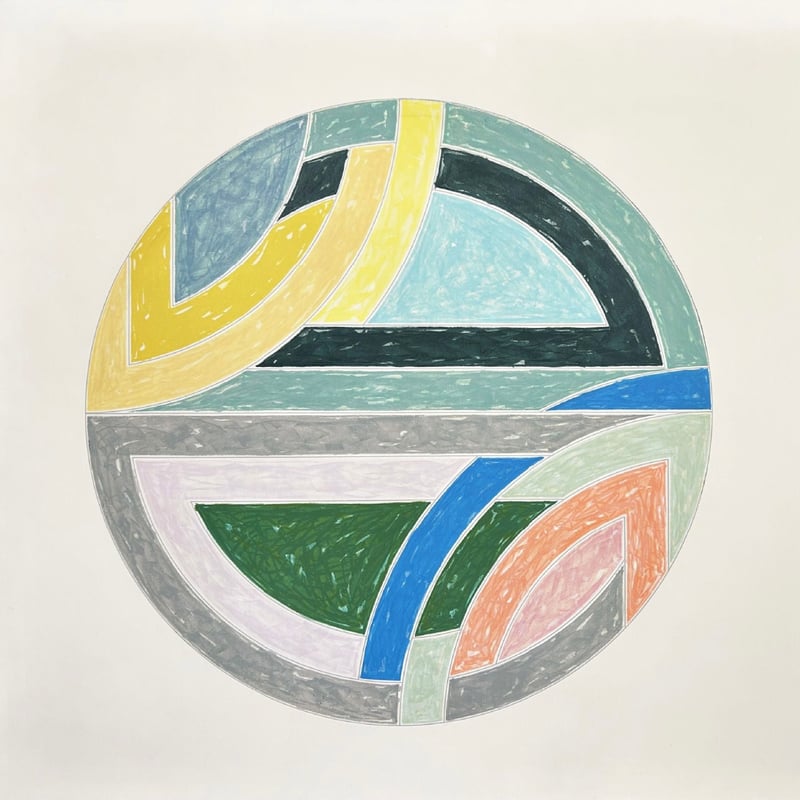
Frank Stella
Imola Three, I (from the Circuits Series), 1982
Limited Edition Print
Mixed Media
USD 43,000 - 50,000
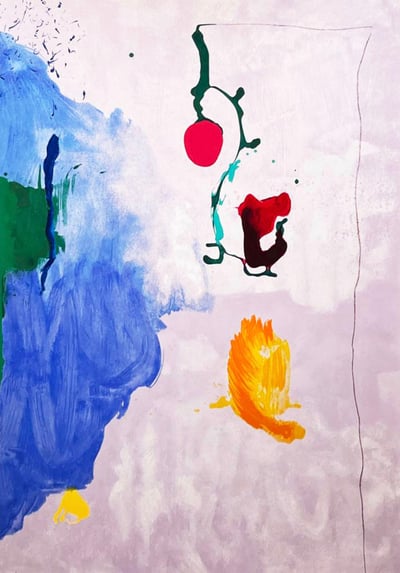
Helen Frankenthaler
Eve, 1995
Limited Edition Print
Screen-print
Currently Not Available
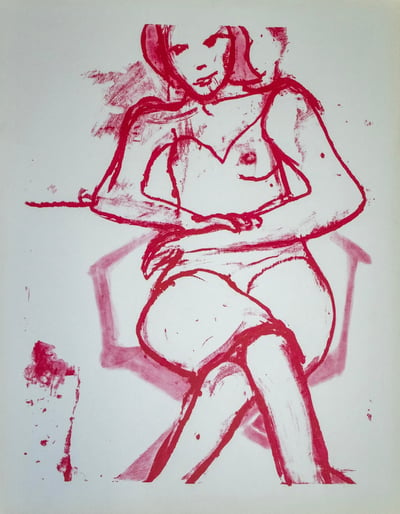
Richard Diebenkorn
Seated woman, 1965
Limited Edition Print
Lithograph
USD 3,250
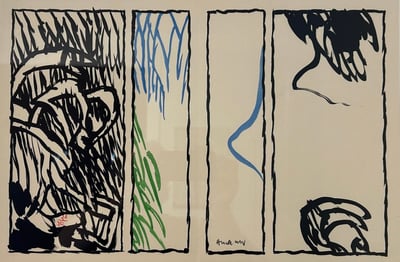
Pierre Alechinsky
Vacillations (with Watercolor), 1979
Limited Edition Print
Lithograph
Currently Not Available

Al Held
Camerata XII, 1989
Drawing / Watercolor
Watercolor
USD 29,500
Related Articles
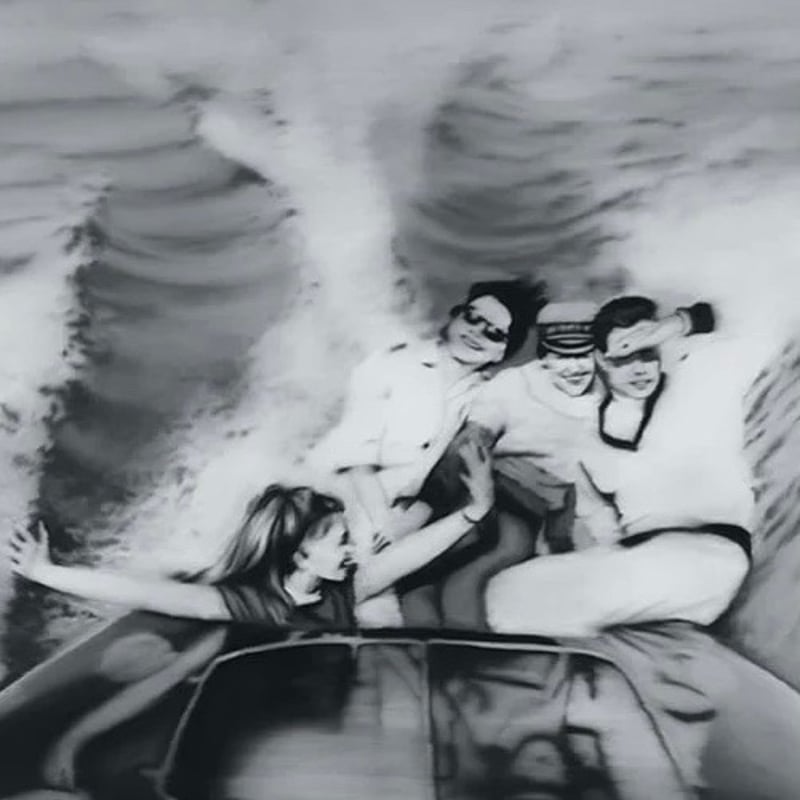

Comic strip art refers to artwork that utilizes the subject matter and commercial printing techniques found in comic strips. In the 1960s, a group of artists began creating paintings that incorporated Ben-Day dots—commonly used in comics and advertising—to produce highly graphic designs in bright colors, using traditional art media.
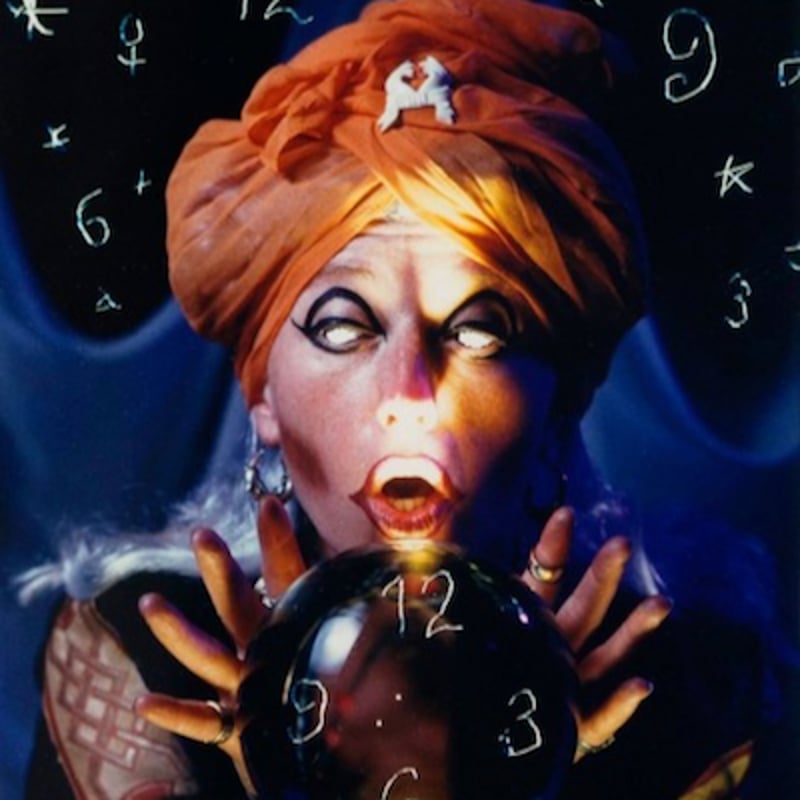
The Uncanny is a concept described by psychologist Sigmund Freud as the eerie or unsettling feeling that arises when something familiar is presented in a strange or unfamiliar way. Surrealist artists, who aimed to reveal the subconscious and merge it with reality, often utilized this concept by combining familiar objects in unexpected and bizarre ways. This approach created a sense of discomfort or unease, challenging the viewer's perception of reality.

Performance Art is a genre of fine art that is traditionally interdisciplinary, involving various art forms. It can be scripted or unscripted, random or carefully orchestrated, spontaneous, or meticulously planned, with or without audience participation. Performance Art can be presented live or through media, with the artist either present or absent. It typically involves four basic elements: space, the performer’s body or presence through a medium, time, and the relationship between performer and audience. The artwork consists of actions performed by an individual or group in a specific time and space.
Can't find your Answer?
Thank you! Your question has been sent — we'll get back to you shortly.
