
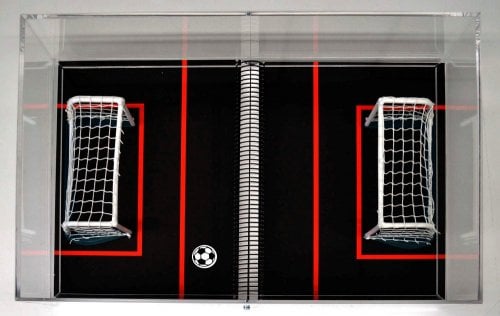
Nelson Leirner
© Nelson Leirner. All rights reserved.

Nelson Leirner
Rio 2016 - Tenis , 2013
Sculpture / Object
Mixed Media
EUR 2,000

Nelson Leirner
Rio 2016 - Natación , 2013
Sculpture / Object
Mixed Media
EUR 2,000

Nelson Leirner
Rio 2016 - Golf , 2013
Sculpture / Object
Mixed Media
EUR 2,000
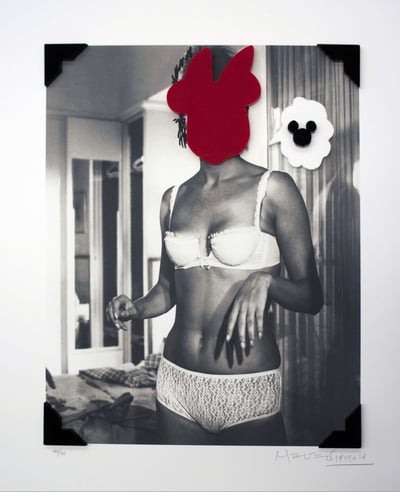
Nelson Leirner
Cada cosa en su sitio 6 , 2013
Limited Edition Print
Mixed Media
EUR 2,000

Nelson Leirner
Cada cosa en su sitio 5 , 2013
Limited Edition Print
Mixed Media
EUR 2,000
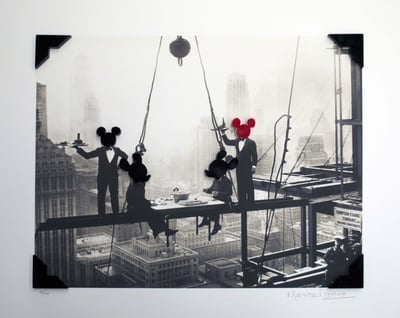
Nelson Leirner
Cada cosa en su sitio 4 , 2013
Limited Edition Print
Mixed Media
EUR 2,000
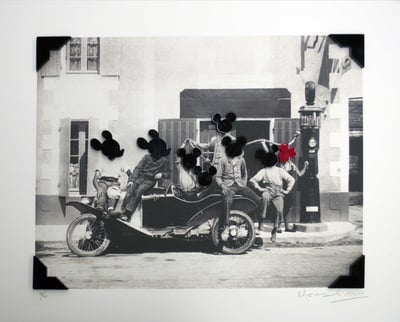
Nelson Leirner
Cada cosa en su sitio 3 , 2013
Limited Edition Print
Mixed Media
EUR 2,000
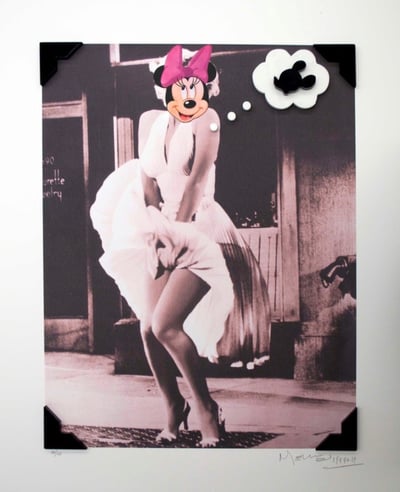
Nelson Leirner
Cada cosa en su sitio 2 , 2013
Limited Edition Print
Mixed Media
EUR 2,000

Nelson Leirner
Cada cosa en su sitio 1 , 2013
Limited Edition Print
Mixed Media
EUR 2,000

Nelson Leirner
Hot Dog , 2013
Limited Edition Print
Collage
EUR 2,000

Nelson Leirner
Picasso Toros-2 , 2012
Limited Edition Print
Collage
EUR 2,000
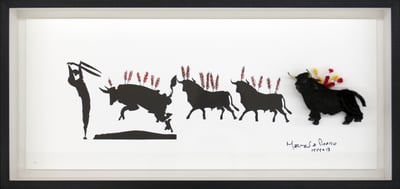
Nelson Leirner
Picasso Toros-1 , 2012
Limited Edition Print
Collage
EUR 2,000

Nelson Leirner
Cartas a...9 , 2012
Limited Edition Print
Mixed Media
EUR 1,500

Nelson Leirner
Cartas a...8 , 2012
Limited Edition Print
Mixed Media
EUR 1,500

Nelson Leirner
Cartas a...7 , 2012
Limited Edition Print
Mixed Media
EUR 1,500
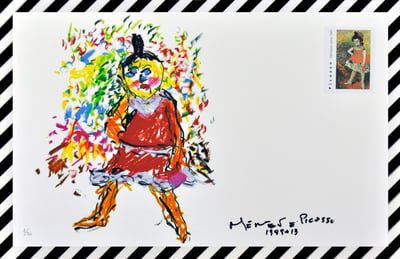
Nelson Leirner
Cartas a...6 , 2012
Limited Edition Print
Mixed Media
EUR 1,500
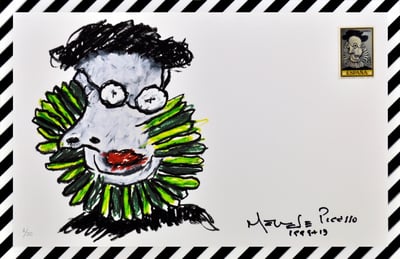
Nelson Leirner
Cartas a...5 , 2012
Limited Edition Print
Mixed Media
EUR 1,500
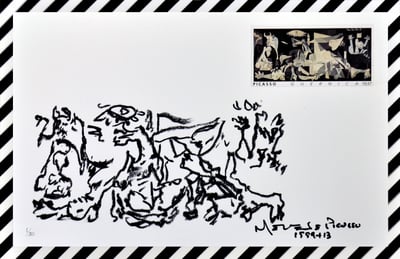
Nelson Leirner
Cartas a...4 , 2012
Limited Edition Print
Mixed Media
EUR 1,500
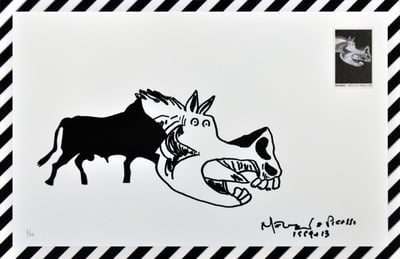
Nelson Leirner
Cartas a...3 , 2012
Limited Edition Print
Mixed Media
EUR 1,500
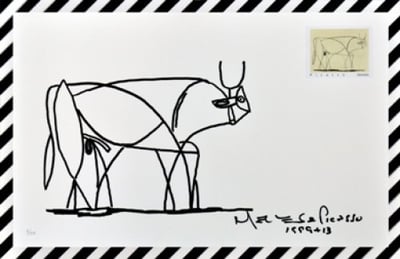
Nelson Leirner
Cartas a...2 , 2012
Limited Edition Print
Mixed Media
EUR 1,500
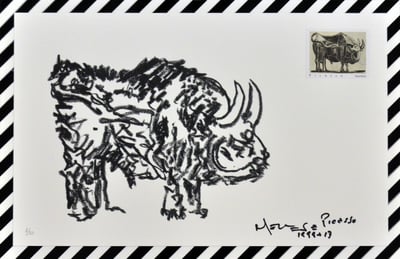
Nelson Leirner
Cartas a...1 , 2012
Limited Edition Print
Mixed Media
EUR 1,500

Nelson Leirner
Sotheby's IV , 2011
Sculpture / Object
Mixed Media
EUR 1,600

Nelson Leirner
Uma carta nao recebida , 2008
Limited Edition Print
Lithograph
EUR 1,250

Nelson Leirner
Mona Mona , 2008
Limited Edition Print
Lithograph
EUR 1,250
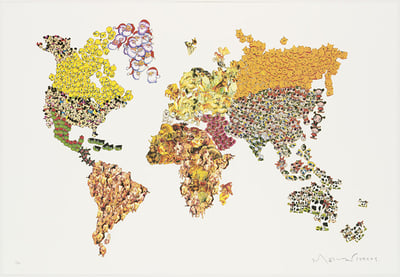
Nelson Leirner
Assim é se lhe parece , 2008
Limited Edition Print
Lithograph
EUR 1,250

Nelson Leirner
Time is money , 2008
Limited Edition Print
Lithograph
EUR 1,250

Nelson Leirner
Dow Jones , 2008
Limited Edition Print
Lithograph
EUR 1,250

Nelson Leirner
Rio 2016 - Fútbol, 2013
Sculpture / Object
Mixed Media
EUR 2,000

Nelson Leirner
Sotheby's V , 2011
Sculpture / Object
Mixed Media
Currently Not Available

Nelson Leirner
Sotheby's 4 , 2008
Sculpture / Object
Mixed Media
Currently Not Available
- Nelson Leirner
Related Artists


Related Articles
News, Popular, Collecting, Artists - August 12, 2026
In Minor Keys: Finding Intimacy and Identity at the 61st Venice Biennale — and in Your Collection
Explore how Koyo Kouoh’s 61st Venice Biennale vision, In Minor Keys, is shifting contemporary collecting toward quiet introspection, memory, and personal identi…Read More
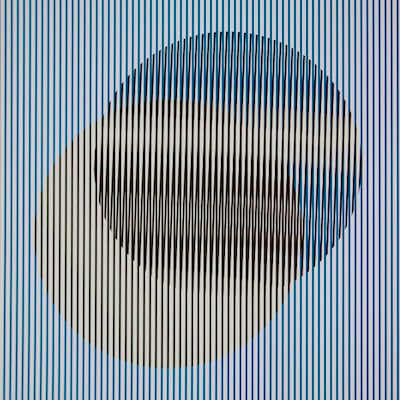 Artwork by Carlos Cruz-Diez
What is Latin American art?
Latin American Art is a style which takes inspiration from its culture, society, politics, native traditions, religions and landscape. Op-Art and Kinetic Art figure prominently in Latin artworks. Colors in Latin American compositions are often bold. Latin American artists work in all media and movements.
Explore »

