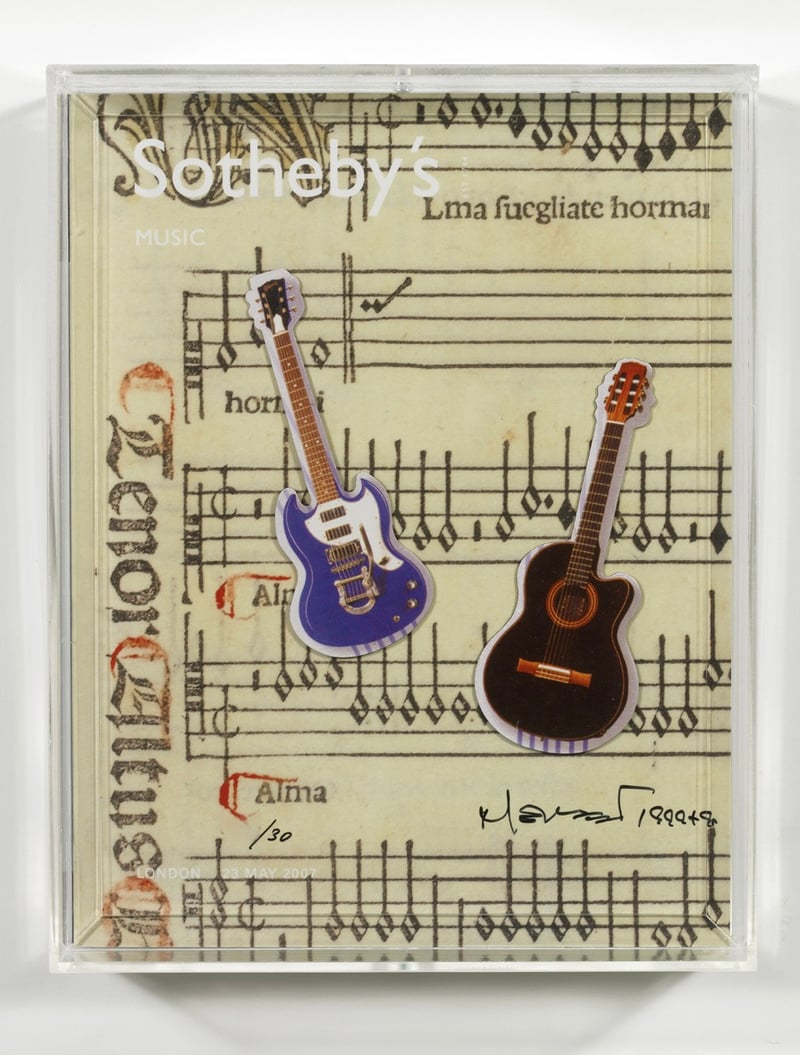
Sotheby's 4 , 2008
Form
Medium
Size
- Inches
- Centimeters
Edition
Price
- Authenticity Guaranteed
- Insured Shipping
- Online Since 2005
Nelson Leirner
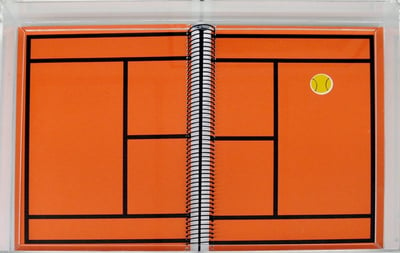
Rio 2016 - Tenis , 2013
Sculpture / Object
Mixed Media
EUR 2,000
Nelson Leirner
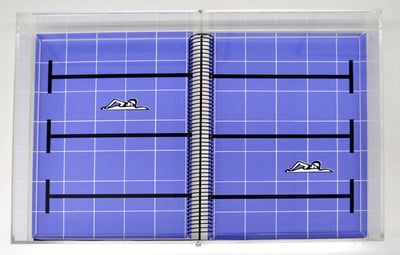
Rio 2016 - Natación , 2013
Sculpture / Object
Mixed Media
EUR 2,000
Nelson Leirner
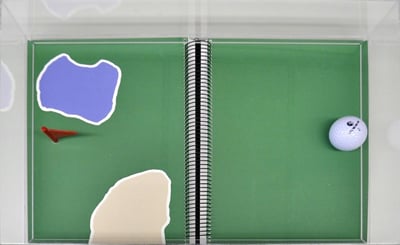
Rio 2016 - Golf , 2013
Sculpture / Object
Mixed Media
EUR 2,000
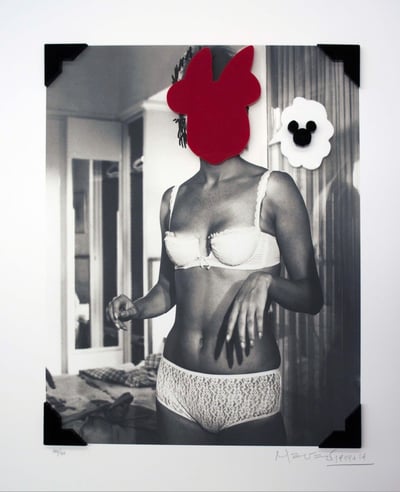
Nelson Leirner
Cada cosa en su sitio 6 , 2013
Limited Edition Print
Mixed Media
EUR 2,000
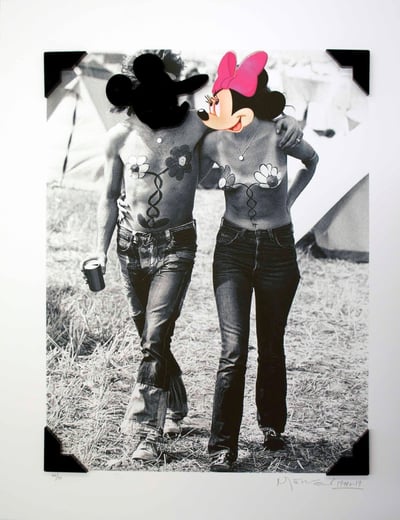
Nelson Leirner
Cada cosa en su sitio 5 , 2013
Limited Edition Print
Mixed Media
EUR 2,000
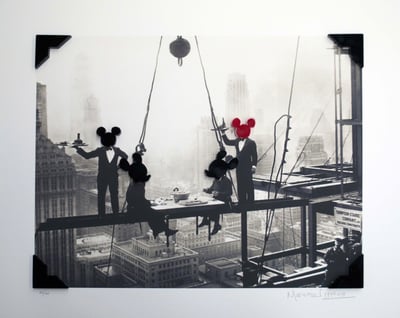
Nelson Leirner
Cada cosa en su sitio 4 , 2013
Limited Edition Print
Mixed Media
EUR 2,000
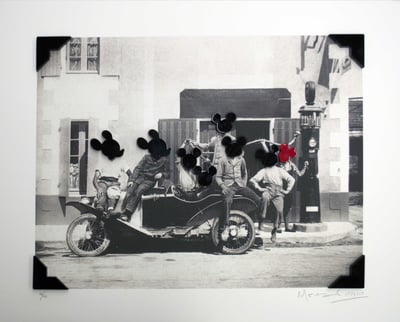
Nelson Leirner
Cada cosa en su sitio 3 , 2013
Limited Edition Print
Mixed Media
EUR 2,000
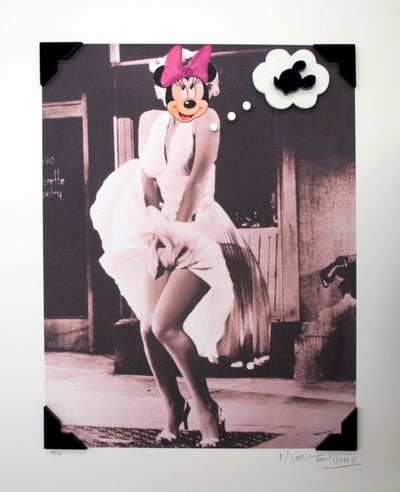
Nelson Leirner
Cada cosa en su sitio 2 , 2013
Limited Edition Print
Mixed Media
EUR 2,000
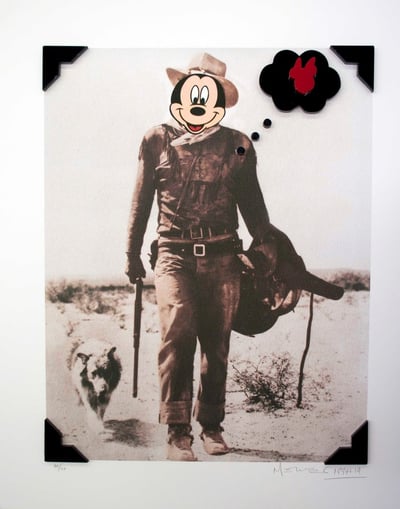
Nelson Leirner
Cada cosa en su sitio 1 , 2013
Limited Edition Print
Mixed Media
EUR 2,000
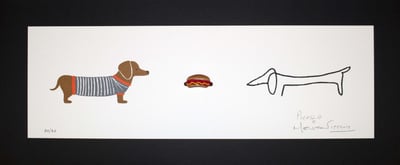
Nelson Leirner
Hot Dog , 2013
Limited Edition Print
Collage
EUR 2,000
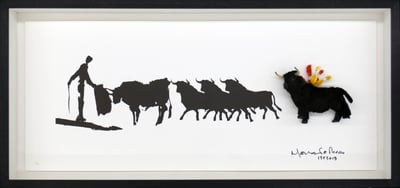
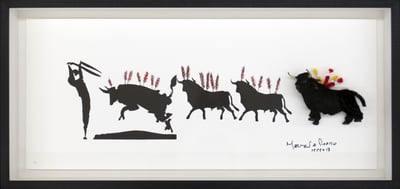
Nelson Leirner
Picasso Toros-2 , 2012
Limited Edition Print
Collage
EUR 2,000
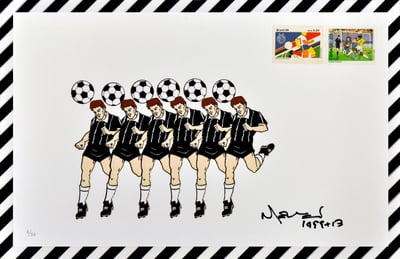
Nelson Leirner
Picasso Toros-1 , 2012
Limited Edition Print
Collage
EUR 2,000
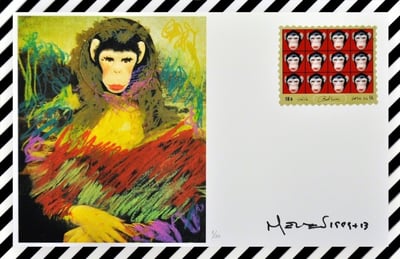
Nelson Leirner
Cartas a...9 , 2012
Limited Edition Print
Mixed Media
EUR 1,500
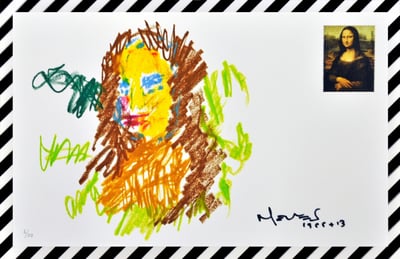
Nelson Leirner
Cartas a...8 , 2012
Limited Edition Print
Mixed Media
EUR 1,500
Nelson Leirner
Cartas a...7 , 2012
Limited Edition Print
Mixed Media
EUR 1,500
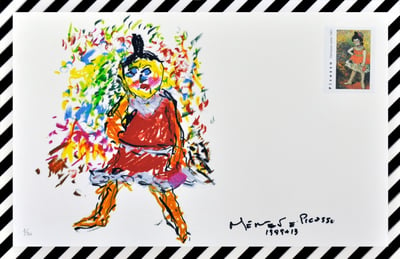
Nelson Leirner
Cartas a...6 , 2012
Limited Edition Print
Mixed Media
EUR 1,500
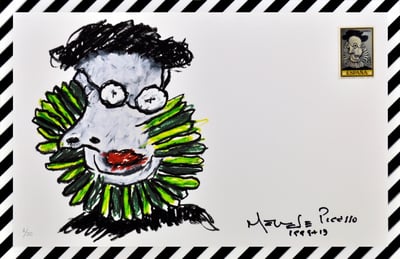
Nelson Leirner
Cartas a...5 , 2012
Limited Edition Print
Mixed Media
EUR 1,500
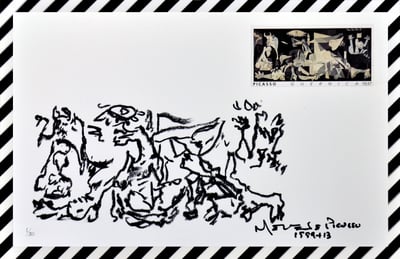
Nelson Leirner
Cartas a...4 , 2012
Limited Edition Print
Mixed Media
EUR 1,500
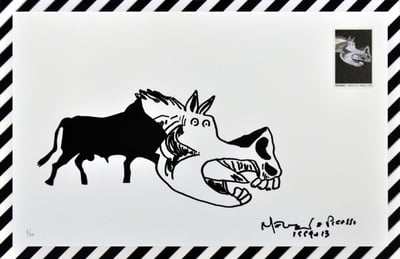
Nelson Leirner
Cartas a...3 , 2012
Limited Edition Print
Mixed Media
EUR 1,500
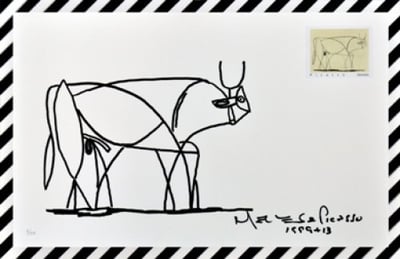
Nelson Leirner
Cartas a...2 , 2012
Limited Edition Print
Mixed Media
EUR 1,500
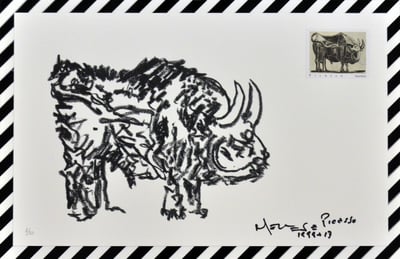
Nelson Leirner
Cartas a...1 , 2012
Limited Edition Print
Mixed Media
EUR 1,500
Nelson Leirner
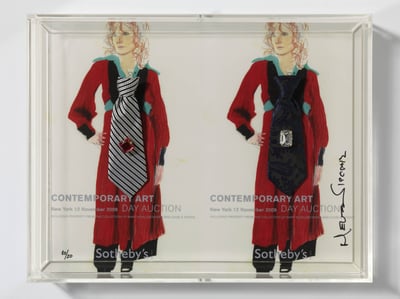
Sotheby's IV , 2011
Sculpture / Object
Mixed Media
EUR 1,600
Nelson Leirner
Uma carta nao recebida , 2008
Limited Edition Print
Lithograph
EUR 1,250
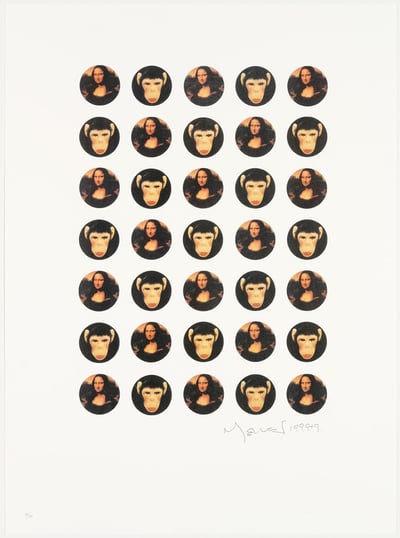
Nelson Leirner
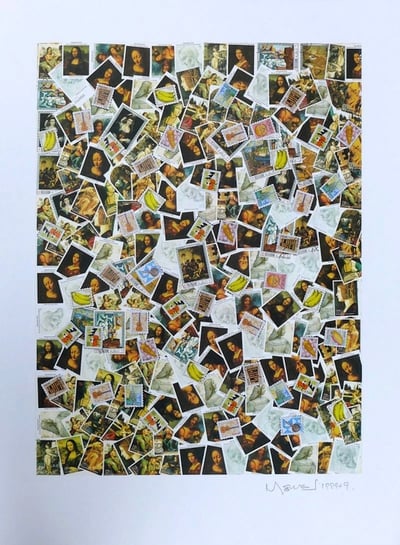
Mona Mona , 2008
Limited Edition Print
Lithograph
EUR 1,250
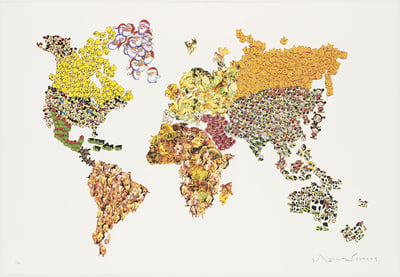
Nelson Leirner
Assim é se lhe parece , 2008
Limited Edition Print
Lithograph
EUR 1,250
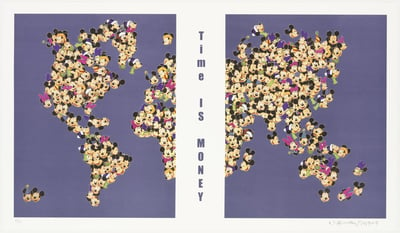
Nelson Leirner
Time is money , 2008
Limited Edition Print
Lithograph
EUR 1,250
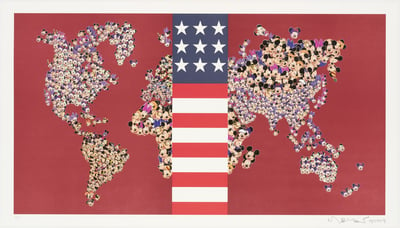
Nelson Leirner
Dow Jones , 2008
Limited Edition Print
Lithograph
EUR 1,250
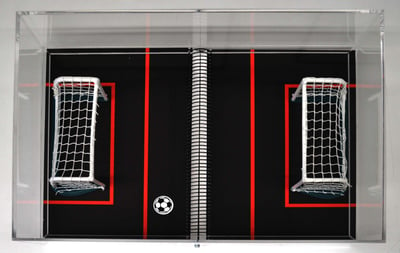
Nelson Leirner
Rio 2016 - Fútbol, 2013
Sculpture / Object
Mixed Media
EUR 2,000
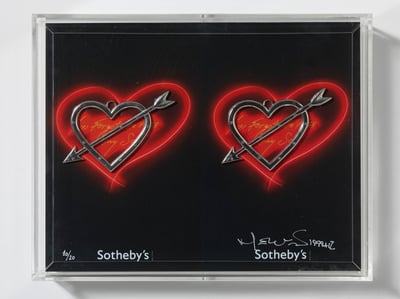
Nelson Leirner
Sotheby's V , 2011
Sculpture / Object
Mixed Media
Currently Not Available
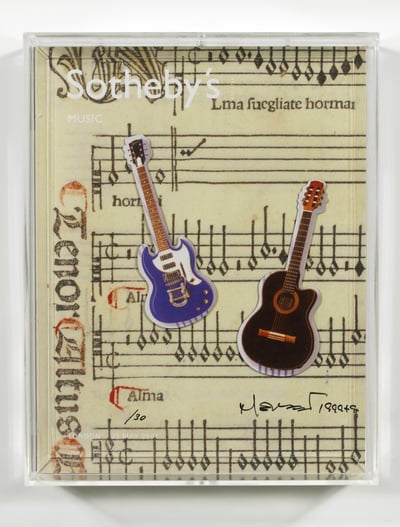
Nelson Leirner
Sotheby's 4 , 2008
Sculpture / Object
Mixed Media
Currently Not Available
Related Artists
Related Articles
Popular, News, Artists - February 27, 2026
The Sovereign Self: Tracey Emin’s A Second Life at Tate Modern (2026) and the Evolution of a Global Market
Tracey Emin’s A Second Life at Tate Modern (2026) redefines her legacy, signaling institutional canonisation and a maturing global market.Read More
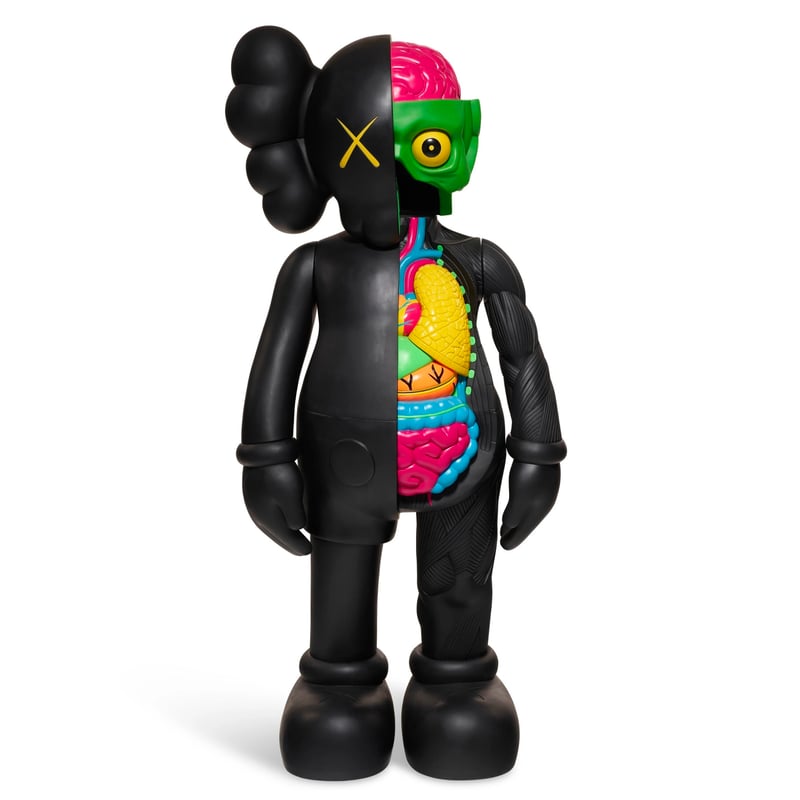
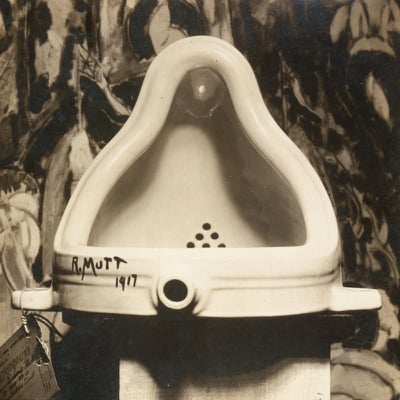
What is Found Object?
A found object is a term used to describe a man-made or natural object, or a fragment of one, that an artist discovers or purchases and keeps for inspiration or as a work of art. The artist may also modify the object or incorporate it into a collage or assemblage, transforming it into a new piece of art.
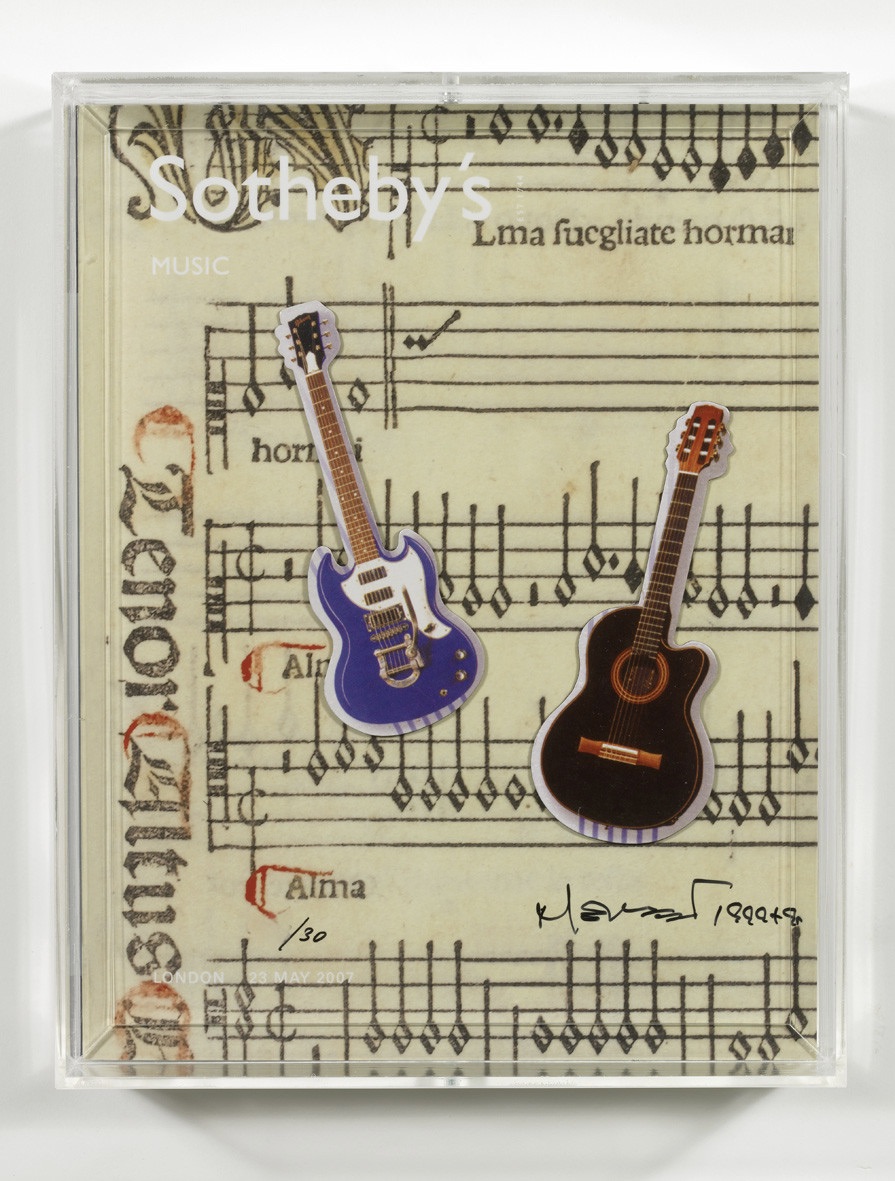
Nelson Leirner
Sotheby's 4 , 2008
27.5 x 21.5 x 5.5 cm


