![Sarah Morris – 1980 [Rings], 2009 – Silkscreen](https://images.composition.gallery/cdn-cgi/image/width=800,fit=contain,format=auto,quality=85,onerror=redirect/52999/Sarah-MORRIS-1980-Rings-Silkscreen-available-for-sale-on-www1581882200.jpg "Sarah Morris – 1980 [Rings], 2009 – Silkscreen")
Edition of 25 - Silkscreen on rag paper - Signed and numbered on reverse - In pristine condition
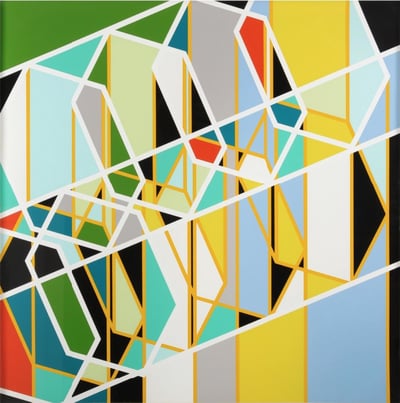
Sarah Morris's 1980 [Rings], a silkscreen print from 2009, presents a visually dynamic composition with intersecting rings and linear forms that evoke the aesthetic of modern architecture and design. Measuring 60 by 60 cm, this piece uses a vibrant yet refined palette, including shades of red, blue, orange, and soft pastels, against a crisp white background. The overlapping circles and diagonal lines create a rhythmic interplay of form and color, suggesting movement and connection. The precision of the geometric elements reflects Morris's fascination with urban environments and the structures within them. Limited to an edition of 25, each print is signed and numbered on the reverse, embodying Morris's signature style of abstract minimalism infused with energetic complexity.
Artwork Copyright © Sarah MorrisBurton Morris (USA, 1964) is a renowned pop artist celebrated for his bold, graphic depictions of American icons. His vibrant works often feature everyday objects, rendered with radiant outlines and vivid colors, capturing the essence of popular culture. Morris's art has been showcased in prominent venues, including the Academy Awards and the International Olympic Museum.
Artwork Copyright © Sarah Morris1980 [Rings], 2009
Form
Medium
Size
- Inches
- Centimeters
Edition
Price
Available works →
- Authenticity Guaranteed
- Insured Shipping
- Online Since 2005
●
●Inventory 7460
●Signed
●Comes with gallery invoice and certificate
●Sell Us a Similar Artwork. Learn more.
Edition of 25 - Silkscreen on rag paper - Signed and numbered on reverse - In pristine condition
Sarah Morris's 1980 [Rings], a silkscreen print from 2009, presents a visually dynamic composition with intersecting rings and linear forms that evoke the aesthetic of modern architecture and design. Measuring 60 by 60 cm, this piece uses a vibrant yet refined palette, including shades of red, blue, orange, and soft pastels, against a crisp white background. The overlapping circles and diagonal lines create a rhythmic interplay of form and color, suggesting movement and connection. The precision of the geometric elements reflects Morris's fascination with urban environments and the structures within them. Limited to an edition of 25, each print is signed and numbered on the reverse, embodying Morris's signature style of abstract minimalism infused with energetic complexity.
Artwork Copyright © Sarah MorrisBurton Morris (USA, 1964) is a renowned pop artist celebrated for his bold, graphic depictions of American icons. His vibrant works often feature everyday objects, rendered with radiant outlines and vivid colors, capturing the essence of popular culture. Morris's art has been showcased in prominent venues, including the Academy Awards and the International Olympic Museum.
Artwork Copyright © Sarah Morris- Recently Added
- Price (Low-High)
- Price (High-Low)
- Year (Low-High)
- Year (High-Low)
Sarah Morris
Robert Towne, 2006
Limited Edition Print
Mixed Media
EUR 2,400
Sarah Morris
Geigy (Clips), 2011
Limited Edition Print
C-Print
Currently Not Available
![Sarah Morris – 1980 [Rings], 2009 – Silkscreen](https://images.composition.gallery/cdn-cgi/image/width=400,fit=contain,format=auto,quality=85,onerror=redirect/52999/Sarah-MORRIS-1980-Rings-Silkscreen-available-for-sale-on-www1581882200.jpg)
Sarah Morris
1980 [Rings], 2009
Limited Edition Print
Silkscreen
Currently Not Available
Related Artists


Related Articles
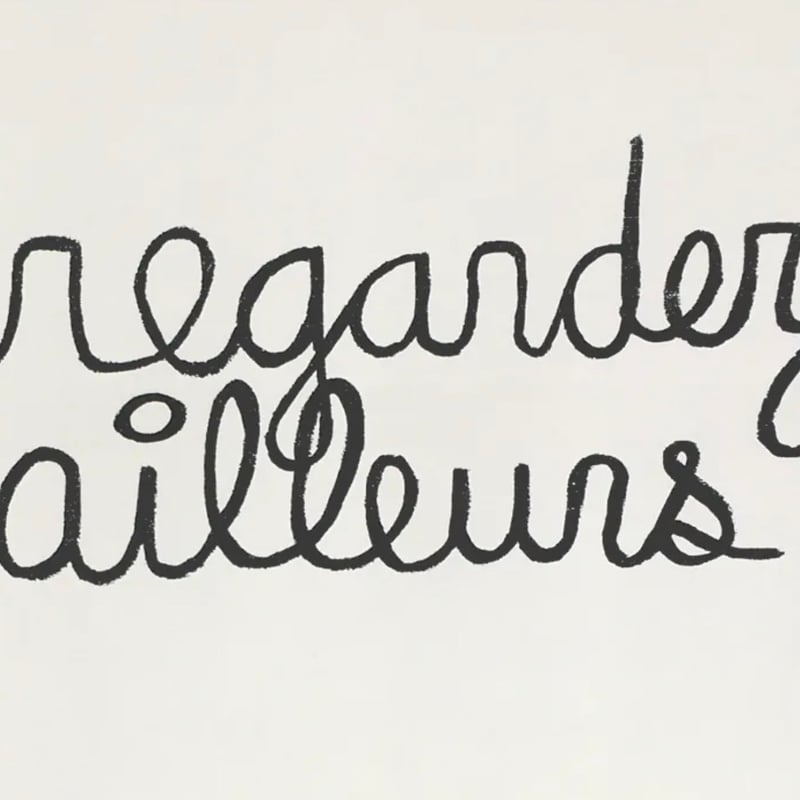
Art Movements - March 28, 2024
Lettrism: The Alphabet as Art
Discover Lettrism, the art of the alphabet! Explore how artists like Isidore Isou redefined letters as visual art, blending poetry, design, and modern expression.Read More
Popular, News, Artists, Collecting - August 12, 2026
In Minor Keys: Finding Intimacy and Identity at the 61st Venice Biennale — and in Your Collection
Explore how Koyo Kouoh’s 61st Venice Biennale vision, In Minor Keys, is shifting contemporary collecting toward quiet introspection, memory, and personal identity.Read More
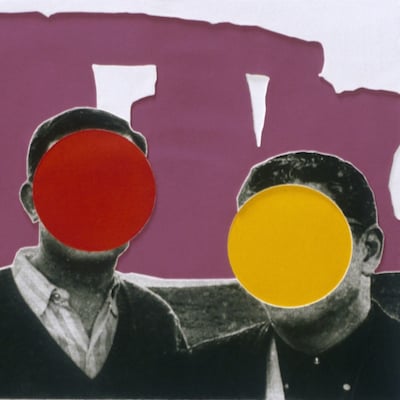
Artwork by John Baldessari
What is conceptual art?
Sometimes referred to as Conceptualism, this is an art form where the idea(s) or concept(s) behind the work take precedence over material concerns and traditional aesthetics. Many conceptual artworks can be created by anyone simply by following written instructions. The concept or idea is the most essential aspect of the artwork.
![Sarah Morris – 1980 [Rings], 2009 – Silkscreen](https://images.composition.gallery/52999/Sarah-MORRIS-1980-Rings-Silkscreen-available-for-sale-on-www1581882200.jpg)
Sarah Morris
1980 [Rings], 2009
60 x 60 cm


