Details
Artist
Styles
Etching in colors on Guarro paper, signed in black crayon. Rufino Tamayo’s Tres Manos En Rojo is an etching from 1979 that combines bold symbolism with tactile surface effects. Three vivid red hands rise against a textured field of deep blue and muted beige, their forms simplified yet expressive. The contrast between the saturated red and the rough, layered background creates a sense of urgency and presence, as if the hands are emerging or reaching outward. Tamayo often explored universal human themes, and here the repeated motif suggests communication, identity, or collective experience. Produced in an edition of 99 plus 15 hors commerce impressions, the print reflects his distinctive blend of modern abstraction and figurative resonance.
Tres Manos En Rojo, P. 260, 1979
form
Medium
Size
55.9 x 76.2 cm
- Inches
- Centimeters
Edition
Price
- USD
- EUR
- GBP
Details
Artist
Styles
Etching in colors on Guarro paper, signed in black crayon. Rufino Tamayo’s Tres Manos En Rojo is an etching from 1979 that combines bold symbolism with tactile surface effects. Three vivid red hands rise against a textured field of deep blue and muted beige, their forms simplified yet expressive. The contrast between the saturated red and the rough, layered background creates a sense of urgency and presence, as if the hands are emerging or reaching outward. Tamayo often explored universal human themes, and here the repeated motif suggests communication, identity, or collective experience. Produced in an edition of 99 plus 15 hors commerce impressions, the print reflects his distinctive blend of modern abstraction and figurative resonance.
- Recently Added
- Price (low-high )
- Price (high-low )
- Year (low-high )
- Year (high-low )

Rufino Tamayo
Dos Figuras, 1973
Limited Edition Print
Lithograph
USD 5,980

Rufino Tamayo
Mujer Con Sandia, 1950
Limited Edition Print
Lithograph
EUR 5,000

Rufino Tamayo
Bodegón, 1980
Limited Edition Print
Etching
EUR 5,200

Rufino Tamayo
Torre Blanca, P. 197, 1976
Limited Edition Print
Etching
USD 5,500

Rufino Tamayo
Dos Figuras, P. 205, 1976
Limited Edition Print
Etching
USD 6,600

Rufino Tamayo
Cabeza Sur Fonde Verte, P. 258, 1984
Limited Edition Print
Etching
USD 6,600

Rufino Tamayo
Figura Sobre Azur, 1976
Limited Edition Print
Etching
USD 5,200

Rufino Tamayo
Tres Manos En Rojo, P. 260, 1979
Limited Edition Print
Etching
USD 4,550
Related Artists


Related Articles

Collecting - August 19, 2025
20 Terms Every Art Enthusiast Should Know
Unlock the art world with ease. Learn 20 key art terms every enthusiast should know—from mediums to markets—to speak art with confidence. Read More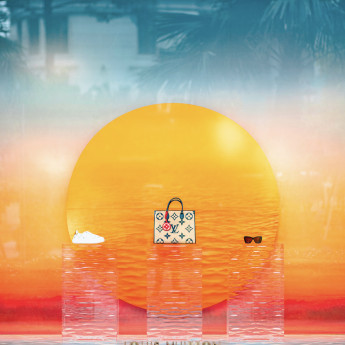

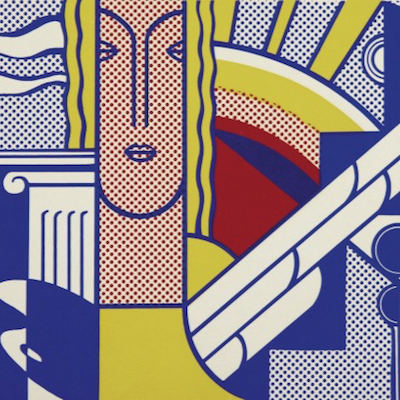
What is late modernism?
Late Modernism refers to the continuation and evolution of Modernist principles in art, architecture, and literature from the mid-20th century into the late 20th century. This movement maintains a focus on form, abstraction, and the rejection of traditional styles, but it often incorporates more complexity and ambiguity compared to early Modernism. Late Modernism explores themes such as alienation, identity, and the fragmentation of reality, reflecting the social and cultural shifts of the post-war period. It is seen in the works of architects like Louis Kahn and artists like Francis Bacon, who pushed the boundaries of Modernism while responding to the changing world around them.