Details
Artist
Styles
// Ohne Titel by Mario Merz is a lithograph that showcases the artist's signature use of organic forms and numerical elements, often linked to the Fibonacci sequence, which Merz explored as a metaphor for natural growth patterns. The image is dominated by a large, irregular oval shape filled with intricate, web-like lines. Inside, numbered circles connected by lines create a sense of structure within the seemingly chaotic composition, suggesting a scientific or mathematical approach to understanding life forms. The monochromatic palette accentuates the piece’s analytical feel, reminiscent of anatomical or technical drawings. With an edition of 150, this limited print underscores Merz's fascination with the intersection of art, science, and nature.
Details
Artist
Styles
// Ohne Titel by Mario Merz is a lithograph that showcases the artist's signature use of organic forms and numerical elements, often linked to the Fibonacci sequence, which Merz explored as a metaphor for natural growth patterns. The image is dominated by a large, irregular oval shape filled with intricate, web-like lines. Inside, numbered circles connected by lines create a sense of structure within the seemingly chaotic composition, suggesting a scientific or mathematical approach to understanding life forms. The monochromatic palette accentuates the piece’s analytical feel, reminiscent of anatomical or technical drawings. With an edition of 150, this limited print underscores Merz's fascination with the intersection of art, science, and nature.
- Recently Added
- Price (low-high )
- Price (high-low )
- Year (low-high )
- Year (high-low )

Mario Merz
Senza Titolo, 1991
Limited Edition Print
Mixed Media
EUR 1,600

Mario Merz
Ohne Titel
Limited Edition Print
Lithograph
Currently Not Available
Related Artists


Related Articles

News, Art Movements - July 28, 2023
The Conundrum of Technology's Experiment with Contemporary Art: A Mercurial Maiden Voyage
Discover how technology transforms contemporary art, blending innovation with creativity. Explore challenges of authenticity, access, and digital expression. Read More

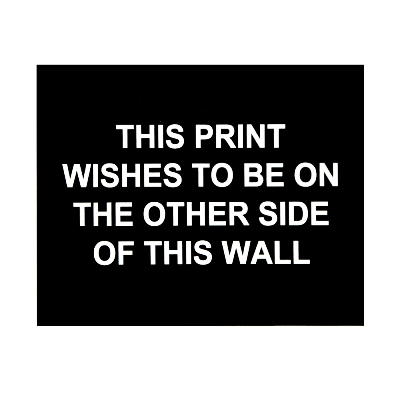
Artwork by Laure Prouvost
What is Lettrism?
Lettrism is an art form that uses letters, words, and symbols to create artwork. The movement was established in Paris in the 1940s and later gained popularity in the 1950s in America. Lettrisme is the French spelling of the movement's name, derived from the French word for letter.
RECENTLY VIEWED
-->