
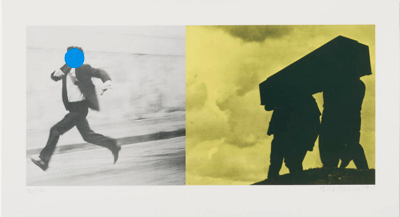
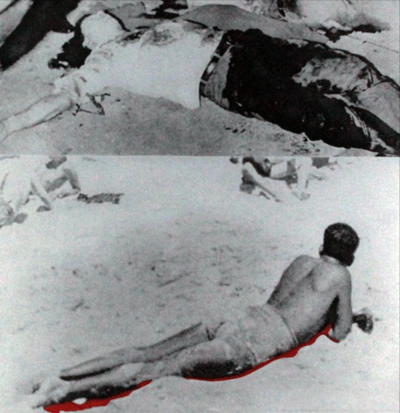
The Intersection Series: Person on Horse and Person Falling from Horse, with Audience, 2001-2002
Form
Medium
Size
- Inches
- Centimeters
Edition
Price
- Authenticity Guaranteed
- Insured Shipping
- Online Since 2005
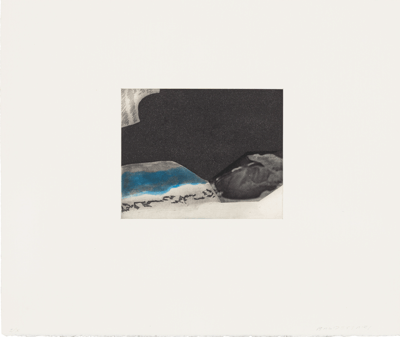
John Baldessari
Black Dice 9, 1982
Limited Edition Print
Etching and Aquatint
USD 850
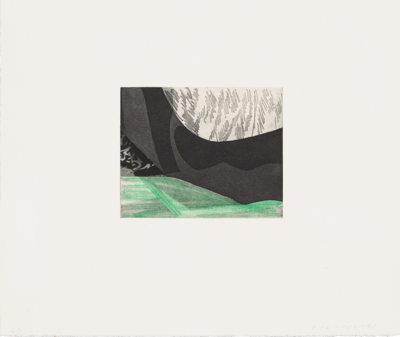
John Baldessari
Black Dice 8, 1982
Limited Edition Print
Etching and Aquatint
USD 850
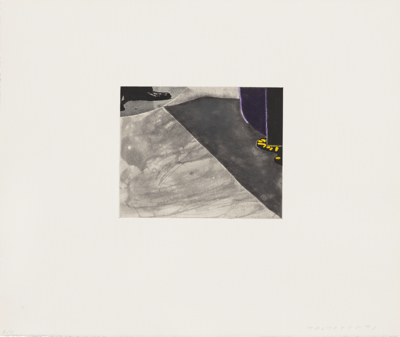
John Baldessari
Black Dice 7, 1982
Limited Edition Print
Etching and Aquatint
USD 850
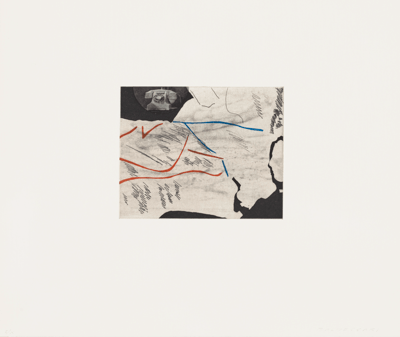
John Baldessari
Black Dice 6, 1982
Limited Edition Print
Etching and Aquatint
USD 850
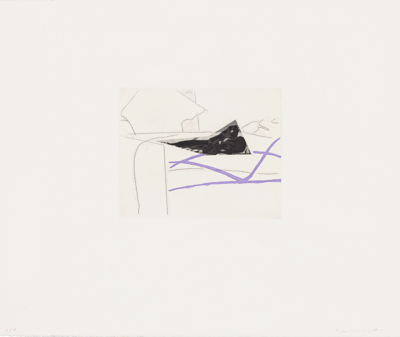
John Baldessari
Black Dice 5, 1982
Limited Edition Print
Etching and Aquatint
USD 850
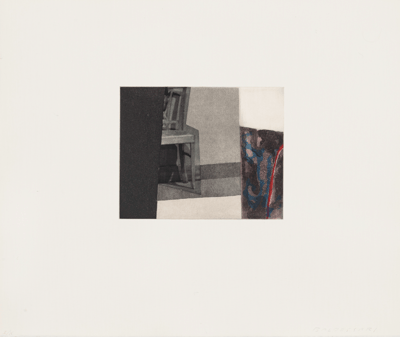
John Baldessari
Black Dice 4, 1982
Limited Edition Print
Etching and Aquatint
USD 850
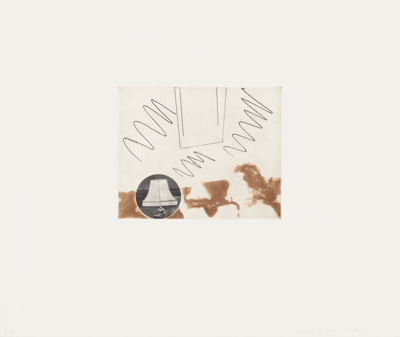
John Baldessari
Black Dice 3, 1982
Limited Edition Print
Etching and Aquatint
USD 850
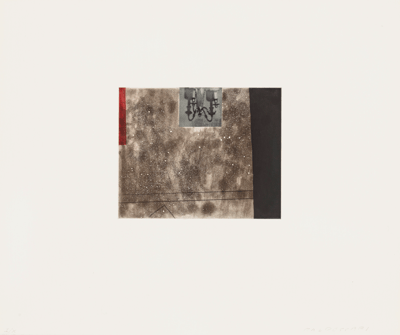
John Baldessari
Black Dice 2, 1982
Limited Edition Print
Etching and Aquatint
USD 850
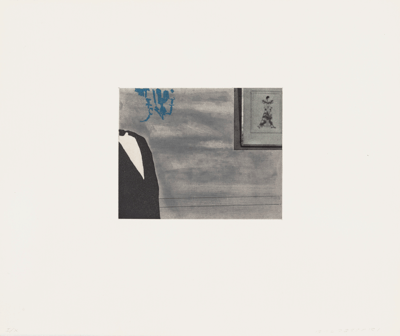
John Baldessari
Black Dice 1, 1982
Limited Edition Print
Etching and Aquatint
USD 850
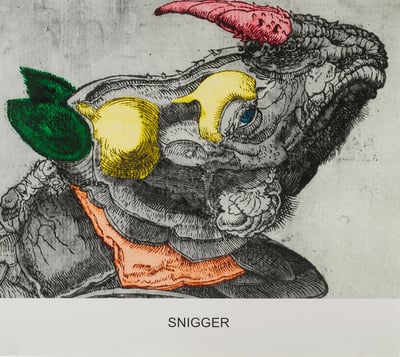
John Baldessari
Snigger, from Engravings with Sounds, 2015
Limited Edition Print
Inkjet print
USD 5,625

John Baldessari
Throwing Three Balls in the Air to Get a Straight Line (Best of Thirty-Six Attempts), 1973
Photography
Offset Print
EUR 7,200
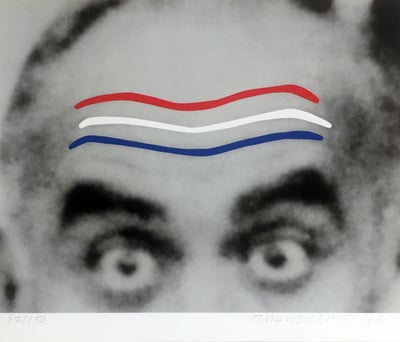
John Baldessari
Raised Eyebrows/Furrowed Foreheads (Red, White and Blue) from the Artist for Obama Portfolio, 2008
Limited Edition Print
Screen-print
USD 1,950

John Baldessari
Falling Star, 1989-90
Limited Edition Print
Mixed Media
Inquire For Price
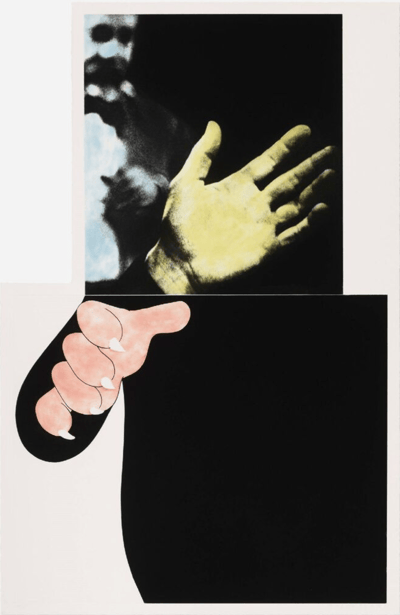
John Baldessari
Two Hands (With Distant Figure), 1989-1990
Limited Edition Print
Mixed Media
USD 5,500
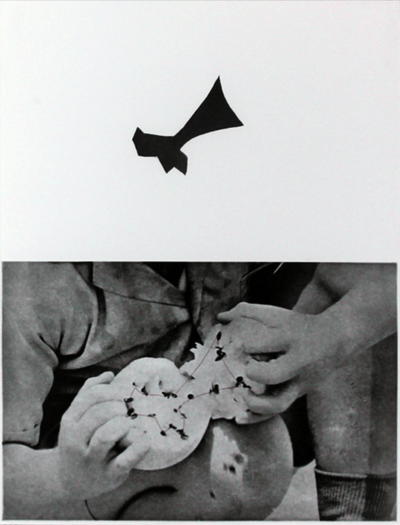
John Baldessari
Seeds, 1986
Limited Edition Print
Etching and Aquatint
USD 2,250
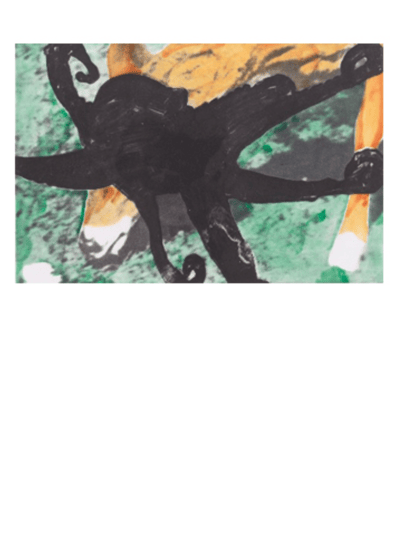
John Baldessari
Deer and Octopus, 1986
Limited Edition Print
Etching and Aquatint
USD 2,250
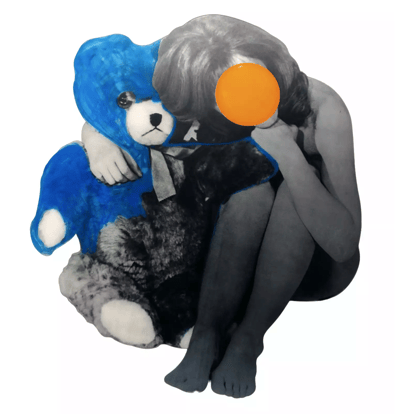
John Baldessari
Girl with Teddy Bear, 1988
Limited Edition Print
Mixed Media
USD 14,000
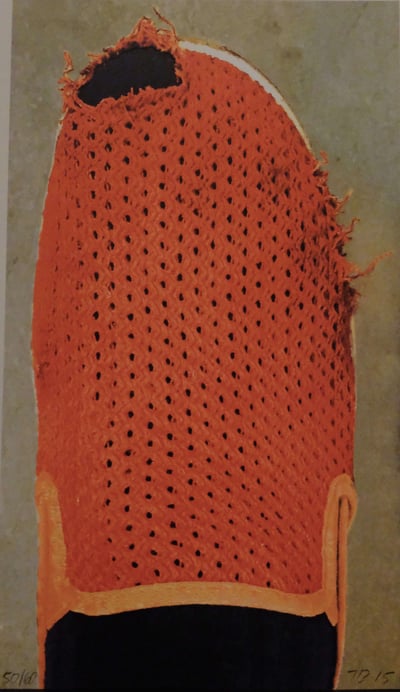
John Baldessari
Red Slipper, 2015
Limited Edition Print
Lithograph
USD 6,600
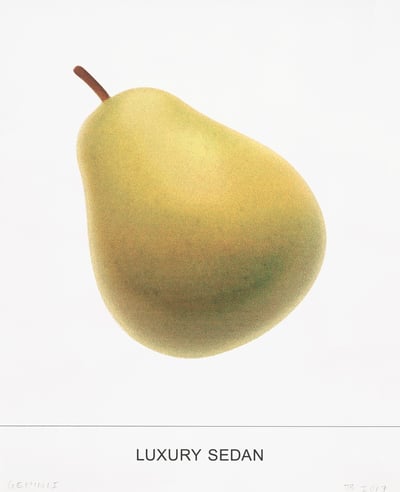
John Baldessari
Triad, 2017
Limited Edition Print
Screen-print
USD 6,600
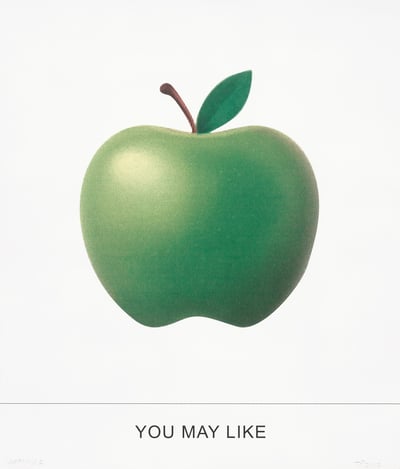
John Baldessari
Adam wasn't into it, 2017
Limited Edition Print
Screen-print
USD 6,600
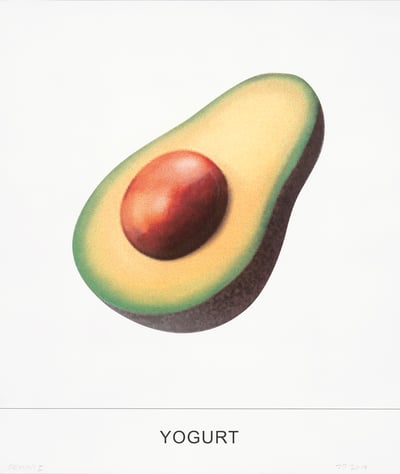
John Baldessari
Yogurt, 2017
Limited Edition Print
Screen-print
USD 6,600
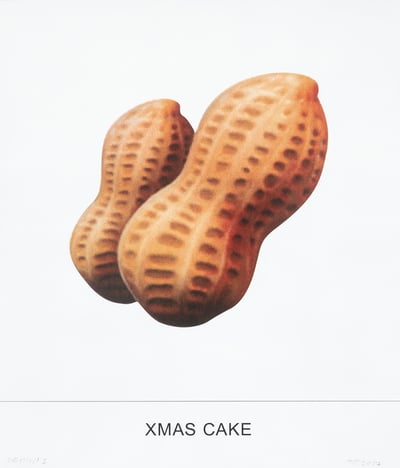
John Baldessari
I have an elephant, 2017
Limited Edition Print
Screen-print
USD 6,600
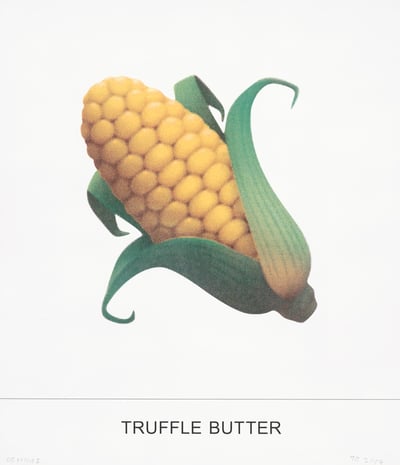
John Baldessari
Truffle butter, 2017
Limited Edition Print
Screen-print
USD 6,600
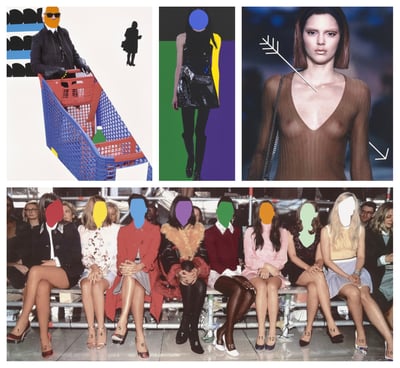
John Baldessari
Front Row Suite, 2015
Limited Edition Print
Silkscreen
USD 83,000 – 90,000
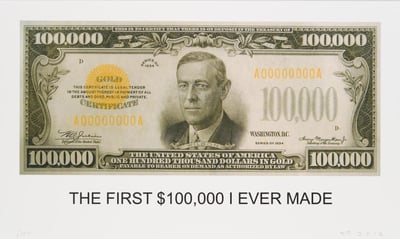
John Baldessari
The first $100,000 I ever made, 2012
Limited Edition Print
Lithograph
USD 5,500
John Baldessari
The life and opinions of Tristam Shandy 5, 1988
Limited Edition Print
Lithograph
Currently Not Available
John Baldessari
Two Figures (One with Shadow), 1986
Limited Edition Print
Etching and Aquatint
Currently Not Available

John Baldessari
Dustin Hoffman, 2018
Limited Edition Print
Embossing
Currently Not Available
Related Artists
Related Articles
Artists - October 24, 2024
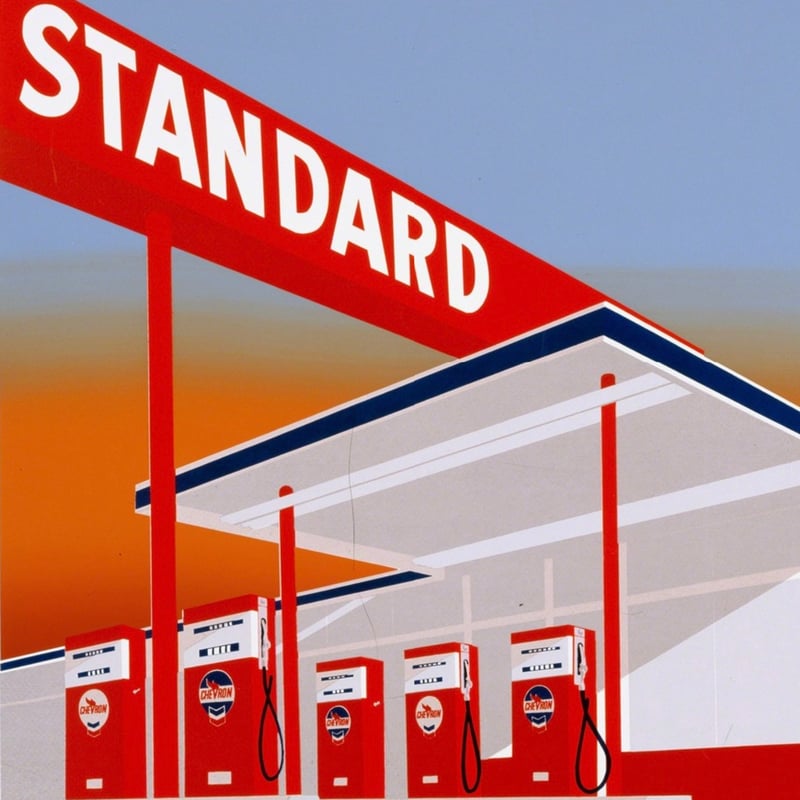
Ed Ruscha's 'Standard Station' (1966): An Icon of American Pop Art
Explore Ed Ruscha’s Standard Station (1966), a Pop Art icon. Discover its bold design, cultural symbolism, and lasting influence on American art.Read More
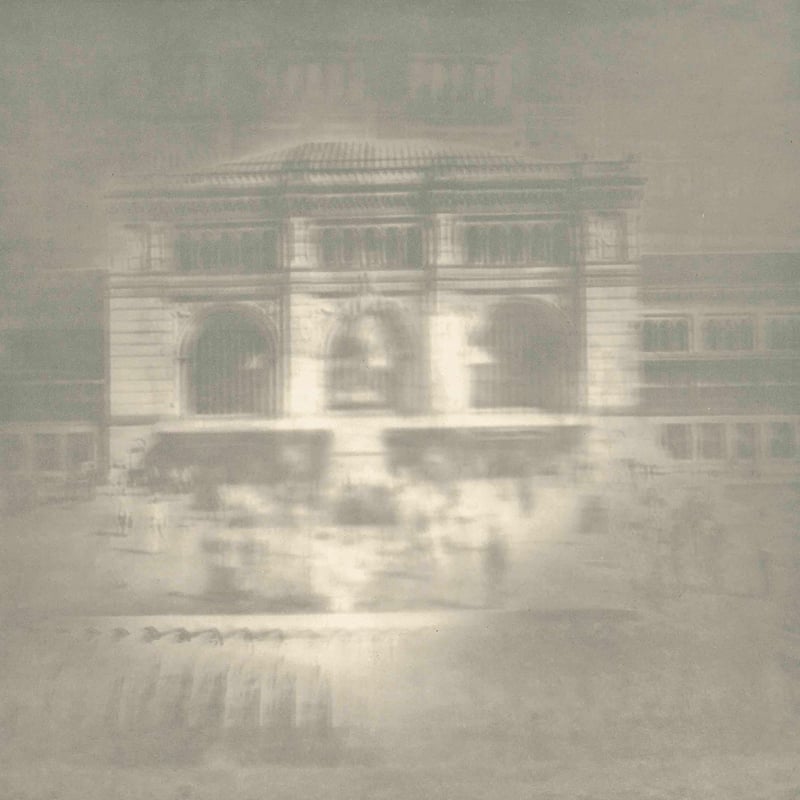
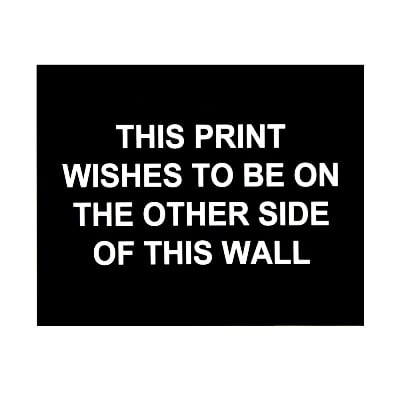
What is Lettrism?
Lettrism is an art form that uses letters, words, and symbols to create artwork. The movement was established in Paris in the 1940s and later gained popularity in the 1950s in America. Lettrisme is the French spelling of the movement's name, derived from the French word for letter.


