
Materials: wooden fiber boards
Construction Module Tate Modern M8-D53-14022005 C by Jan De Cock is a minimalist wooden sculpture created in 2005, crafted from wooden fiber boards. This modular structure features clean lines, simple geometric forms, and an industrial aesthetic. Resembling a functional piece of furniture or a storage unit, it blurs the boundaries between sculpture and practical design. The boxy construction and unembellished surfaces evoke themes of utility and spatial presence, inviting viewers to consider the interaction between art, architecture, and everyday objects. De Cock’s work often explores modularity and repetition, reflecting on how structures occupy space and the role of minimalism in contemporary art.
Artwork Copyright © Jan De CockJan De Cock (Belgium, 1976) is a contemporary visual artist known for his large-scale, site-specific installations that explore the relationship between art, architecture, and space. His work often references modernist aesthetics and challenges traditional notions of sculpture. De Cock founded The Brussels Art_ Institute, a multidisciplinary workspace fostering collaboration between artists and educational institutions.
Artwork Copyright © Jan De CockConstruction module Tate Modern M8-D53-14022005 C, 2005
Form
Medium
Size
- Inches
- Centimeters
Edition
Price
Available works →
- Authenticity Guaranteed
- Insured Shipping
- Online Since 2005
●
●Inventory 7485
●Signed
●Comes with gallery invoice and certificate
●Sell Us a Similar Artwork. Learn more.
Materials: wooden fiber boards
Construction Module Tate Modern M8-D53-14022005 C by Jan De Cock is a minimalist wooden sculpture created in 2005, crafted from wooden fiber boards. This modular structure features clean lines, simple geometric forms, and an industrial aesthetic. Resembling a functional piece of furniture or a storage unit, it blurs the boundaries between sculpture and practical design. The boxy construction and unembellished surfaces evoke themes of utility and spatial presence, inviting viewers to consider the interaction between art, architecture, and everyday objects. De Cock’s work often explores modularity and repetition, reflecting on how structures occupy space and the role of minimalism in contemporary art.
Artwork Copyright © Jan De CockJan De Cock (Belgium, 1976) is a contemporary visual artist known for his large-scale, site-specific installations that explore the relationship between art, architecture, and space. His work often references modernist aesthetics and challenges traditional notions of sculpture. De Cock founded The Brussels Art_ Institute, a multidisciplinary workspace fostering collaboration between artists and educational institutions.
Artwork Copyright © Jan De CockAvailability
Form
Medium
SORT BY
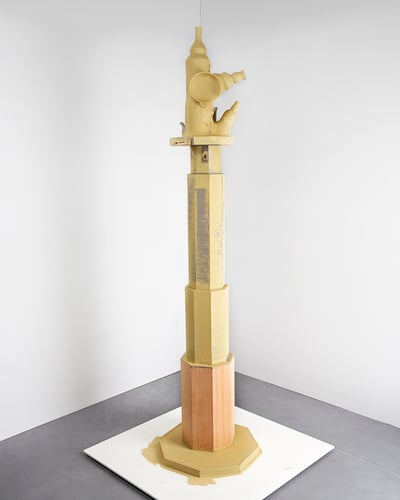
Jan De Cock
Nature morte with monument, 2013
Sculpture / Object
Mixed Media
EUR 19,500
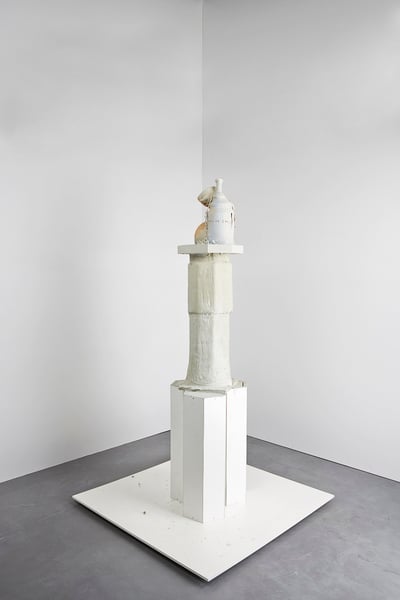
Jan De Cock
Nature morte with broken necklace, 2013
Sculpture / Object
Mixed Media
EUR 19,500
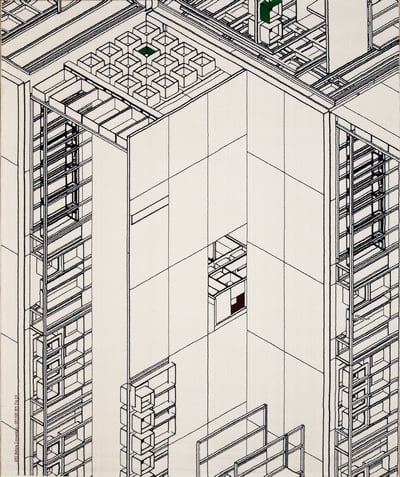
Jan De Cock
D53 Before Conversation Fig.154, 2006
Tapestry
Tapestry
EUR 11,000
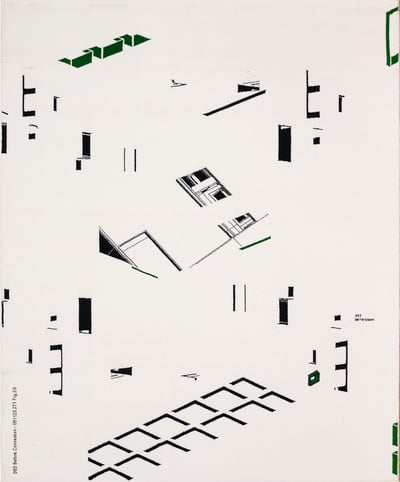
Jan De Cock
D53 Before Converdation Fig.271, 2006
Tapestry
Tapestry
EUR 7,500
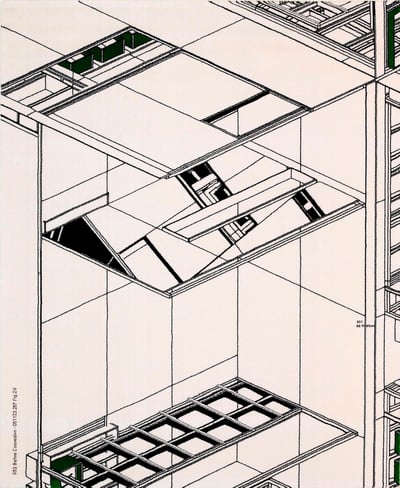
Jan De Cock
D53 Before Conversation Fig.267, 2006
Tapestry
Tapestry
EUR 7,500
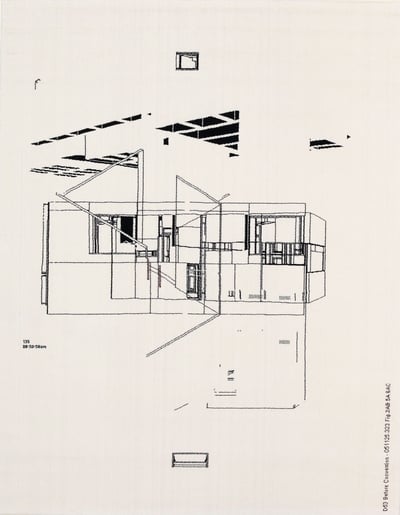
Jan De Cock
D53 Before Conversation - fig323, 2006
Tapestry
Tapestry
EUR 6,500
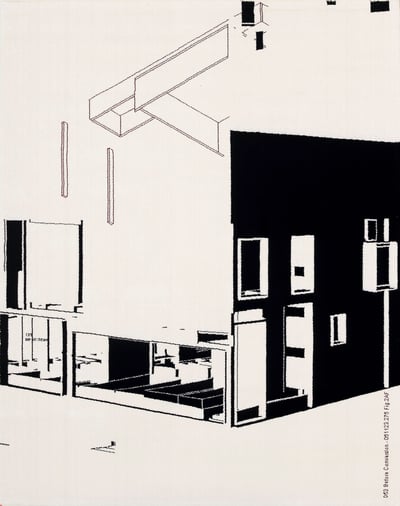
Jan De Cock
D53 Before Conversation - Fig275, 2006
Tapestry
Tapestry
EUR 6,500
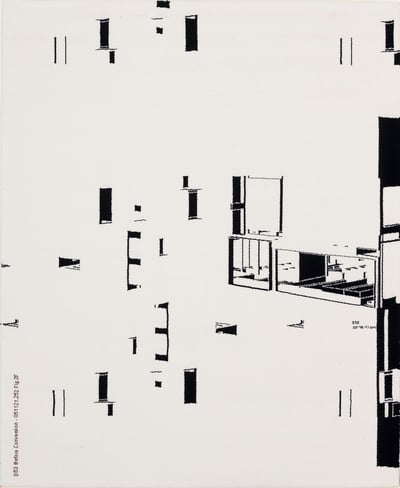
Jan De Cock
D53 Before Conversation - Fig252, 2006
Tapestry
Tapestry
EUR 6,500
Related Artists
Related Articles
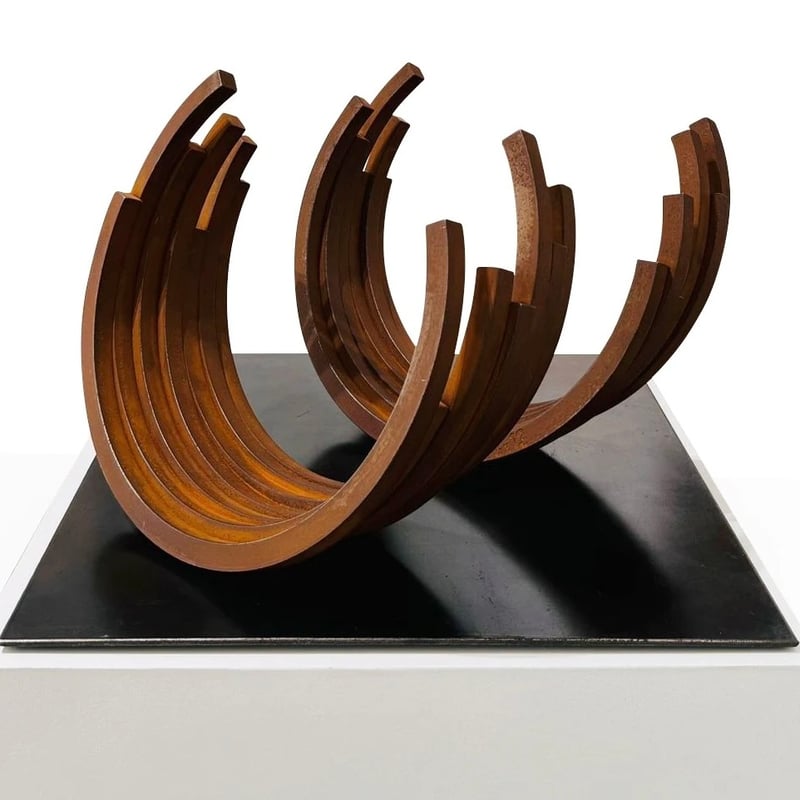
Popular, Collecting - February 21, 2025
Sculpture 101: From Clay to Bronze – How Sculptures Are Made
Discover the art of sculpture! Explore traditional techniques like carving and bronze casting, plus modern innovations like 3D printing. A journey in creativity!Read More
© Composition.gallery
What is Futurism?
Futurism was an early 20th-century art movement that sought to capture the energy and dynamism of the modern world. The movement was launched by Italian poet Filippo Tommaso Marinetti, who published the Manifesto of Futurism on February 20, 1909. Futurism denounced the past and passionately embraced technology, industry, and the speed of modern life.


