Details
Artist
Styles
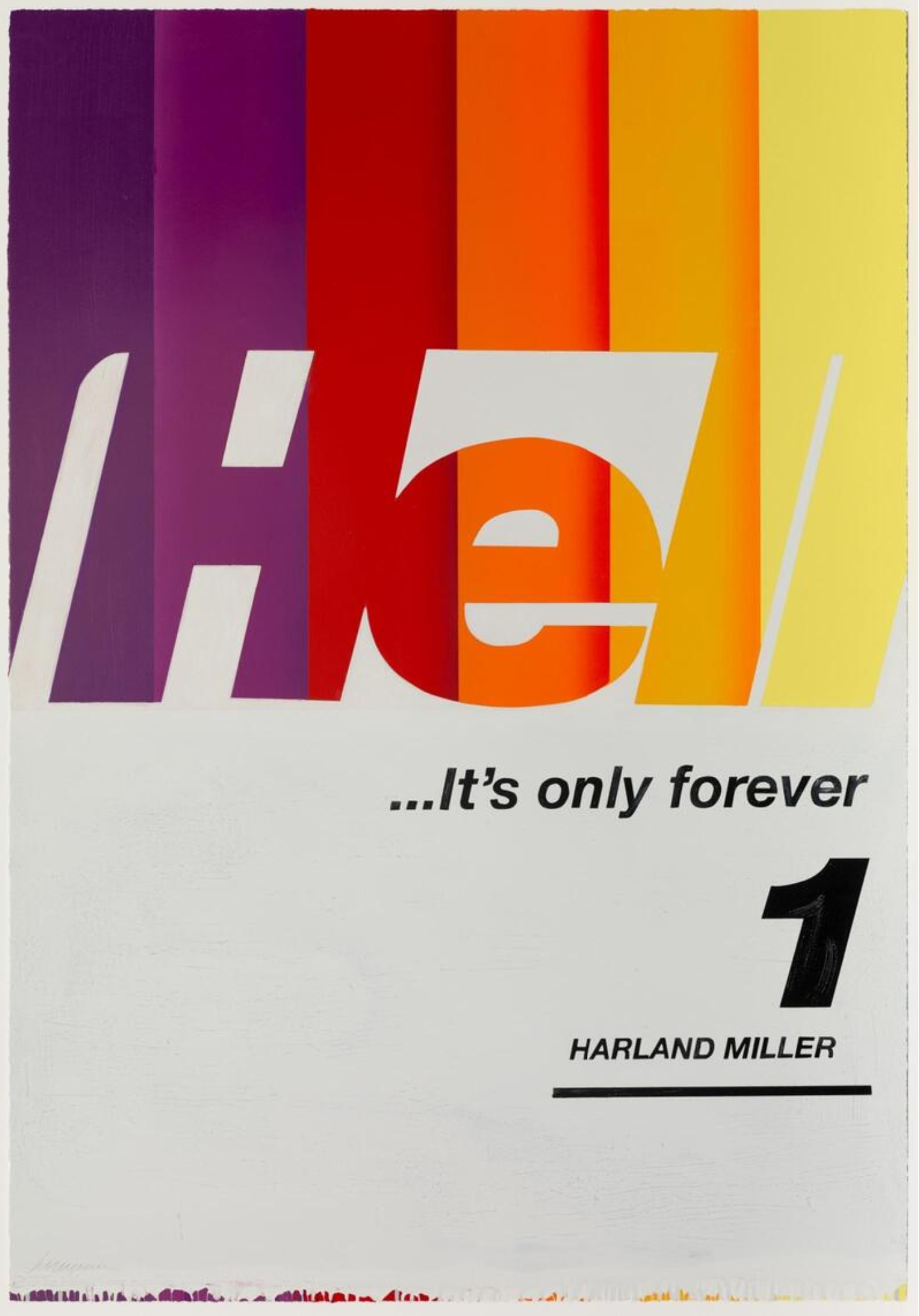
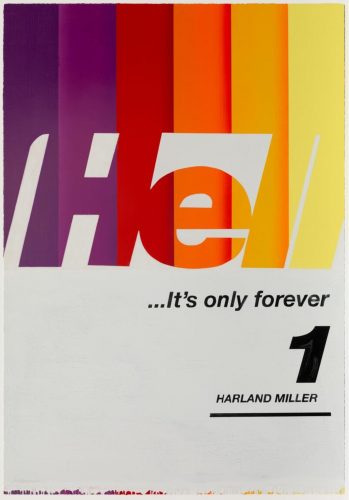
Woodcut on wove paper. Hand signed and numbered in pencil. Hell... It's Only Forever 1 (Large) (2020) by Harland Miller is a striking woodcut that merges typographic design with psychological nuance. The bold, cropped letters spelling "Hell" stretch across a vertical gradient of purple, red, orange, and yellow, suggesting heat, intensity, or emotional escalation. Below, the phrase "...It's only forever" juxtaposes humor and existential dread in Miller’s signature tone, reminiscent of vintage book covers. The composition cleverly fuses literary reference with visual minimalism, underscored by the stark contrast between text and background. This edition of 50 is hand signed and numbered by the artist.
Hell... It's Only Forever 1 (Large), 2020
form
Medium
Size
171.5 x 119.4 cm
- Inches
- Centimeters
Edition
Range
- USD
- EUR
- GBP
Details
Artist
Styles
Woodcut on wove paper. Hand signed and numbered in pencil. Hell... It's Only Forever 1 (Large) (2020) by Harland Miller is a striking woodcut that merges typographic design with psychological nuance. The bold, cropped letters spelling "Hell" stretch across a vertical gradient of purple, red, orange, and yellow, suggesting heat, intensity, or emotional escalation. Below, the phrase "...It's only forever" juxtaposes humor and existential dread in Miller’s signature tone, reminiscent of vintage book covers. The composition cleverly fuses literary reference with visual minimalism, underscored by the stark contrast between text and background. This edition of 50 is hand signed and numbered by the artist.
- Recently Added
- Price (low-high )
- Price (high-low )
- Year (low-high )
- Year (high-low )
Harland Miller
Who Cares Wins, 2020
Limited Edition Print
Silkscreen
Artwork On Hold
Harland Miller
Thought After Filthy Thought, 2019
Limited Edition Print
Relief Printing
USD 40,000 - 50,000
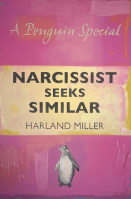
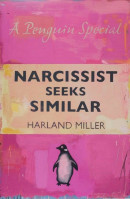
Harland Miller
Narcissist Seeks Similar, 2021
Limited Edition Print
Relief Printing
USD 30,000 - 40,000
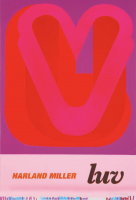
Harland Miller
LUV, 2023
Limited Edition Print
Woodcut
Inquire For Price
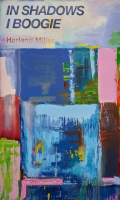
Harland Miller
In Shadows I Boogie, 2019
Limited Edition Print
Mixed Media
USD 40,000 - 50,000
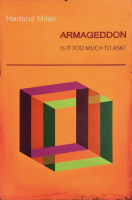
Harland Miller
Armageddon Is It Too Much To Ask?, 2017
Limited Edition Print
Mixed Media
USD 22,000
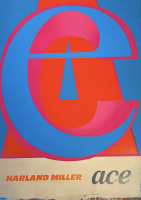
Harland Miller
Ace, 2019
Limited Edition Print
Mixed Media
USD 25,000
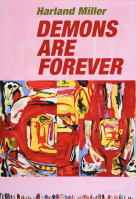
Harland Miller
Demons Are Forever, 2024
Limited Edition Print
Relief Printing
Inquire For Price
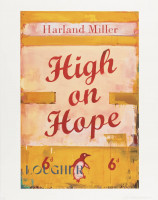
Harland Miller
High On Hope, 2019
Limited Edition Print
Screen-print
GBP 15,000 - 20,000
Harland Miller
Narcissist Seeks Similar (Large), 2021
Limited Edition Print
Relief Printing
GBP 40,000 - 50,000
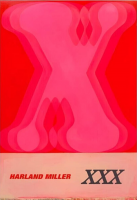
Harland Miller
XXX, 2023
Limited Edition Print
Silkscreen
Inquire For Price
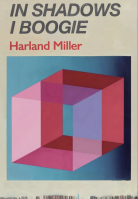
Harland Miller
In Shadows I Boogie - Blue, 2019
Limited Edition Print
Etching
GBP 5,000 - 7,000
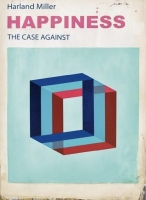
Harland Miller
Happiness (small), 2017
Limited Edition Print
Intaglio
Inquire For Price

Harland Miller
Hell... It's Only Forever 1 (Large), 2020
Limited Edition Print
Woodcut
USD 25,000 - 35,000
Related Artists


Related Articles

Popular, Art Movements - May 05, 2022
Minimalism in the XX Century: Simple Gestures and Essential Ideas.
Explore Minimalism in the 20th century, from art to architecture. Discover its evolution, pioneers like Donald Judd, and its impact on modern creativity. Read More

What is Lettrism?
Lettrism is an art form that uses letters, words, and symbols to create artwork. The movement was established in Paris in the 1940s and later gained popularity in the 1950s in America. Lettrisme is the French spelling of the movement's name, derived from the French word for letter.