
Screenprint in colours on Coventry Rag paper
Glenn Ligon's America (2015) is a limited edition screen-print on Coventry Rag paper, measuring 24.5 x 32 inches. The artwork features the word AMERICA prominently displayed in bold, capital letters, set against a distressed, textured black background. The print’s surface shows intentional wear and fragmentation, evoking a sense of decay and highlighting themes of identity, race, and history within the American context. The rough texture and the broken appearance of the text create a powerful visual statement, aligning with Ligon's exploration of language and its impact on cultural and social narratives. This work invites viewers to reflect on the complexity and duality of the American experience.
Artwork Copyright © Glenn LigonGlenn Ligon (United States, 1960) is a conceptual artist whose work delves into race, language, and identity. Renowned for his text-based paintings, he draws from literary sources like James Baldwin and Zora Neale Hurston. Ligon's art critically examines American history and culture, challenging perceptions and narratives.
Artwork Copyright © Glenn LigonAmerica , 2015
Form
Medium
Size
- Inches
- Centimeters
Edition
Price
Available works →
- Authenticity Guaranteed
- Insured Shipping
- Online Since 2005
●
●Inventory 11271
●Hand signed
●Comes with gallery invoice and certificate
●Sell Us a Similar Artwork. Learn more.
Screenprint in colours on Coventry Rag paper
Glenn Ligon's America (2015) is a limited edition screen-print on Coventry Rag paper, measuring 24.5 x 32 inches. The artwork features the word AMERICA prominently displayed in bold, capital letters, set against a distressed, textured black background. The print’s surface shows intentional wear and fragmentation, evoking a sense of decay and highlighting themes of identity, race, and history within the American context. The rough texture and the broken appearance of the text create a powerful visual statement, aligning with Ligon's exploration of language and its impact on cultural and social narratives. This work invites viewers to reflect on the complexity and duality of the American experience.
Artwork Copyright © Glenn LigonGlenn Ligon (United States, 1960) is a conceptual artist whose work delves into race, language, and identity. Renowned for his text-based paintings, he draws from literary sources like James Baldwin and Zora Neale Hurston. Ligon's art critically examines American history and culture, challenging perceptions and narratives.
Artwork Copyright © Glenn Ligon- Recently Added
- Price (Low-High)
- Price (High-Low)
- Year (Low-High)
- Year (High-Low)

Glenn Ligon
America , 2015
Limited Edition Print
Screen-print
Currently Not Available
Related Artists

Related Articles

Art Movements - June 23, 2023
Night Voices for Hidden Stories: Unlocking the Marginal Root of Queer Art
Explore the roots of queer art, its transformative role in challenging norms, and its impact on culture through powerful expressions of identity and activism.Read More
Popular, Artists, Collecting - September 8, 2026
Damien Hirst’s Spot Prints and the Language of Pharmaceuticals
Explore Damien Hirst Spot prints, from pharmaceutical etchings and woodcuts to later editions, with guidance on titles, edition sizes and signatures.Read More
Popular, News, Artists, Collecting - August 12, 2026
In Minor Keys: Finding Intimacy and Identity at the 61st Venice Biennale — and in Your Collection
Explore how Koyo Kouoh’s 61st Venice Biennale vision, In Minor Keys, is shifting contemporary collecting toward quiet introspection, memory, and personal identity.Read More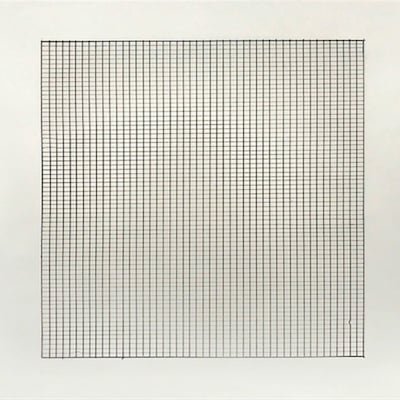
Artwork by Agnes Martin
What is minimalism?
Minimalism is a style in music and visual arts characterized by pared-down designs and simplicity. It began in Western art after World War II, gaining prominence particularly in American visual arts. Minimalism draws heavily on aspects of modernism and is often viewed as a reaction against Abstract Expressionism, as well as a precursor to post-minimal art practices. Prominent minimalist artists include Agnes Martin, Donald Judd, Robert Morris, Frank Stella, and Dan Flavin.

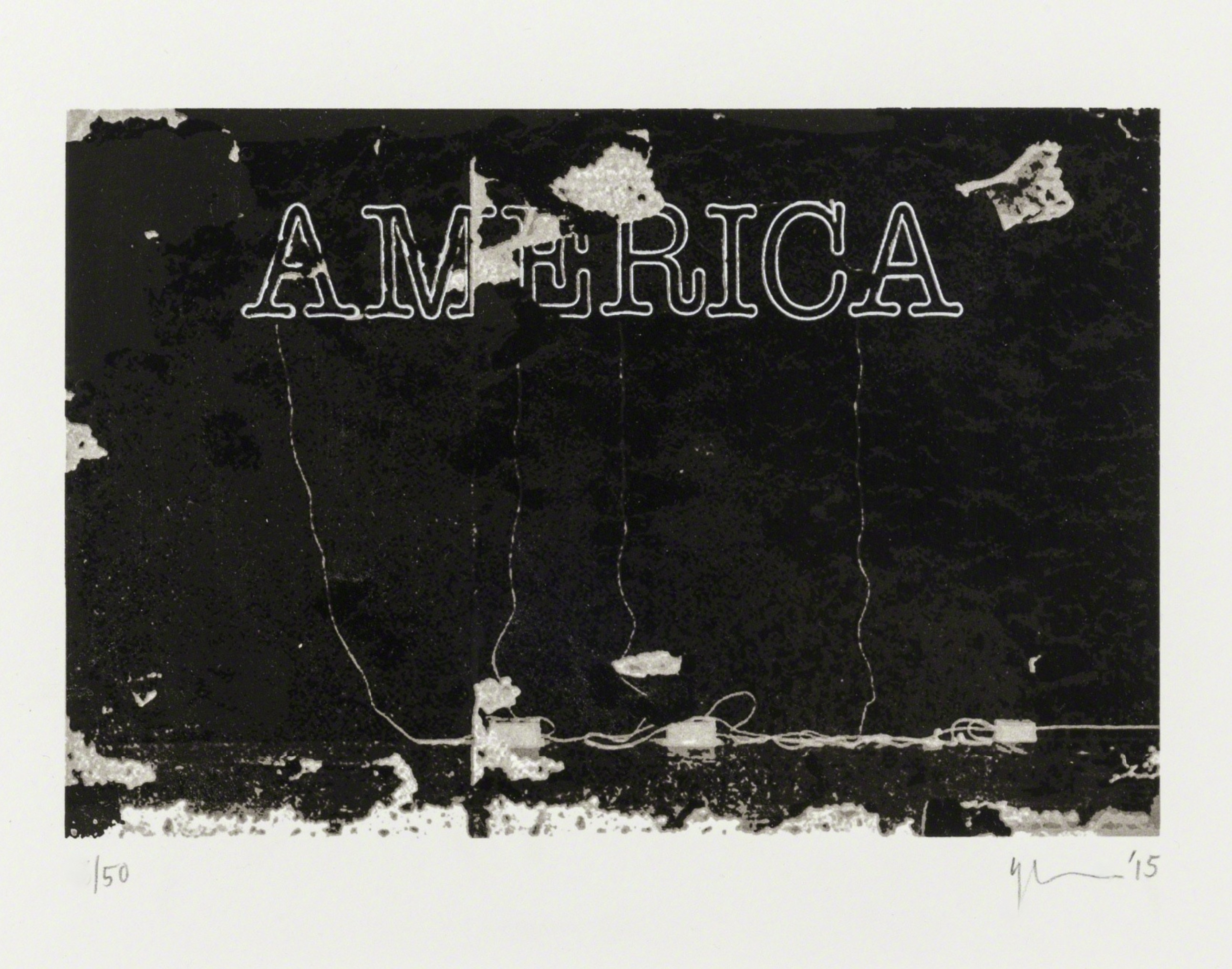
Glenn Ligon
America , 2015
24.5 x 32 cm


