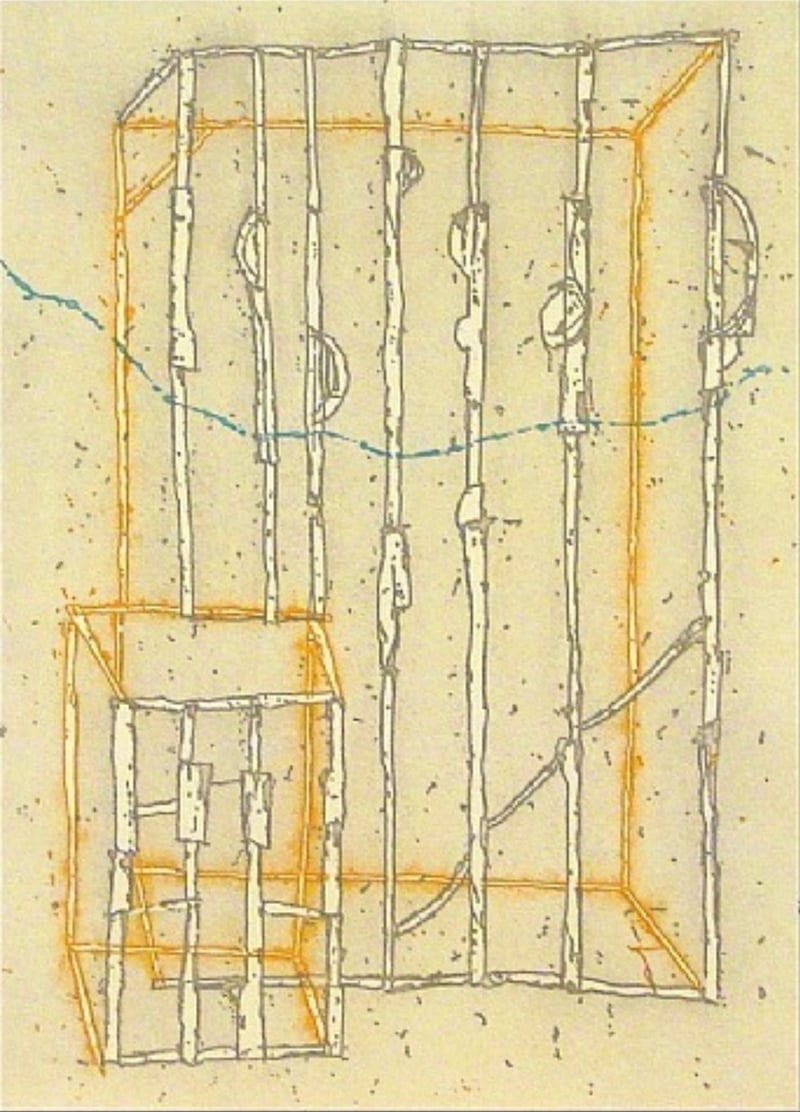
Edition of 75 + 10 HC - Signed and numbered by the artist in pencil - Published by Poligrafia, Spain - In excellent condition
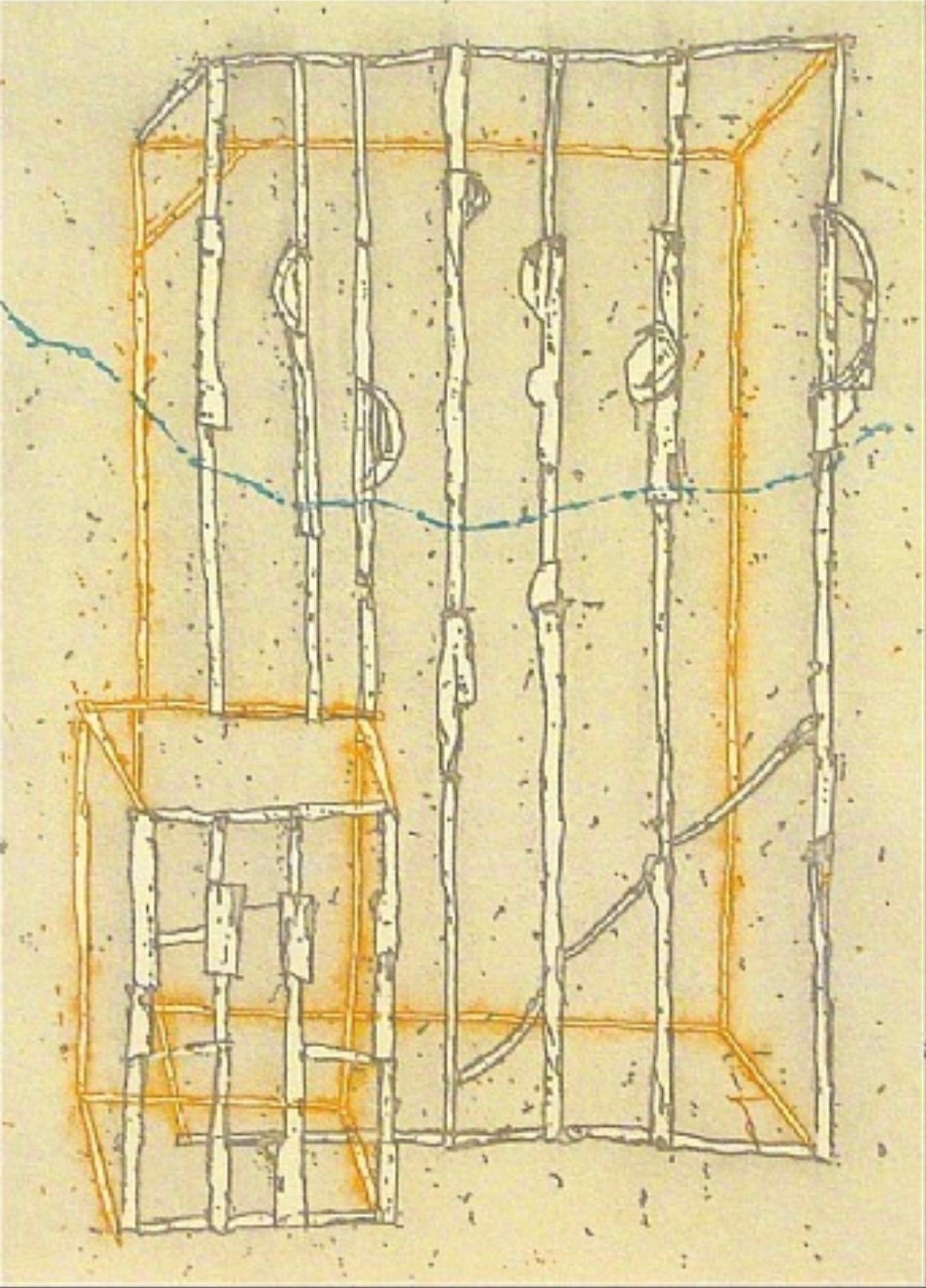
Untitled, #2 by Craig Kauffman, an etching from 1988, presents a minimalistic and abstract composition that explores structure and line. Published by Poligrafia in Spain, this limited edition print features a collection of geometric forms outlined in thin, hand-drawn lines in shades of gray and orange. The etching depicts two cage-like structures, one large and one small, giving an impression of confinement or containment. The simple linear quality, combined with a subtle, textured background, adds depth and creates a contemplative, open-ended narrative. Kauffman’s work is often associated with minimalism and abstraction, and in this piece, he invites viewers to ponder space, form, and the boundaries within them.
Artwork Copyright © Craig KauffmanCraig Kauffman (USA, 1932–2010) was a pioneering artist of the Light and Space movement. Renowned for his acrylic wall reliefs, he used industrial materials to create luminous, abstract works that explored perception and spatial experience. His art is held in prominent collections, including MoMA and Tate Modern.
Artwork Copyright © Craig KauffmanUntitled, #2, 1988
Form
Medium
Size
- Inches
- Centimeters
Edition
Price
- USD
- EUR
- GBP
- CHF
- Authenticity Guaranteed
- Insured Shipping
- Online Since 2005
●Inventory 8013
●Signed
●Comes with gallery invoice and certificate
●Sell Us a Similar Artwork. Learn more.
Edition of 75 + 10 HC - Signed and numbered by the artist in pencil - Published by Poligrafia, Spain - In excellent condition
Untitled, #2 by Craig Kauffman, an etching from 1988, presents a minimalistic and abstract composition that explores structure and line. Published by Poligrafia in Spain, this limited edition print features a collection of geometric forms outlined in thin, hand-drawn lines in shades of gray and orange. The etching depicts two cage-like structures, one large and one small, giving an impression of confinement or containment. The simple linear quality, combined with a subtle, textured background, adds depth and creates a contemplative, open-ended narrative. Kauffman’s work is often associated with minimalism and abstraction, and in this piece, he invites viewers to ponder space, form, and the boundaries within them.
Artwork Copyright © Craig KauffmanCraig Kauffman (USA, 1932–2010) was a pioneering artist of the Light and Space movement. Renowned for his acrylic wall reliefs, he used industrial materials to create luminous, abstract works that explored perception and spatial experience. His art is held in prominent collections, including MoMA and Tate Modern.
Artwork Copyright © Craig Kauffman- Recently Added
- Price (Low-High)
- Price (High-Low)
- Year (Low-High)
- Year (High-Low)
Craig Kauffman
Untitled, #2, 1988
Limited Edition Print
Etching
USD 1,800
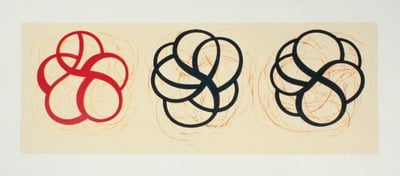
Craig Kauffman
Red, Black, Black, 1999
Limited Edition Print
Lithograph
USD 2,200
Related Artists

Related Articles
Popular, Artists, Art Movements, Collecting - August 23, 2026
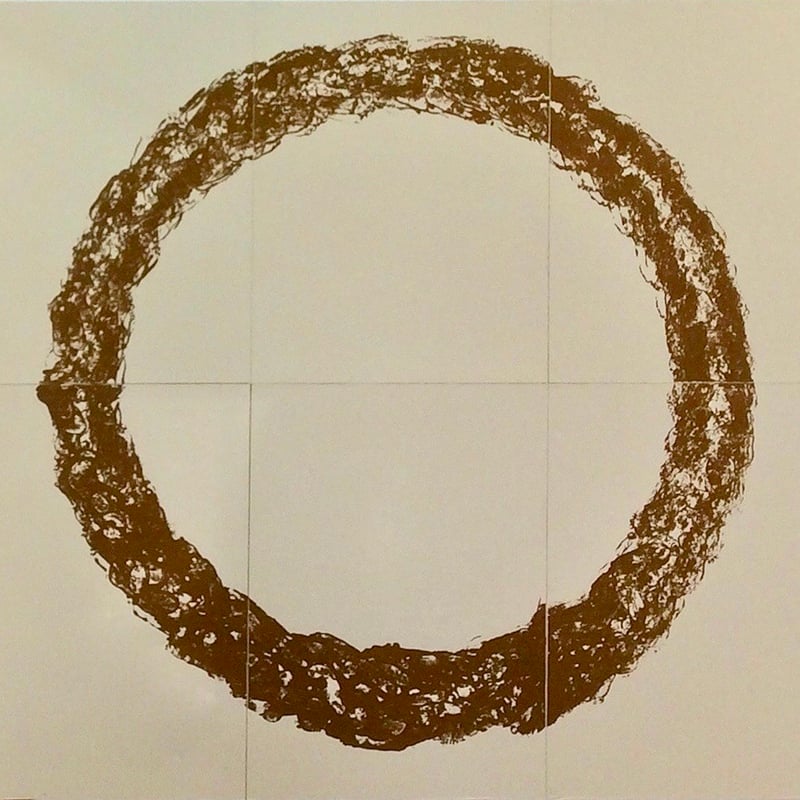
The ZERO Movement: Collecting Günther Uecker and the Art of a New Beginning
Explore the ZERO Movement and learn how to collect Günther Uecker editions, from embossed prints and sand works to multiples, provenance and condition.Read More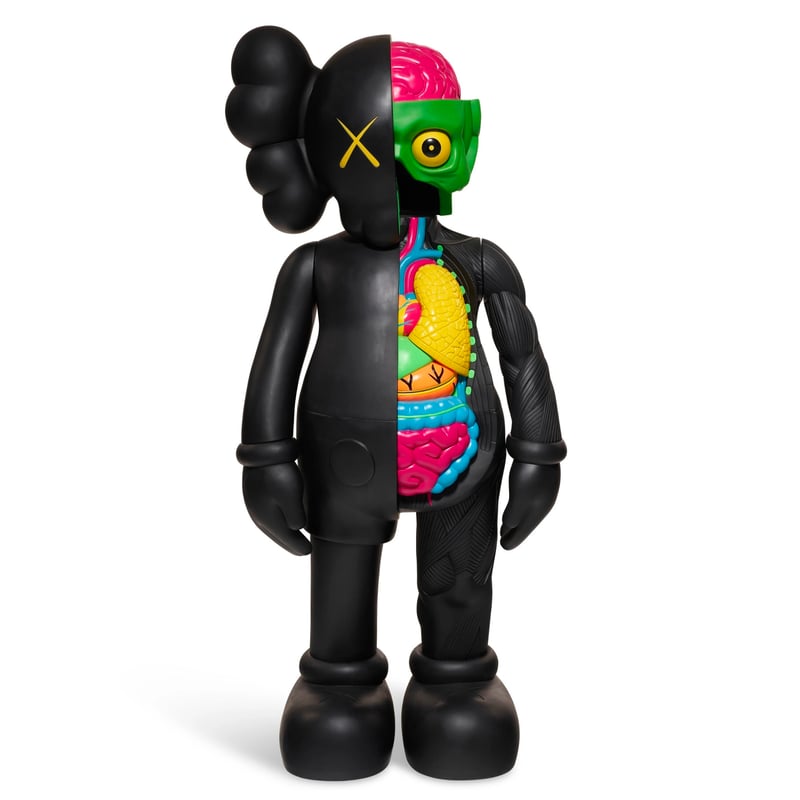
Popular, Artists, Collecting - September 1, 2026
KAWS Companion Editions: Vinyl, Four Foot and Dissected
A collector’s guide to KAWS Companion editions, from the 1999 Bounty Hunter vinyl figure to Four Foot, Dissected, Sorayama and Star Wars releases.Read More
Popular, News, Artists, Collecting - August 12, 2026
In Minor Keys: Finding Intimacy and Identity at the 61st Venice Biennale — and in Your Collection
Explore how Koyo Kouoh’s 61st Venice Biennale vision, In Minor Keys, is shifting contemporary collecting toward quiet introspection, memory, and personal identity.Read More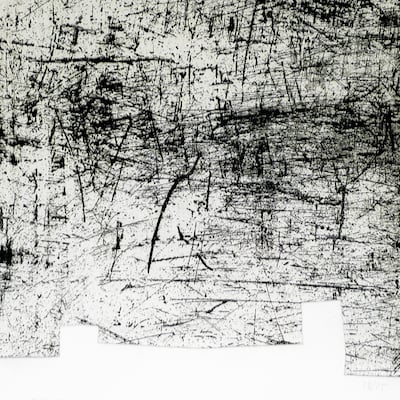
Artwork by Eduardo Chillida
What is abstract art?
Abstract art uses form, shape, line, and color to create a visual experience without attempting to represent external reality. The composition exists independently of the world's visual references, focusing on expressing ideas and emotions through non-representational means.
Craig Kauffman
Untitled, #2, 1988
76.2 x 55.9 cm


