
¿Qué es una intervención artística?
La Intervención Artística se refiere a arte creado con la intención de interactuar con una situación, estructura, obra de arte, audiencia o institución existente. Esta forma de arte se hizo popular en la década de 1960, cuando los artistas buscaban provocar cambios en contextos políticos y sociales. El concepto de programas de Artista en Residencia se inspiró en las ideas y prácticas de este movimiento.
Disrupting the frame
Art intervention begins from a simple refusal: the refusal to accept an existing situation — a public square, a museum wall, a political narrative — as fixed. Its roots reach back to the Situationist International of the 1950s, whose tactic of détournement (hijacking existing images and spaces) fed directly into the happenings and Fluxus events of the 1960s. Rather than adding a new object to the world, the intervening artist alters something already there, and the alteration is the work.
Joseph Beuys pushed this furthest with his idea of social sculpture — art as the reshaping of society itself. His 7000 Oaks, begun at Documenta 7 in Kassel in 1982, paired seven thousand tree plantings with basalt stones, permanently changing a city under the banner of art.
"Every human being is an artist."
Joseph Beuys
Turning on the institution
By the 1970s the museum itself became the target. Hans Haacke's 1971 exposé of a New York slumlord's property holdings caused the Guggenheim to cancel his exhibition — the cancellation becoming part of the work's meaning. Daniel Buren's striped columns, Les Deux Plateaux (1986), inserted a contemporary grid into the historic Palais-Royal in Paris to fierce public debate. In 1992, Fred Wilson's Mining the Museum rearranged the Maryland Historical Society's own collection to expose histories of slavery the institution had left unspoken — an intervention made entirely of someone else's objects.
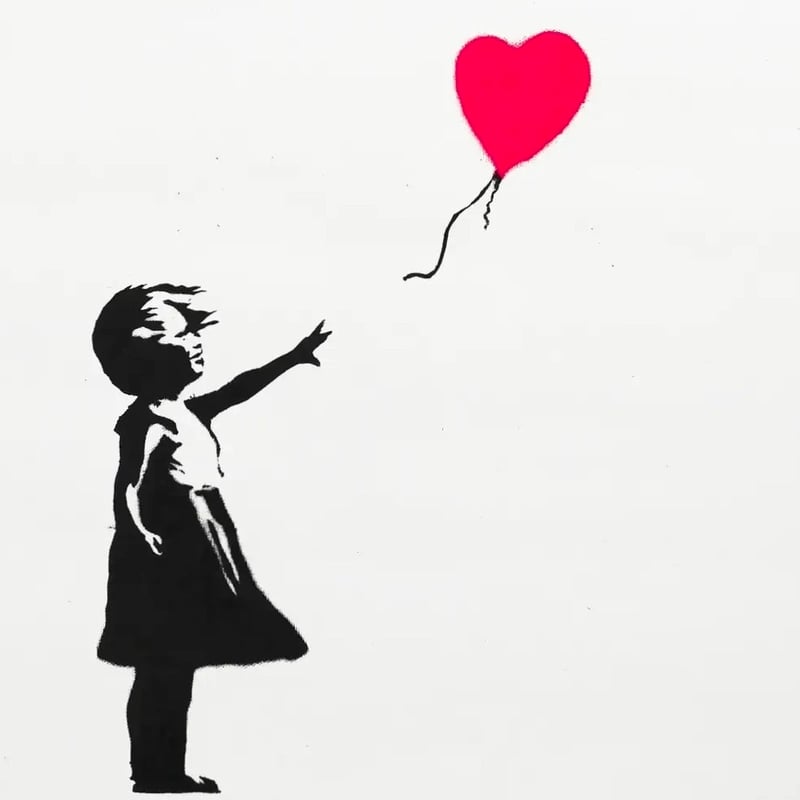
The tradition continues in more mischievous registers. The Guerrilla Girls have pasted statistics about museum sexism onto city walls since 1985. In 2005 Banksy smuggled his own doctored artworks into the Met, MoMA and the British Museum, hanging them unnoticed among the collections — the British Museum later formally welcomed his hoax cave painting into its holdings. For collectors, this history matters: intervention is a lineage, and knowing where a work sits within it is central to understanding what makes it significant.
What you actually own
An intervention usually happens once, in a specific place, and cannot be sold as such. What enters the market is the material around the act: documentary photographs and video, preparatory drawings, scores or instructions, posters, ephemera, and physical fragments. This is not a lesser form of the work — for many interventions, documentation is the deliberate, artist-sanctioned form in which the piece survives. Gordon Matta-Clark's building cuts of the 1970s exist today as photographs, films and salvaged architectural fragments held by major museums. Christo and Jeanne-Claude famously financed their vast temporary projects entirely through the sale of preparatory drawings and collages, which remain the collectible core of their practice.
When considering a purchase, establish exactly which category the object belongs to: a photograph editioned and signed by the artist, a unique preparatory study, a relic authenticated by the artist or estate, or mere memorabilia. The price gap between these categories is enormous, and the paperwork should make the distinction explicit.
Authenticity and what to watch for
Because interventions occur outside the studio, authentication can be complicated. Certificates matter more here than in almost any other field: for conceptual and instruction-based works, the certificate often is the artwork in legal and market terms. Check that it comes from the artist, their studio, or the recognized estate or foundation.
Be especially cautious with works physically removed from their original context. Banksy's authentication body, Pest Control, declines to certify street pieces cut from walls, which severely limits their liquidity regardless of visual appeal — a useful warning that applies across the field. An intervention separated from its site loses much of its meaning, and often its market standing with it.
Finally, care for what you acquire. Documentation is frequently on fragile supports — vintage photographic prints, acidic poster stock, early video formats. Keep works framed with UV-filtering glazing, away from direct light and humidity, and retain every piece of accompanying paperwork. In this field more than most, the archive around the object is inseparable from its value.
Obras artísticas relacionadas con Intervención artística

Javacheff Christo
Puerta de Alcalá, envuelta /proyecto para Madrid, 1981
Print de edición limitada
Litografía
EUR 9,600
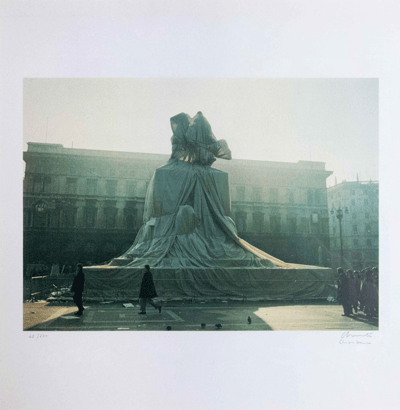
Javacheff Christo
Wrapped Monumento to Vittorio Emanuele, Piazza del Duomo, 1970
Print de edición limitada
Fotografía
EUR 2,400
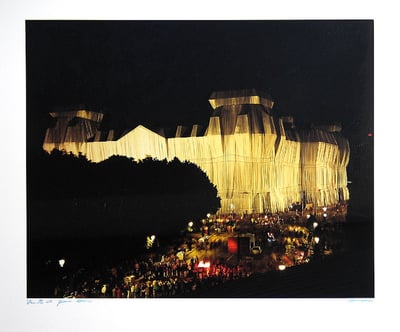
Javacheff Christo
Reichstag/Berlin Nacht, Wrapped, 1995
Print de edición limitada
Fotografía
EUR 10,000
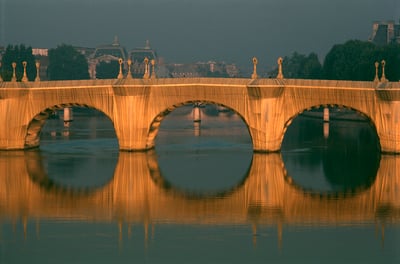
Javacheff Christo
The Pont Neuf Wrapped Reflecting Bridge PN-150, 1985
Print de edición limitada
Fotografía
EUR 14,000
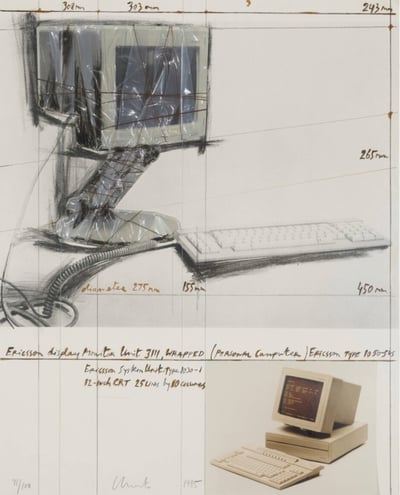
Javacheff Christo
Ericsson Display Monitor Unit 3111, Wrapped, Project for Personal Computer, 1985
Print de edición limitada
Litografía
USD 12,000
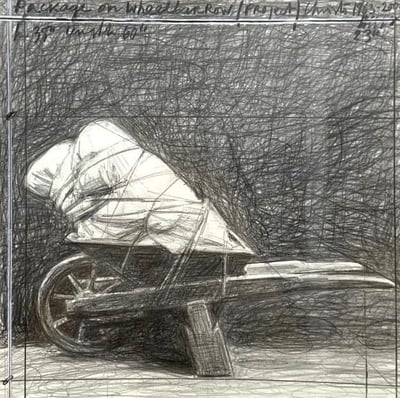
Javacheff Christo
Package on Wheelbarrow (project), 1963-2000
Dibujo / acuarela
Crayón
Consultar precio
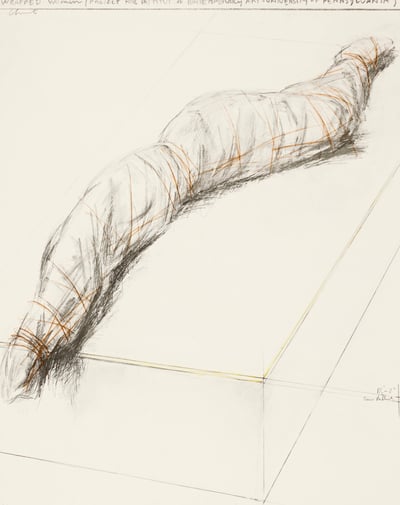
Javacheff Christo
Wrapped Woman, 1973
Print de edición limitada
Screen-print
USD 2,690
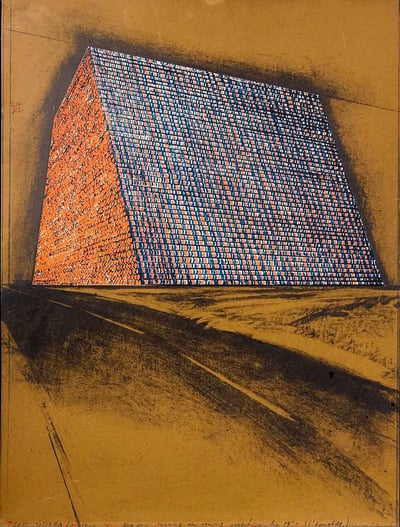
Javacheff Christo
Texas Mastaba, Project For 500,000 Stacked Oil Drums, 1971
Print de edición limitada
Litografía
USD 1,550
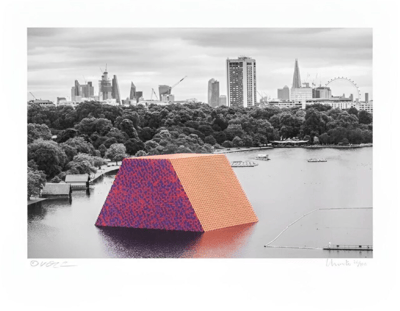
Javacheff Christo
The London Mastaba, 2018
Fotografía
Impresiones giclée
GBP 3,300
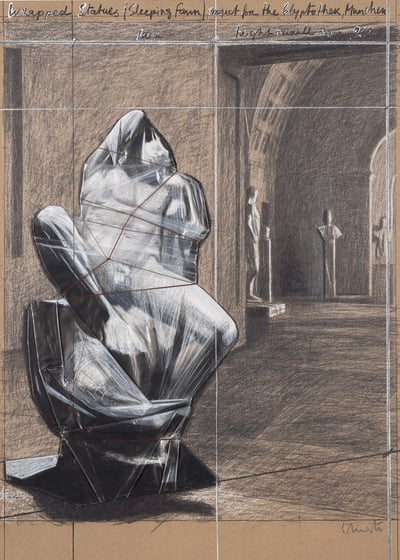
Javacheff Christo
Wrapped Statues, Sleeping Fawn, Project for the Glyptothek, 2001
Print de edición limitada
Técnica mixta
EUR 9,000

Javacheff Christo
Puerta de Alcalá, Wrapped; Project for Madrid, 1981
Print de edición limitada
Litografía
Actualmente no disponible
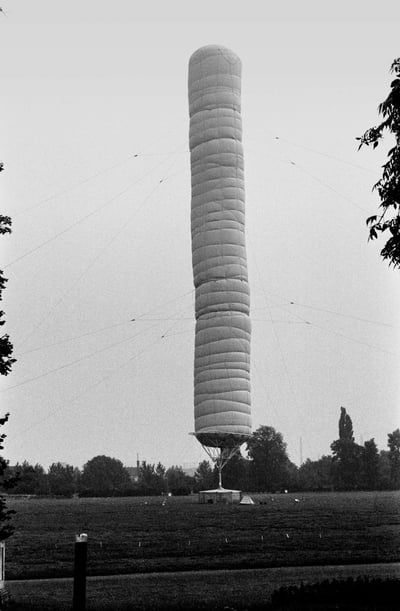
Javacheff Christo
Documenta Kassel KA-D68, 1968
Fotografía
Impression de inyección de tinta
EUR 4,400
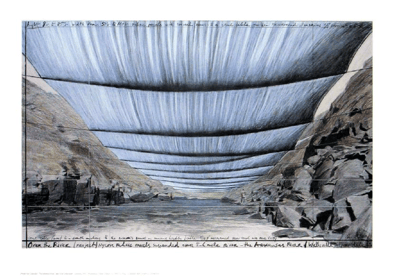
Javacheff Christo
Over The River Project V Under, 1992
Print de edición limitada
Impresión offset
USD 1,450
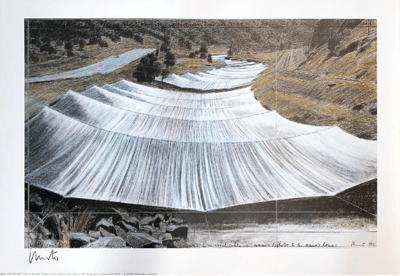
Javacheff Christo
Over The River Project V, 1992
Print de edición limitada
Impresión offset
USD 1,400
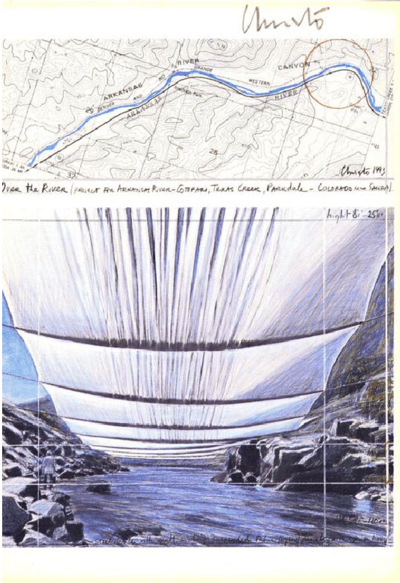
Javacheff Christo
Over The River Project IV, 1993
Print de edición limitada
Impresión offset
USD 1,400
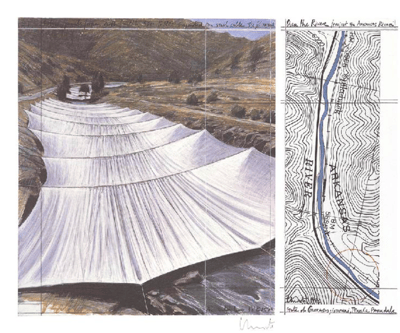
Javacheff Christo
Over The River Project III, 1993
Print de edición limitada
Impresión offset
USD 1,400
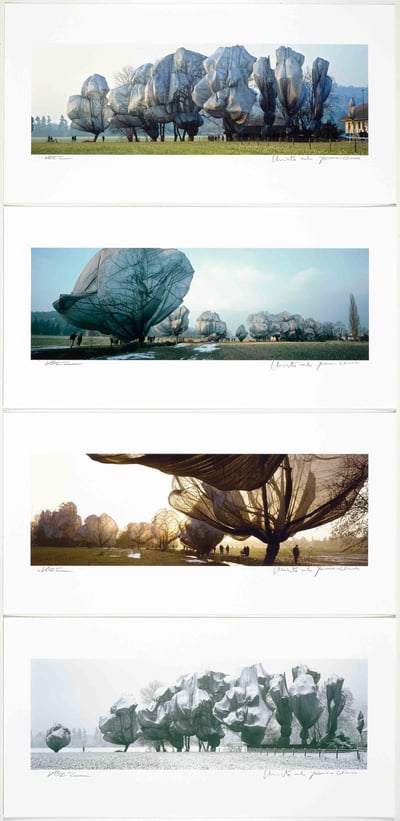
Javacheff Christo
Wrapped Trees Portfolio, 1997-1998
Print de edición limitada
Fotografía
EUR 15,500

Javacheff Christo
Running Fence Sunset RF-352, 1976
Print de edición limitada
Fotografía
EUR 11,000
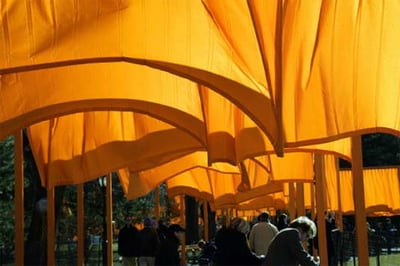
Javacheff Christo
The Gates II, 2005
Print de edición limitada
Fotografía
EUR 8,900
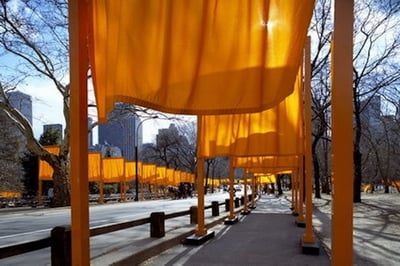
Javacheff Christo
The Gates I, 2005
Print de edición limitada
Fotografía
EUR 8,900

Javacheff Christo
The Gates IV, 2005
Fotografía
Fotografía
EUR 4,500
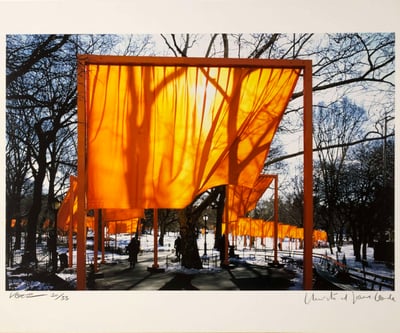
Javacheff Christo
The Gates III, 2005
Fotografía
Fotografía
Actualmente no disponible
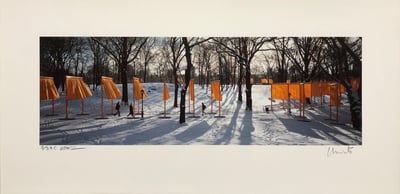
Javacheff Christo
The Gates längs und quer M2, 2005
Fotografía
Fotografía
EUR 6,000
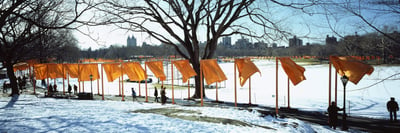
Javacheff Christo
The Gates Lange Reihe M1, 2005
Fotografía
Fotografía
EUR 6,000
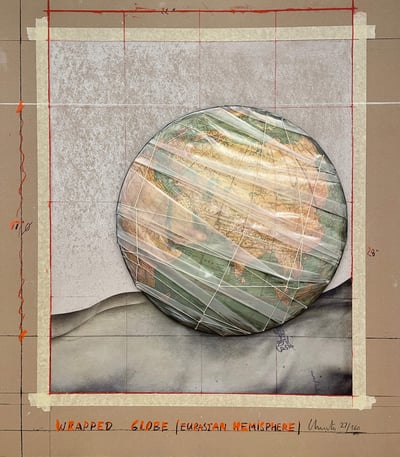
Javacheff Christo
Wrapped Globe, 2020
Print de edición limitada
Collage
EUR 21,900
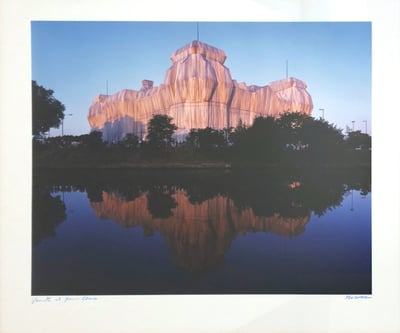
Javacheff Christo
Wrapped Reichstag/Berlin Nachmittag, 1995
Print de edición limitada
Fotografía
EUR 10,000
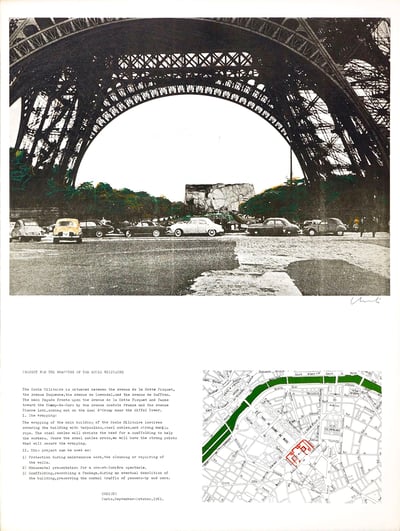
Javacheff Christo
Project Ecole Militaire, Paris, 1961
Print de edición limitada
Litografía
EUR 3,800
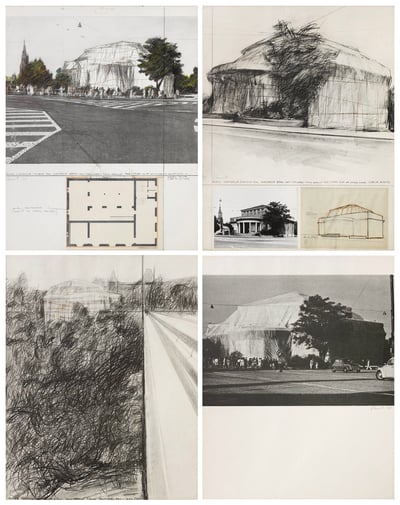
Javacheff Christo
Kunsthalle Bern, 1972
Print de edición limitada
Técnica mixta
EUR 18,000
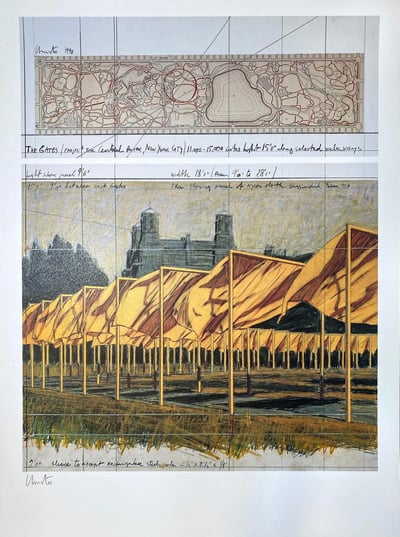
Javacheff Christo
The Gates Project for Central Park (III), 1990
Print de edición limitada
Impresión offset
Actualmente no disponible

Javacheff Christo
Over The River Project VI, 1992
Print de edición limitada
Impresión offset
USD 1,400
Términos relacionados
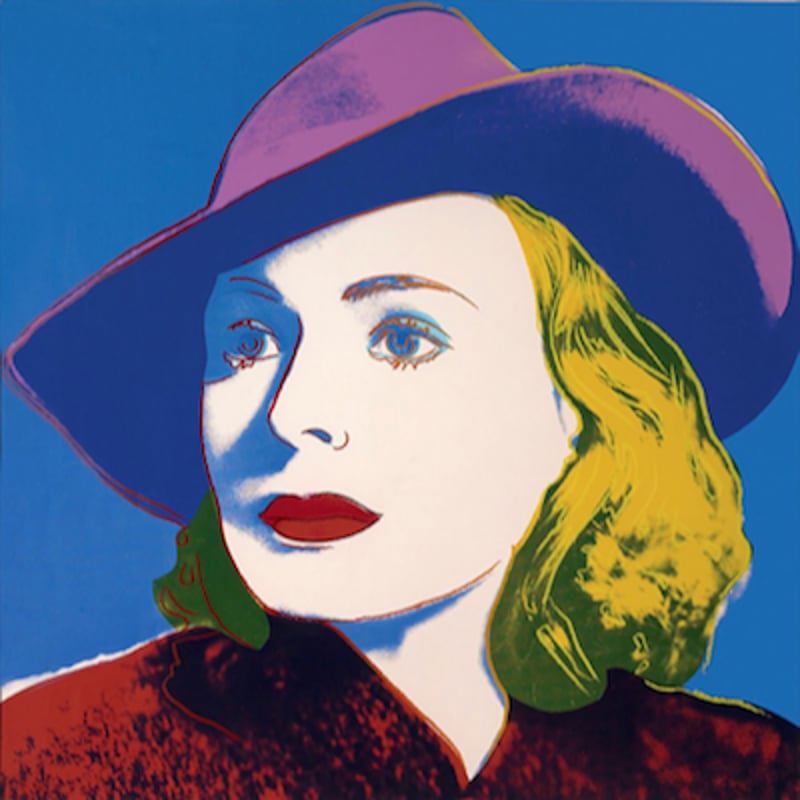
Arte Pop es un movimiento artístico que comenzó en Gran Bretaña en 1955 y a finales de la década de 1950 en los EE.UU. Desafió la tradición de las bellas artes al incorporar imágenes de la cultura popular, como noticias, publicidad y cómics. El Arte Pop a menudo aísla y recontextualiza materiales, combinándolos con elementos no relacionados. El movimiento se centra más en las actitudes e ideas que lo inspiraron que en el arte en sí. El Arte Pop se interpreta como una reacción contra las ideas dominantes del expresionismo abstracto, al introducir la cultura de consumo cotidiana en el ámbito del arte.

El arte contemporáneo se refiere al arte vanguardista o innovador creado en el pasado reciente o en la actualidad. El punto de inicio exacto del arte contemporáneo varía según la institución, a menudo relacionado con el año de fundación de museos o galerías que exhiben este estilo. El arte contemporáneo se caracteriza por su enfoque en ideas actuales, medios diversos y la exploración de nuevos conceptos y técnicas.
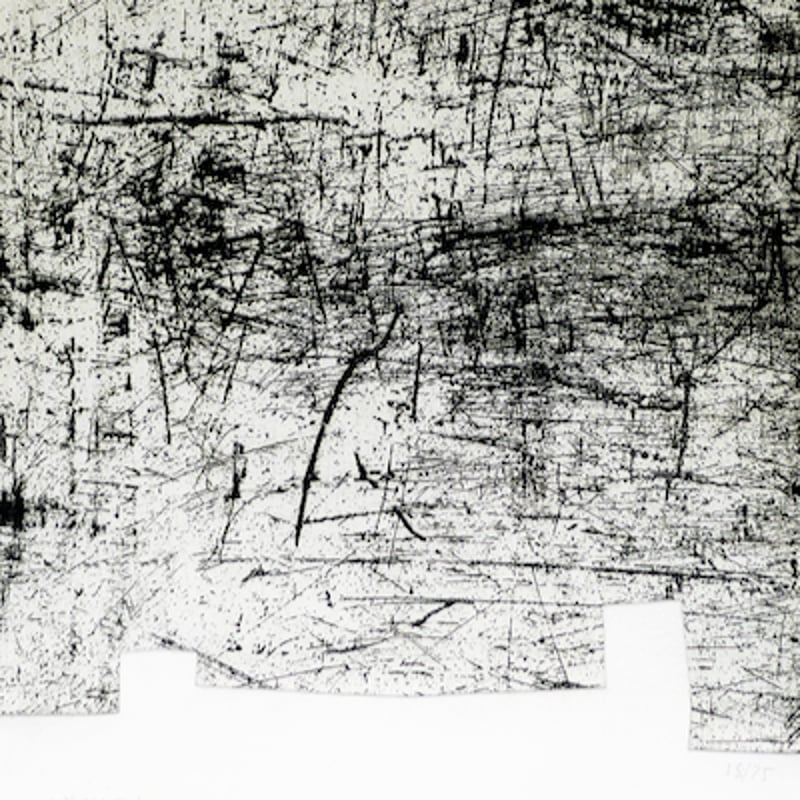
El arte abstracto utiliza formas, líneas y colores para crear una experiencia visual sin intentar representar la realidad externa. La composición existe de manera independiente de las referencias visuales del mundo, enfocándose en expresar ideas y emociones a través de medios no representativos.
Artículos relacionados
¿No encuentra una respuesta?
¡Gracias! Su pregunta ha sido enviada — nos pondremos en contacto con usted en breve.
