
Wat is kunstinterventie?
Kunstinterventie verwijst naar kunst die is gemaakt met de bedoeling in te grijpen in een bestaande situatie, structuur, kunstwerk, publiek of instelling. Deze vorm van kunst werd populair in de jaren 1960, toen kunstenaars verandering wilden teweegbrengen in politieke en sociale contexten. Het concept van Artist-in-Residence-programma's werd beïnvloed door de ideeën en praktijken van deze beweging.
Disrupting the frame
Art intervention begins from a simple refusal: the refusal to accept an existing situation — a public square, a museum wall, a political narrative — as fixed. Its roots reach back to the Situationist International of the 1950s, whose tactic of détournement (hijacking existing images and spaces) fed directly into the happenings and Fluxus events of the 1960s. Rather than adding a new object to the world, the intervening artist alters something already there, and the alteration is the work.
Joseph Beuys pushed this furthest with his idea of social sculpture — art as the reshaping of society itself. His 7000 Oaks, begun at Documenta 7 in Kassel in 1982, paired seven thousand tree plantings with basalt stones, permanently changing a city under the banner of art.
"Every human being is an artist."
Joseph Beuys
Turning on the institution
By the 1970s the museum itself became the target. Hans Haacke's 1971 exposé of a New York slumlord's property holdings caused the Guggenheim to cancel his exhibition — the cancellation becoming part of the work's meaning. Daniel Buren's striped columns, Les Deux Plateaux (1986), inserted a contemporary grid into the historic Palais-Royal in Paris to fierce public debate. In 1992, Fred Wilson's Mining the Museum rearranged the Maryland Historical Society's own collection to expose histories of slavery the institution had left unspoken — an intervention made entirely of someone else's objects.
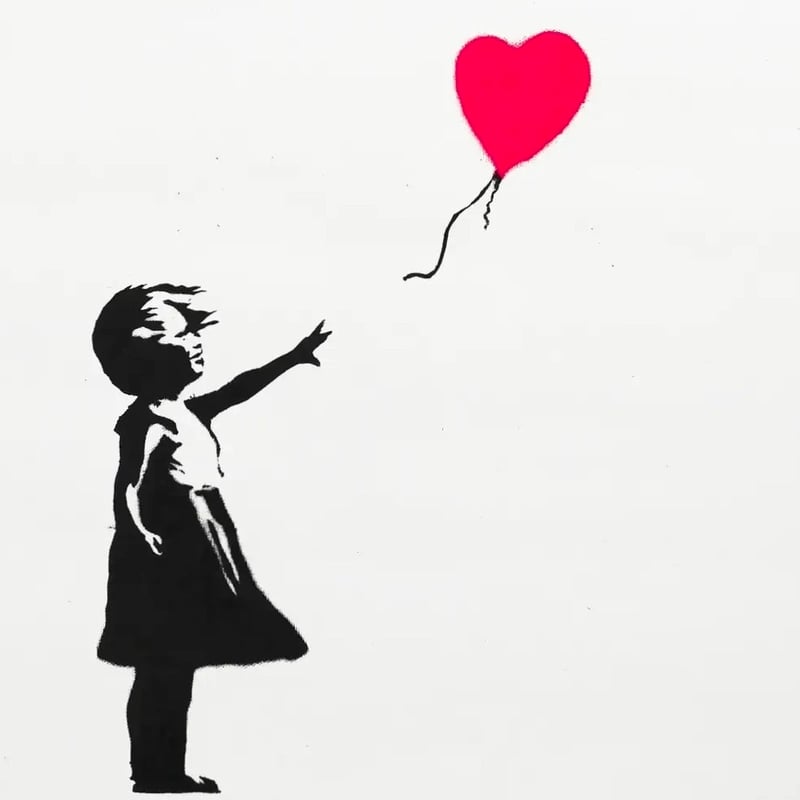
The tradition continues in more mischievous registers. The Guerrilla Girls have pasted statistics about museum sexism onto city walls since 1985. In 2005 Banksy smuggled his own doctored artworks into the Met, MoMA and the British Museum, hanging them unnoticed among the collections — the British Museum later formally welcomed his hoax cave painting into its holdings. For collectors, this history matters: intervention is a lineage, and knowing where a work sits within it is central to understanding what makes it significant.
What you actually own
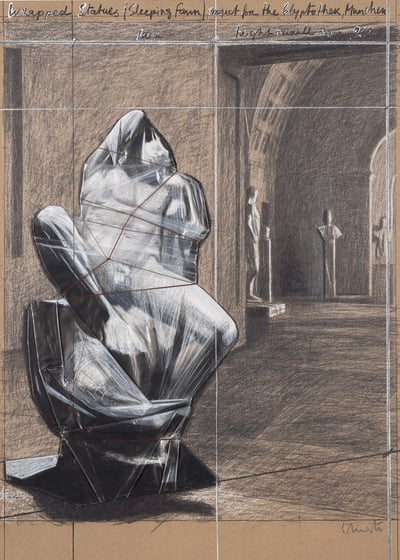
An intervention usually happens once, in a specific place, and cannot be sold as such. What enters the market is the material around the act: documentary photographs and video, preparatory drawings, scores or instructions, posters, ephemera, and physical fragments. This is not a lesser form of the work — for many interventions, documentation is the deliberate, artist-sanctioned form in which the piece survives. Gordon Matta-Clark's building cuts of the 1970s exist today as photographs, films and salvaged architectural fragments held by major museums. Christo and Jeanne-Claude famously financed their vast temporary projects entirely through the sale of preparatory drawings and collages, which remain the collectible core of their practice.
When considering a purchase, establish exactly which category the object belongs to: a photograph editioned and signed by the artist, a unique preparatory study, a relic authenticated by the artist or estate, or mere memorabilia. The price gap between these categories is enormous, and the paperwork should make the distinction explicit.
Authenticity and what to watch for
Because interventions occur outside the studio, authentication can be complicated. Certificates matter more here than in almost any other field: for conceptual and instruction-based works, the certificate often is the artwork in legal and market terms. Check that it comes from the artist, their studio, or the recognized estate or foundation.
Be especially cautious with works physically removed from their original context. Banksy's authentication body, Pest Control, declines to certify street pieces cut from walls, which severely limits their liquidity regardless of visual appeal — a useful warning that applies across the field. An intervention separated from its site loses much of its meaning, and often its market standing with it.
Finally, care for what you acquire. Documentation is frequently on fragile supports — vintage photographic prints, acidic poster stock, early video formats. Keep works framed with UV-filtering glazing, away from direct light and humidity, and retain every piece of accompanying paperwork. In this field more than most, the archive around the object is inseparable from its value.
Kunstwerken gerelateerd aan Kunst interventie

Javacheff Christo
Puerta de Alcalá, envuelta /proyecto para Madrid, 1981
Editie / Print
Lithografie
EUR 9,600
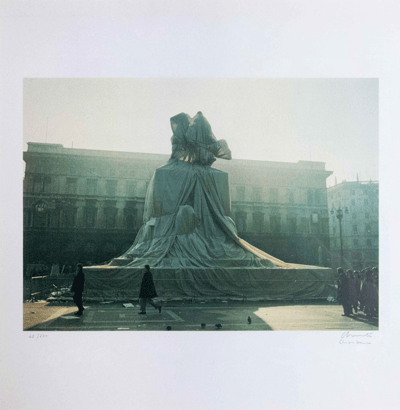
Javacheff Christo
Wrapped Monumento to Vittorio Emanuele, Piazza del Duomo, 1970
Editie / Print
Foto
EUR 2,400
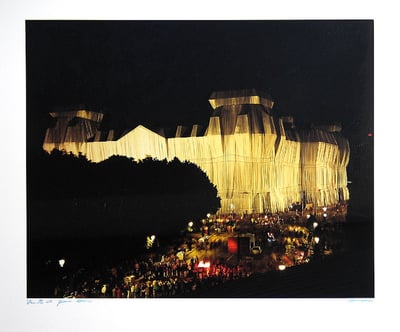
Javacheff Christo
Reichstag/Berlin Nacht, Wrapped, 1995
Editie / Print
Foto
EUR 10,000
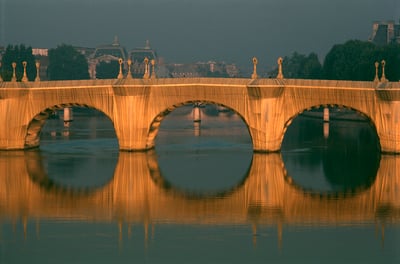
Javacheff Christo
The Pont Neuf Wrapped Reflecting Bridge PN-150, 1985
Editie / Print
Foto
EUR 14,000
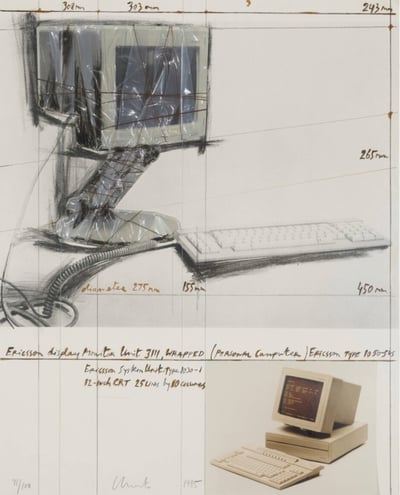
Javacheff Christo
Ericsson Display Monitor Unit 3111, Wrapped, Project for Personal Computer, 1985
Editie / Print
Lithografie
USD 12,000
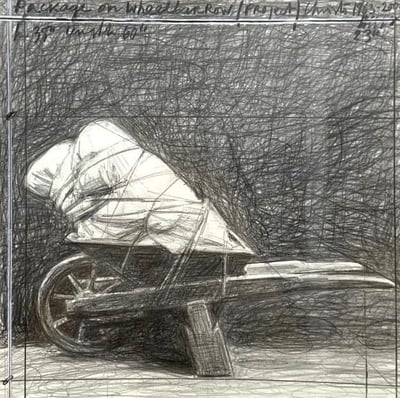
Javacheff Christo
Package on Wheelbarrow (project), 1963-2000
Tekening / waterverf
Crayon
Contacteer Ons
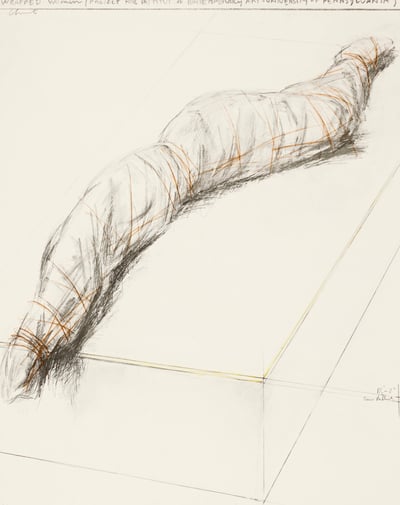
Javacheff Christo
Wrapped Woman, 1973
Editie / Print
Zeefdruk
USD 2,690
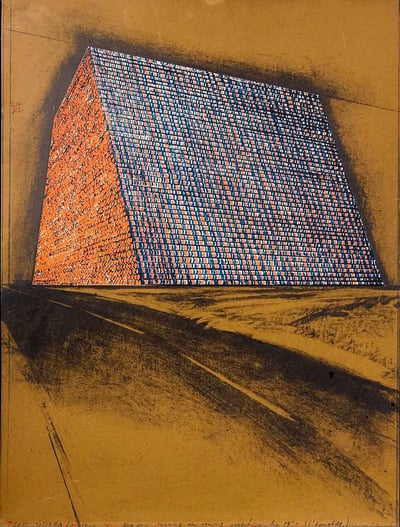
Javacheff Christo
Texas Mastaba, Project For 500,000 Stacked Oil Drums, 1971
Editie / Print
Lithografie
USD 1,550
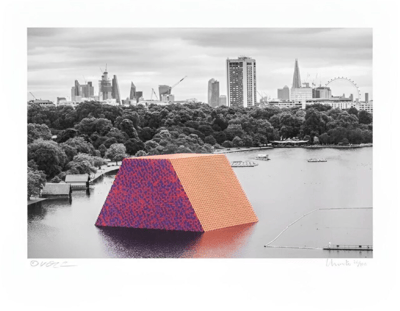
Javacheff Christo
The London Mastaba, 2018
Foto
Giclée print
GBP 3,300
Javacheff Christo
Wrapped Statues, Sleeping Fawn, Project for the Glyptothek, 2001
Editie / Print
Gemengde techniek.
EUR 9,000

Javacheff Christo
Puerta de Alcalá, Wrapped; Project for Madrid, 1981
Editie / Print
Lithografie
Momenteel niet beschikbaar
Javacheff Christo
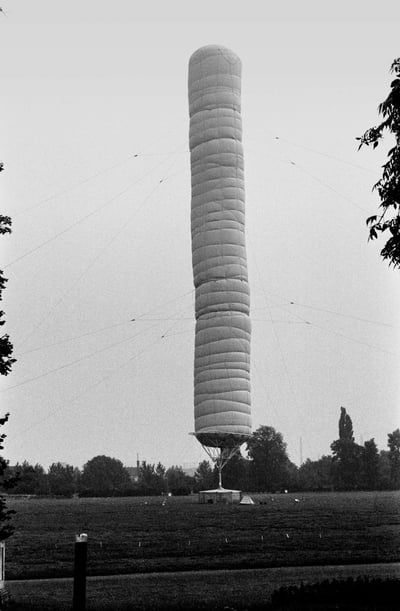
Documenta Kassel KA-D68, 1968
Foto
Inkjet print
EUR 4,400
Javacheff Christo
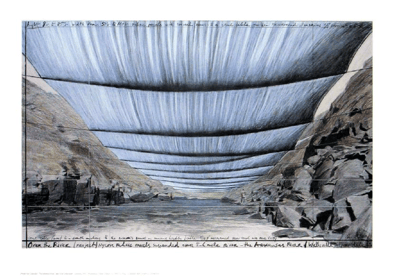
Over The River Project V Under, 1992
Editie / Print
Offset printen
USD 1,450
Javacheff Christo
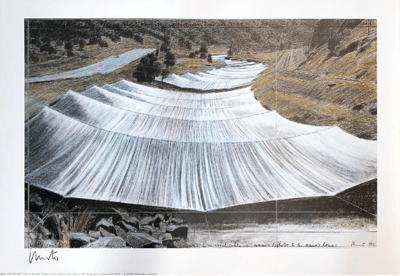
Over The River Project V, 1992
Editie / Print
Offset printen
USD 1,400
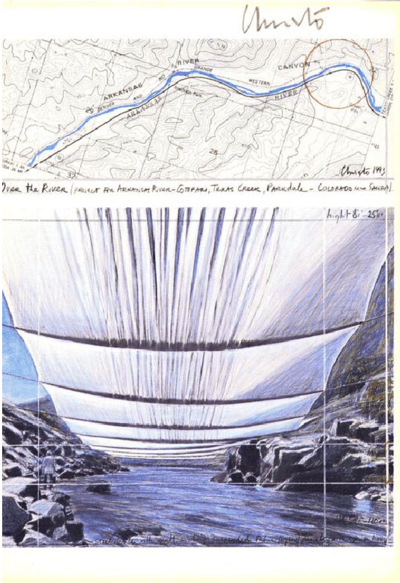
Javacheff Christo
Over The River Project IV, 1993
Editie / Print
Offset printen
USD 1,400
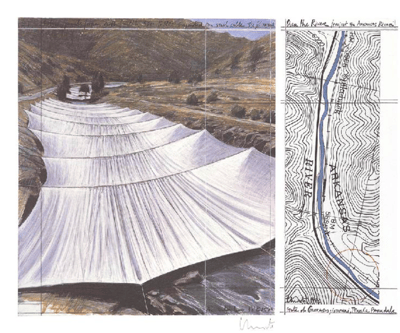
Javacheff Christo
Over The River Project III, 1993
Editie / Print
Offset printen
USD 1,400
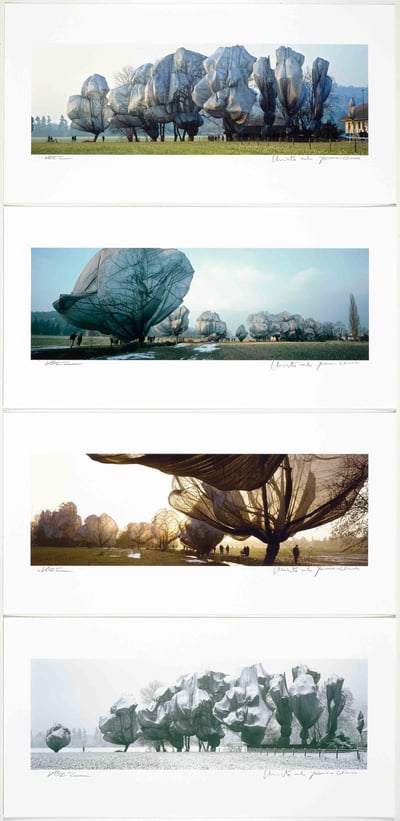
Javacheff Christo
Wrapped Trees Portfolio, 1997-1998
Editie / Print
Foto
EUR 15,500

Javacheff Christo
Running Fence Sunset RF-352, 1976
Editie / Print
Foto
EUR 11,000
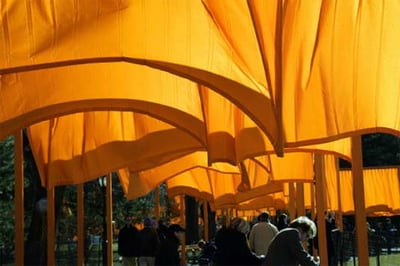
Javacheff Christo
The Gates II, 2005
Editie / Print
Foto
EUR 8,900
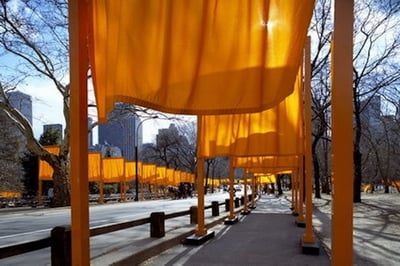
Javacheff Christo
The Gates I, 2005
Editie / Print
Foto
EUR 8,900

Javacheff Christo
The Gates IV, 2005
Foto
Foto
EUR 4,500
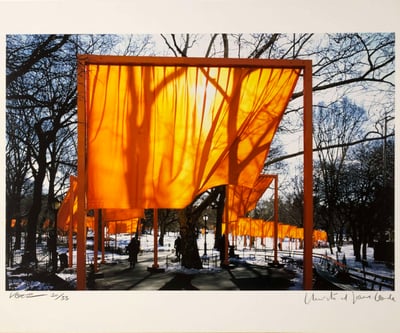
Javacheff Christo
The Gates III, 2005
Foto
Foto
Momenteel niet beschikbaar
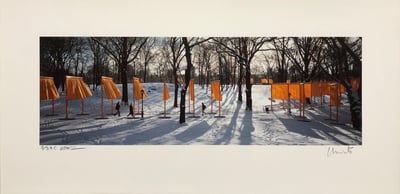
Javacheff Christo
The Gates längs und quer M2, 2005
Foto
Foto
EUR 6,000
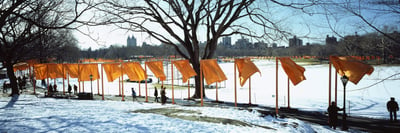
Javacheff Christo
The Gates Lange Reihe M1, 2005
Foto
Foto
EUR 6,000
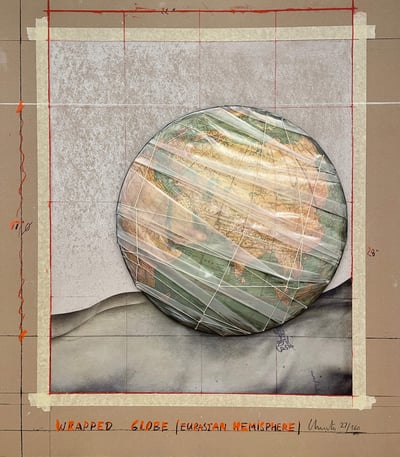
Javacheff Christo
Wrapped Globe, 2020
Editie / Print
Collage
EUR 21,900
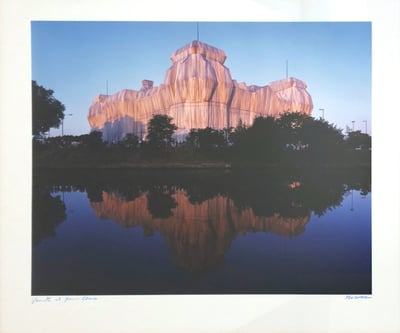
Javacheff Christo
Wrapped Reichstag/Berlin Nachmittag, 1995
Editie / Print
Foto
EUR 10,000
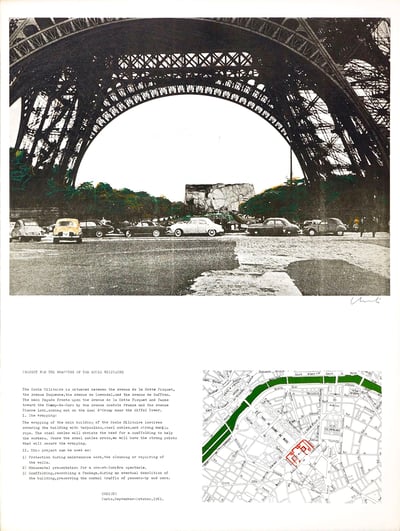
Javacheff Christo
Project Ecole Militaire, Paris, 1961
Editie / Print
Lithografie
EUR 3,800
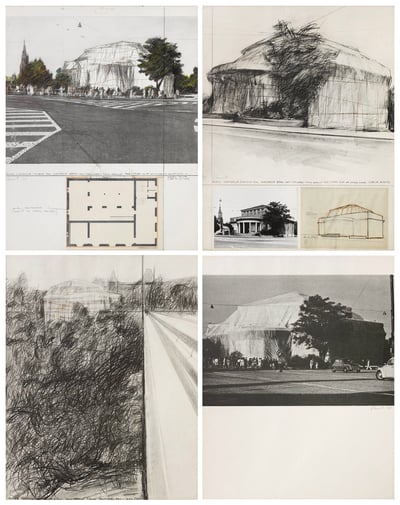
Javacheff Christo
Kunsthalle Bern, 1972
Editie / Print
Gemengde techniek.
EUR 18,000
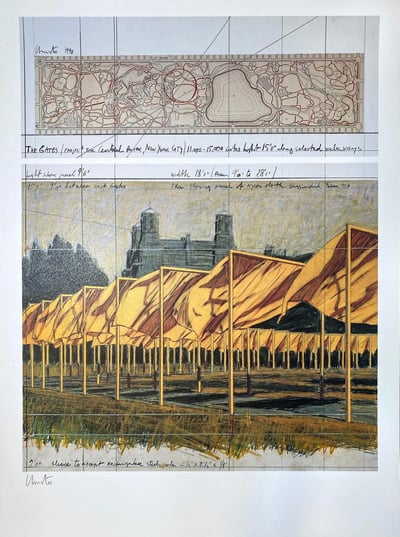
Javacheff Christo
The Gates Project for Central Park (III), 1990
Editie / Print
Offset printen
Momenteel niet beschikbaar

Javacheff Christo
Over The River Project VI, 1992
Editie / Print
Offset printen
USD 1,400
Verwante begrippen
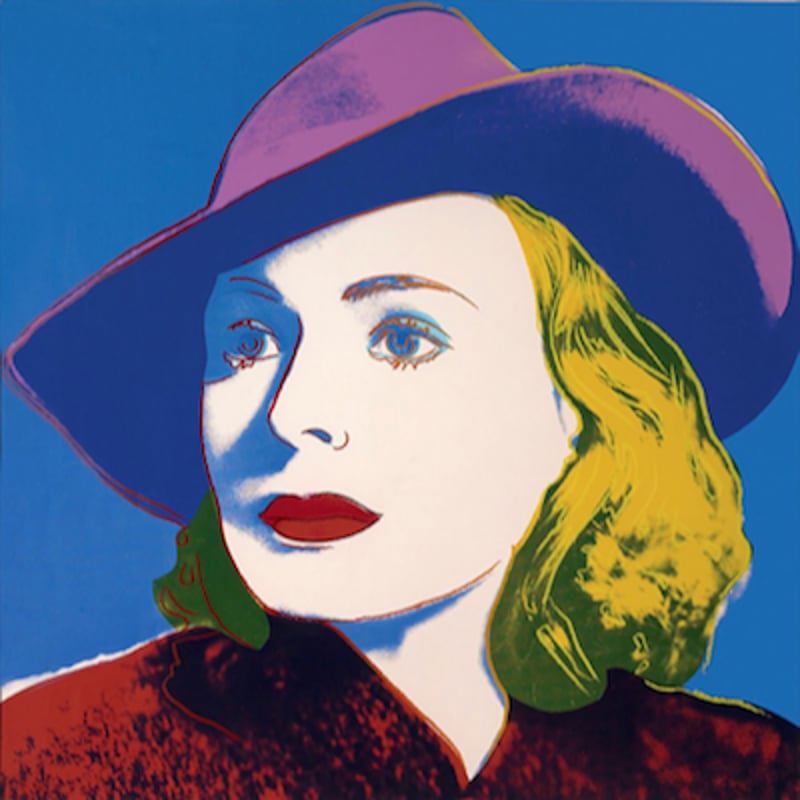
Popart is een kunstbeweging die in 1955 in Groot-Brittannië begon en eind jaren 1950 in de VS. Het daagde de traditionele beeldende kunst uit door afbeeldingen uit de populaire cultuur te gebruiken, zoals nieuws, reclame en stripboeken. Popart isoleert vaak materialen en plaatst ze in een nieuwe context, waarbij ze worden gecombineerd met niet-gerelateerde elementen. De beweging draait meer om de houding en ideeën die eraan ten grondslag liggen dan om de kunst zelf. Popart wordt gezien als een reactie op de dominante ideeën van het abstract expressionisme, waarbij alledaagse consumptiecultuur in de wereld van de beeldende kunst wordt gebracht.

Hedendaagse kunst verwijst naar avant-gardistische of innovatieve kunst die in het recente verleden of de huidige tijd is gemaakt. Het exacte beginpunt van hedendaagse kunst varieert afhankelijk van de instelling en wordt vaak gekoppeld aan het oprichtingsjaar van musea of galerijen die deze stijl tonen. Hedendaagse kunst wordt gekenmerkt door de nadruk op actuele ideeën, diverse media en de verkenning van nieuwe concepten en technieken.
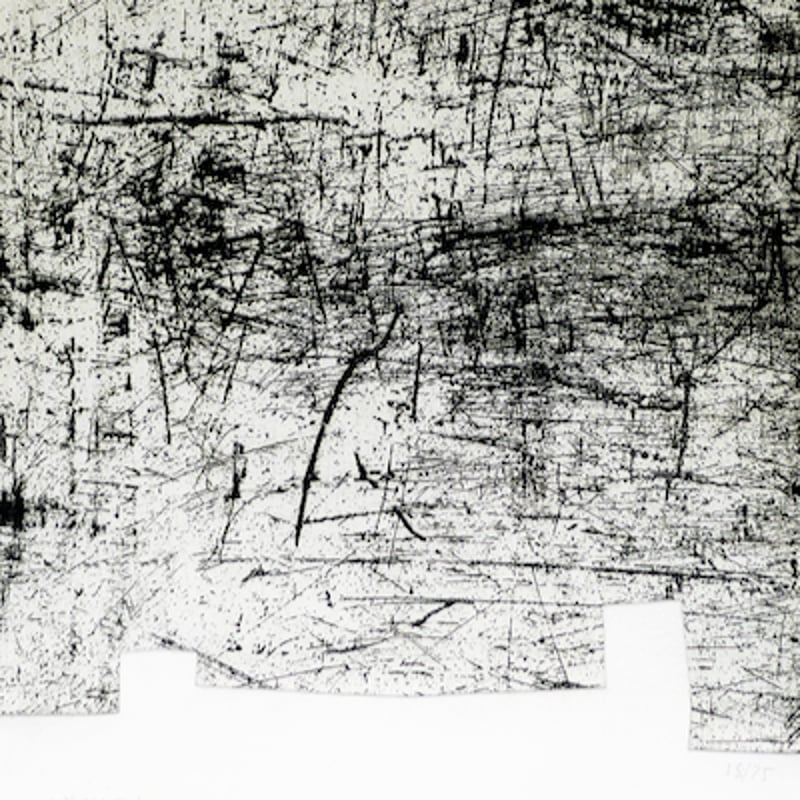
Abstracte kunst gebruikt vormen, lijnen en kleuren om een visuele ervaring te creëren zonder te proberen de externe realiteit weer te geven. De compositie bestaat onafhankelijk van visuele referenties uit de wereld en richt zich op het uitdrukken van ideeën en emoties via niet-figuratieve middelen.
Aanverwante artikels
Kunt u uw antwoord niet vinden?
Bedankt! Uw vraag is verzonden — we nemen spoedig contact met u op.
