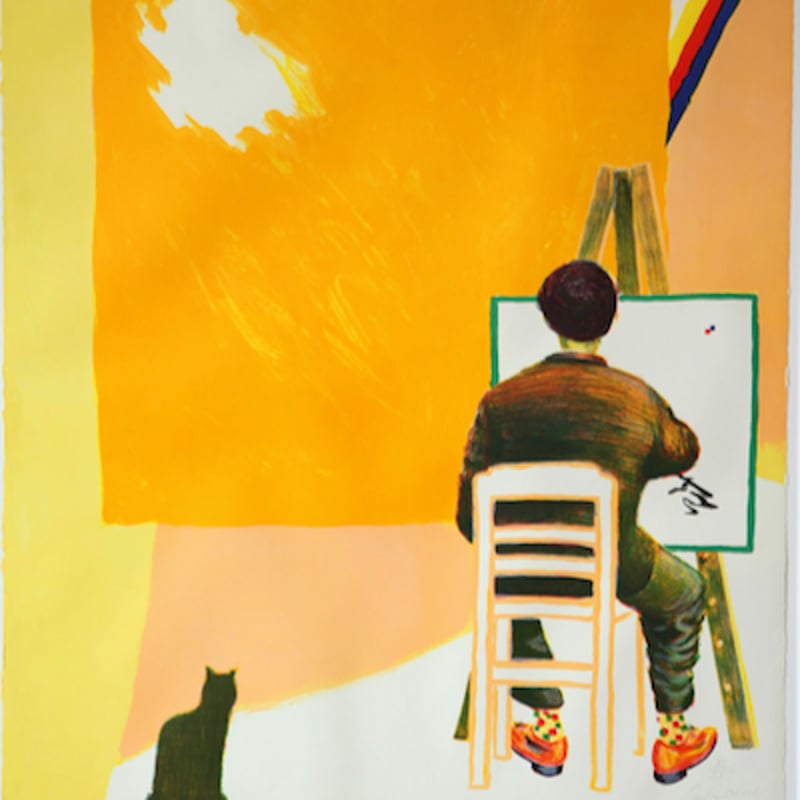
What is new figuration?
- Show All
- Established
- Discoveries
- Show All
Artworks Related to New Figuration
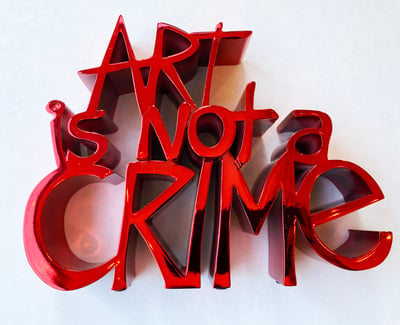
Mr. Brainwash
Art Is Not A Crime - Hard Candy (Red), 2021
Sculpture / Object
Resin
USD 1,300
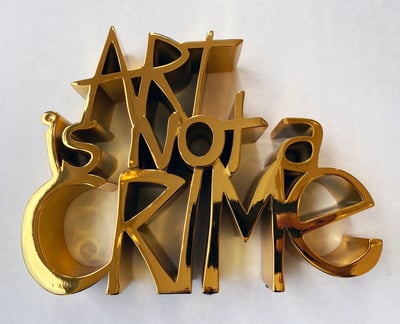
Mr. Brainwash
Art Is Not A Crime - Hard Candy (Gold), 2021
Sculpture / Object
Resin
USD 1,300
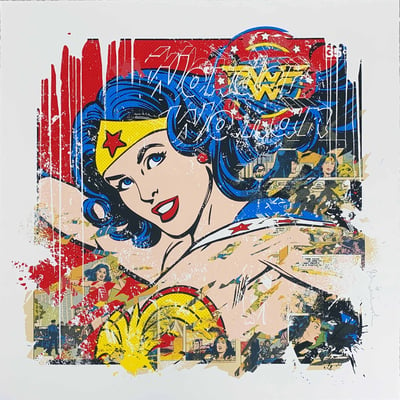
Mr. Brainwash
Shero, 2020
Limited Edition Print
Screen-print
USD 2,200
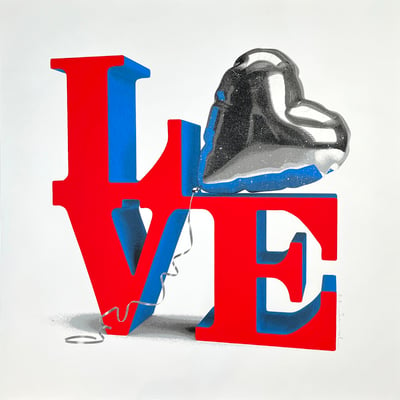
Mr. Brainwash
Monumental Love - Red, 2021
Limited Edition Print
Silkscreen
USD 3,000
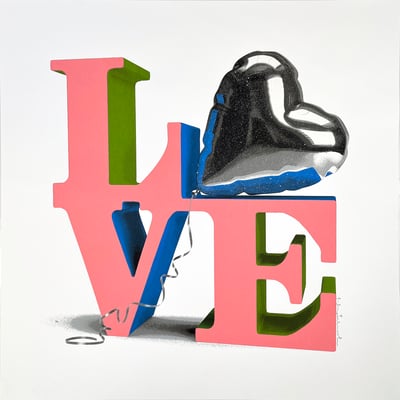
Mr. Brainwash
Monumental Love - Pink, 2021
Limited Edition Print
Silkscreen
USD 3,000
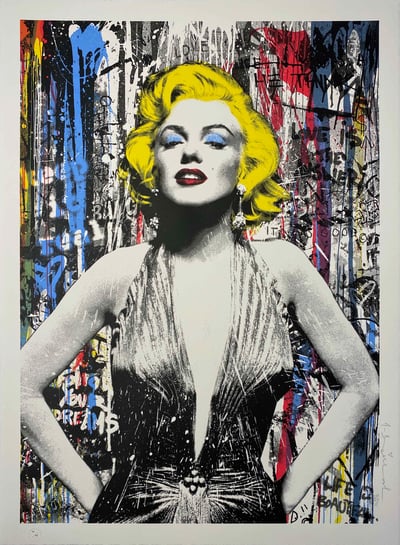
Mr. Brainwash
Marilyn For Ever, 2021
Limited Edition Print
Screen-print
USD 1,850
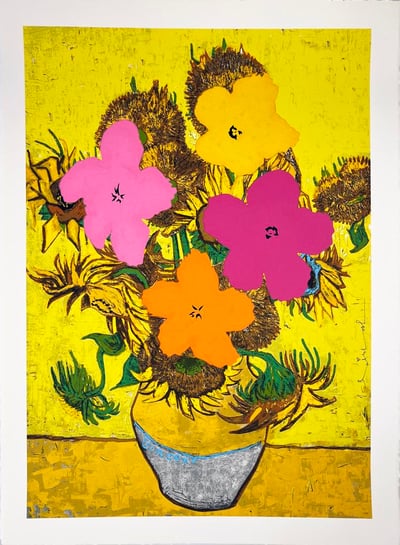
Mr. Brainwash
Flower and Sun, 2023
Limited Edition Print
Screen-print
USD 3,250
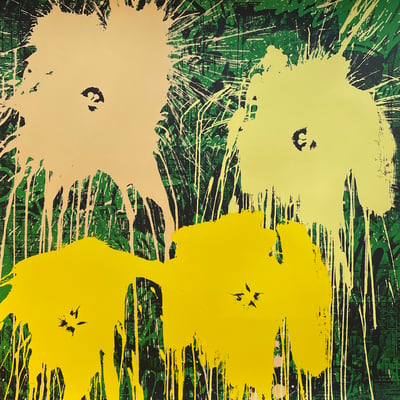
Mr. Brainwash
Flowarh$ - II (B, 2021
Limited Edition Print
Silkscreen
USD 5,700
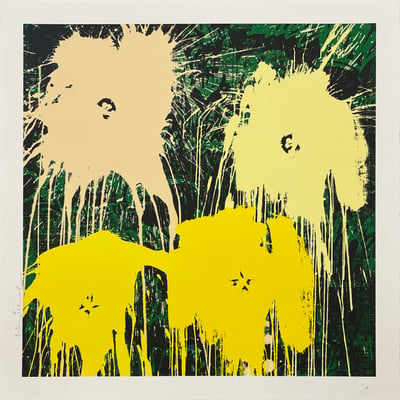
Mr. Brainwash
Flowarh$ - II (B), 2021
Limited Edition Print
Silkscreen
USD 2,750
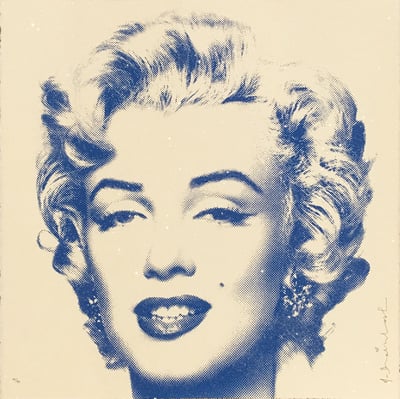
Mr. Brainwash
Diamond Girl - Blue, 2016
Limited Edition Print
Mixed Media
USD 3,000
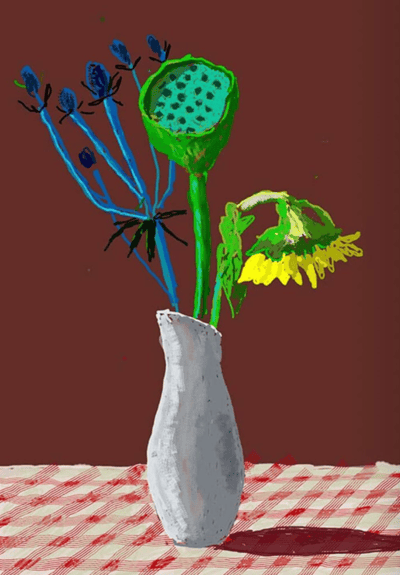
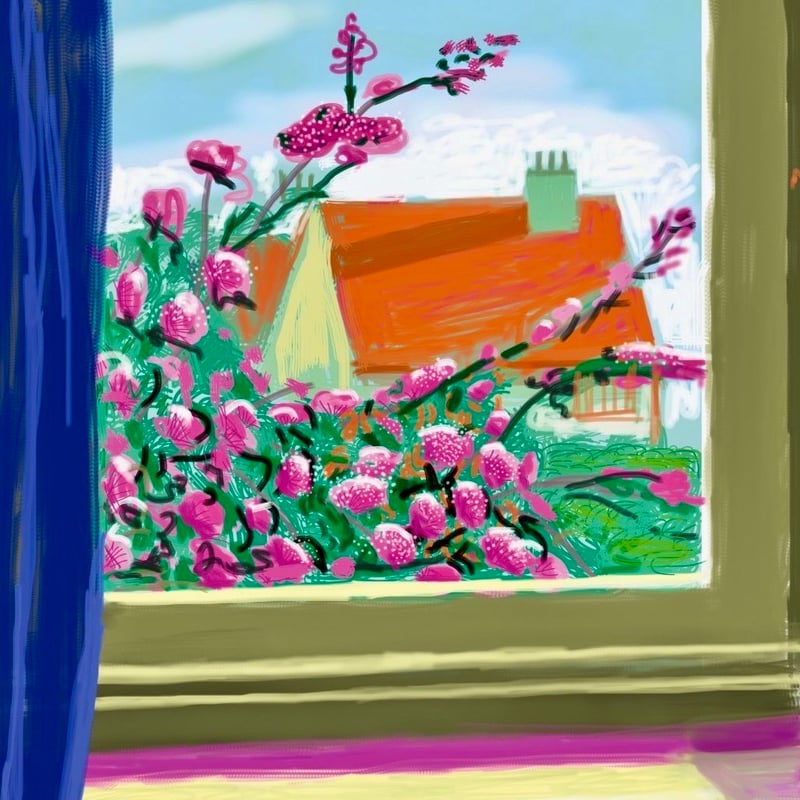
David Hockney
19th March 2021, Sunflower with Exotic Flower, 2021
Limited Edition Print
Digital print on canvas
Inquire For Price
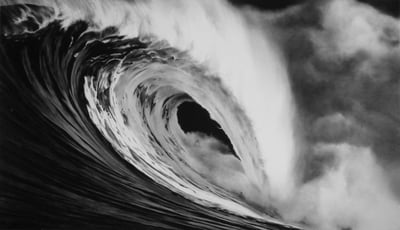
Robert Longo
Thunder Road, 2010
Limited Edition Print
Digital Print on paper
USD 21,200
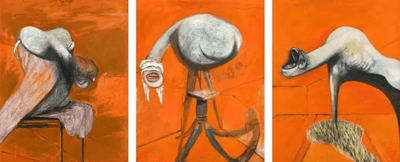
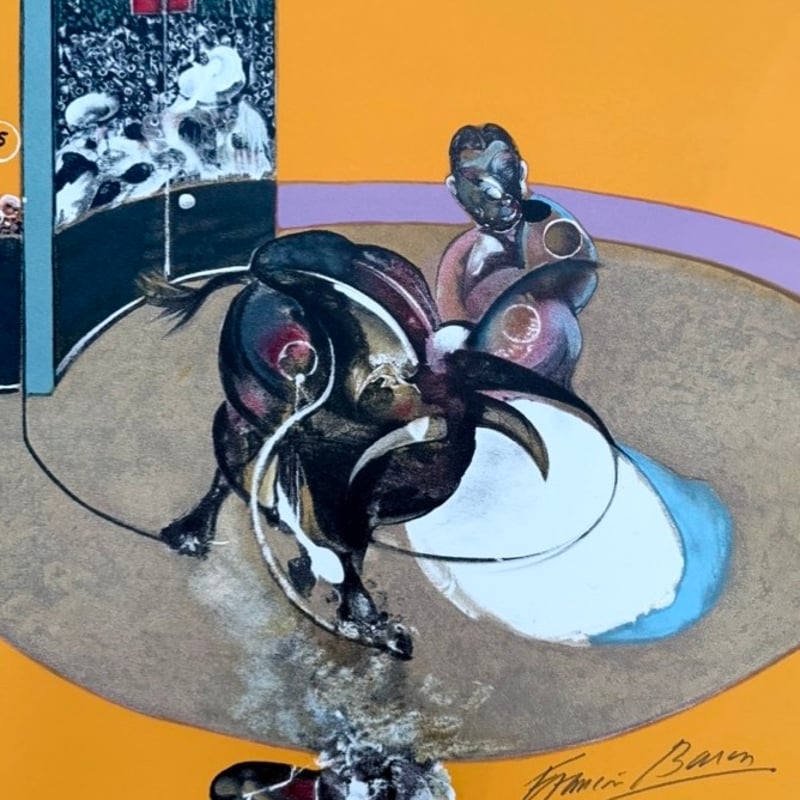
Francis Bacon
Three Studies for Figures at the Base of a Crucifixion, 2005
Limited Edition Print
Giclée printing
GBP 40,000 - 50,000
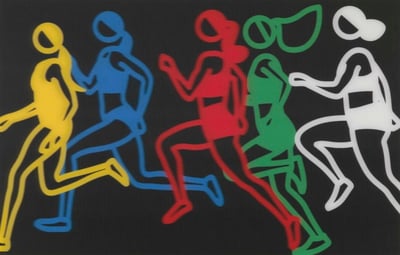
Julian Opie
Sprinters: Women sprinters 3, 2024
Limited Edition Print
Mixed Media
USD 12,000
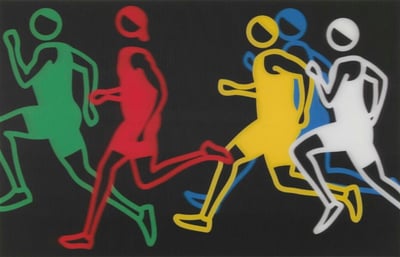
Julian Opie
Sprinters: Men sprinters 1, 2024
Limited Edition Print
Mixed Media
USD 12,000
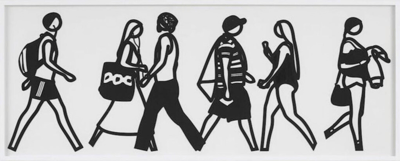
Julian Opie
Walking in Melbourne 6, 2018
Sculpture / Object
Mixed Media
Inquire For Price
Related Articles
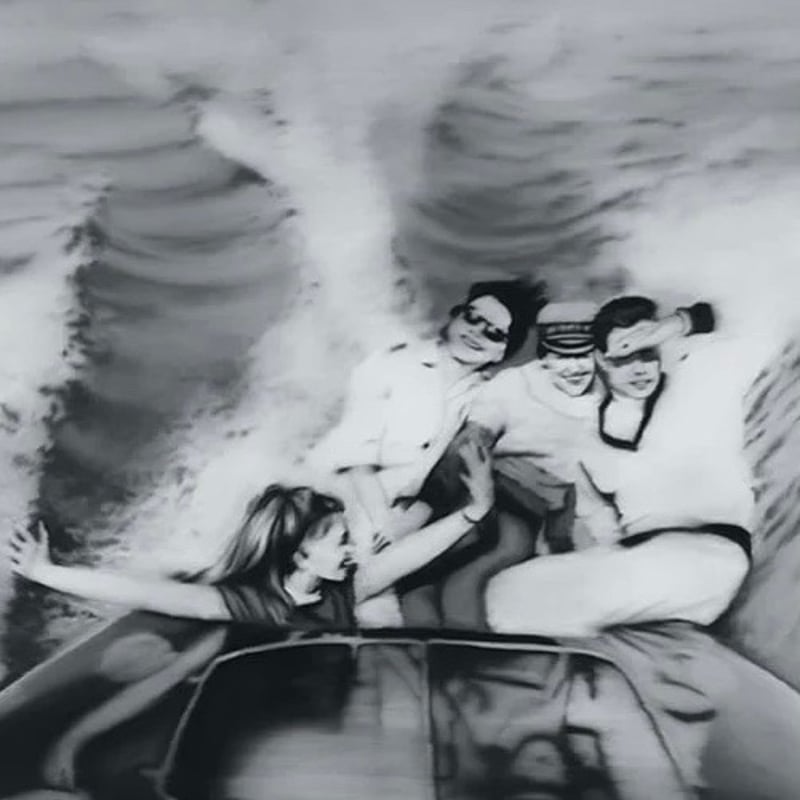

Grupo Frente was a movement founded in 1954 in Brazil by teaching artist Ivan Serpa. The movement included many students from the Rio de Janeiro Museum of Modern Art and sought to reject the nationalism and figuration present in the modernist forms of Brazilian painting. Grupo Frente emphasized experimentation and abstraction, aiming to explore new artistic possibilities beyond traditional constraints.

Transavanguardia is the Italian version of Neo-Expressionism, referring to an art movement that emerged in Italy and other parts of Western Europe during the 1970s and 1980s. The term translates to beyond the avant-garde. Transavanguardia arose as a reaction against the dominance of conceptual art, reintroducing emotion and reviving painting as a primary medium. The movement marked a return to mythic imagery and figurative art, celebrating a rediscovery of traditional forms and themes in a contemporary context.

Site-Specific Art is a form of artwork created to exist in a particular location, with the artist considering the site as an integral part of the creative process. Robert Irwin was a key figure in promoting this art form in California. Site-Specific Art emerged as a reaction against modernist objects, which were often portable, commodified, and confined to museum spaces. In contrast, Site-Specific Art is inherently tied to its location, challenging the traditional notions of art as a transportable and marketable commodity.
Can't find your Answer?
Thank you! Your question has been sent — we'll get back to you shortly.
