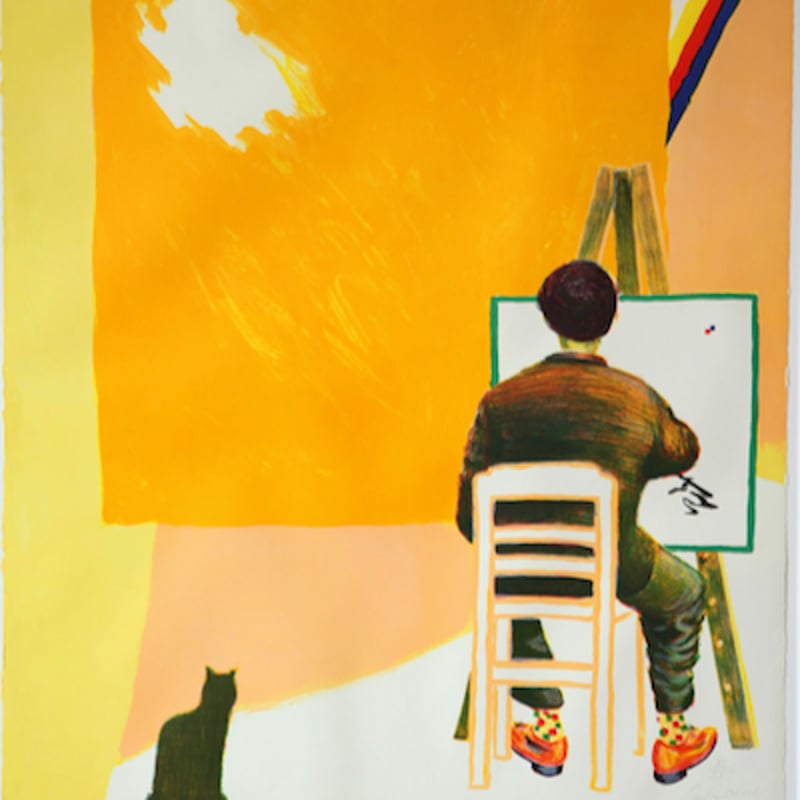
What is new figuration?
- Show All
- Established
- Discoveries
- Show All
Artworks Related to New Figuration
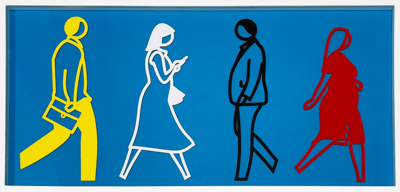
Julian Opie
Street 5, 2020
Limited Edition Print
Relief printing
USD 21,000
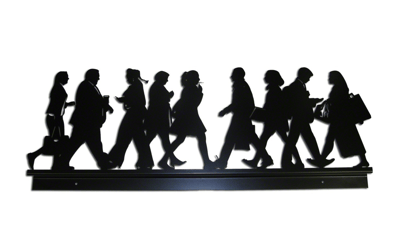
Julian Opie
City Walkers 2, 2014
Sculpture / Object
Mixed Media
USD 11,300

Julian Opie
Elena and Cressie get ready for the party 6, 2011
Limited Edition Print
Mixed Media
USD 7,800

Julian Opie
French Landscapes: Evening Sun, 2013
Limited Edition Print
Inkjet print
USD 17,800
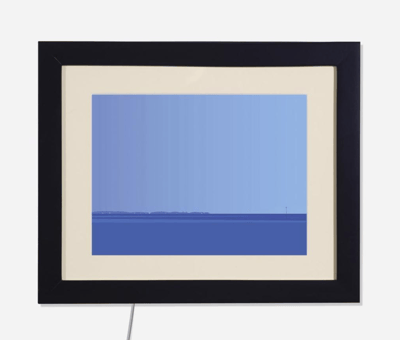
Julian Opie
View From My Hotel Room, 2008
Sculpture / Object
Video art
USD 3,970

Julian Opie
New York Couple 6, 2019
Limited Edition Print
Screen-print
USD 17,800

David Hockney
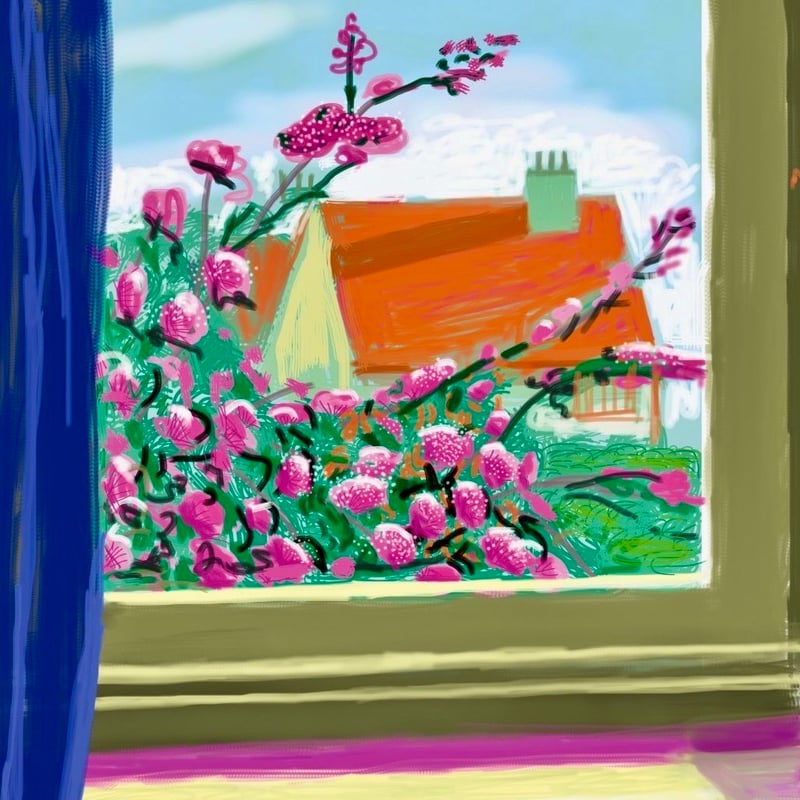
My Window - iPad drawing 'No. 535', 28th June 2009, 2019
Limited Edition Print
Inkjet print
EUR 45,000 - 60,000
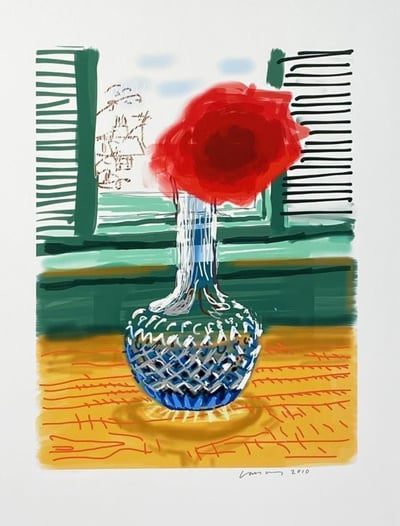
David Hockney
My Window - iPad drawing 'No. 281', 23rd July 2010, 2019
Limited Edition Print
Inkjet print
EUR 45,000 - 60,000

David Hockney
My Window - iPad drawing ‘No. 610', 23rd December 2010, 2019
Limited Edition Print
Inkjet print
EUR 45,000 - 60,000
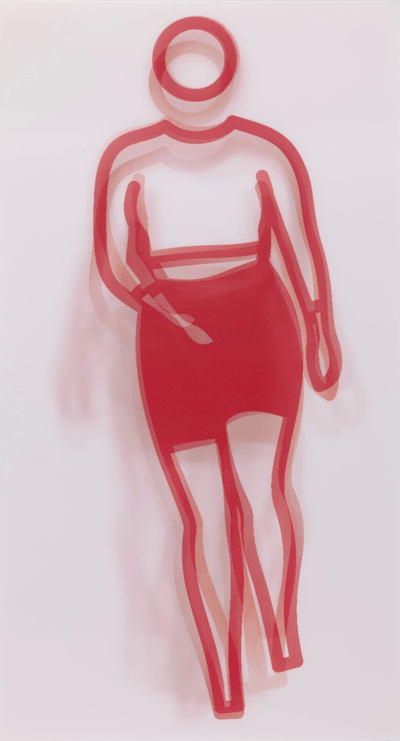
Julian Opie
Dance 3, 2023
Limited Edition Print
Installation
USD 22,000

David Hockney
21st March 2021, Purple and Yellow Flowers in a Vase, 2021
Limited Edition Print
Mixed Media
USD 90,000 - 110,000

David Hockney
Two Peppers, 1973
Limited Edition Print
Etching
GBP 11,000 - 13,500
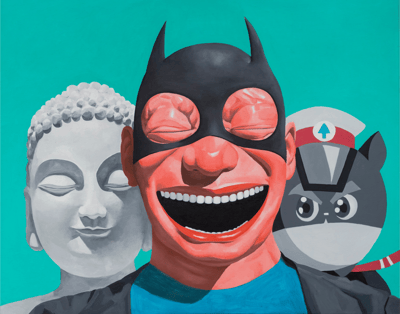
Yue Minjun
The Three Musketeers, 2019-2022
Limited Edition Print
Screen-print
USD 2,300
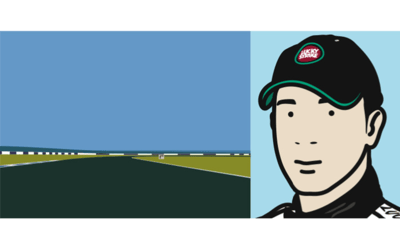
Julian Opie
Imagine you are driving (fast)/Rio, 2002
Limited Edition Print
Lambda print
USD 7,650
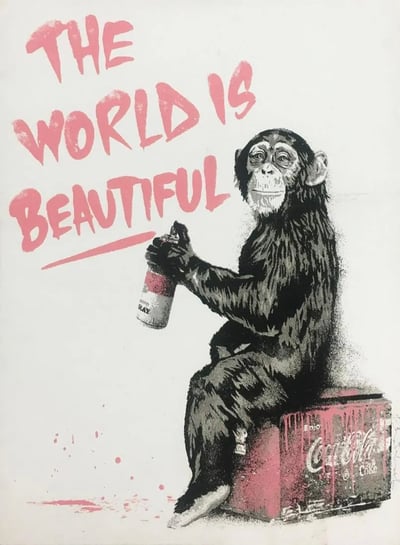
Mr. Brainwash
The World is Beautiful (Pink), 2020
Limited Edition Print
Screen-print
USD 10,750
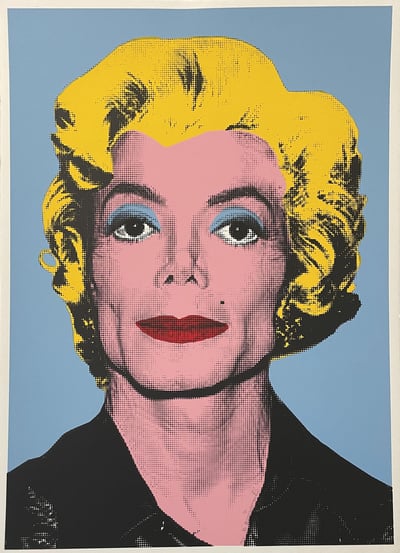
Mr. Brainwash
Michael Jackson Marilyn Wig, 2010
Limited Edition Print
Screen-print
USD 3,900
Related Articles
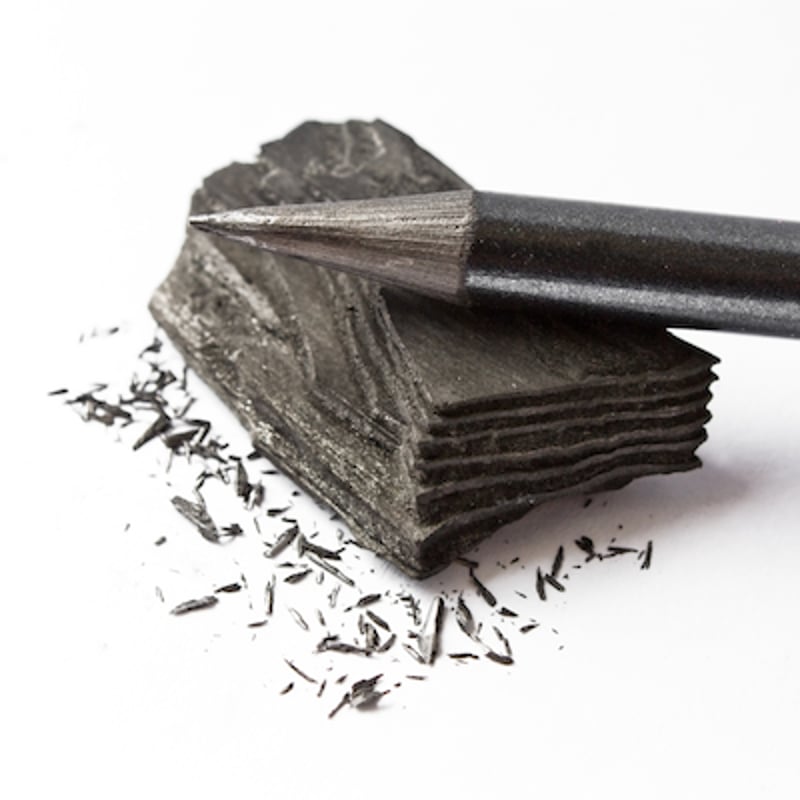
Graphite is a form of carbon commonly used as the core material in pencils. It can be compressed to various levels of hardness, allowing for different shading effects in drawing. In powdered form, graphite can be applied with a brush for broader, softer applications. Graphite erases easily and was first discovered in the 1500s in England's Lake District.
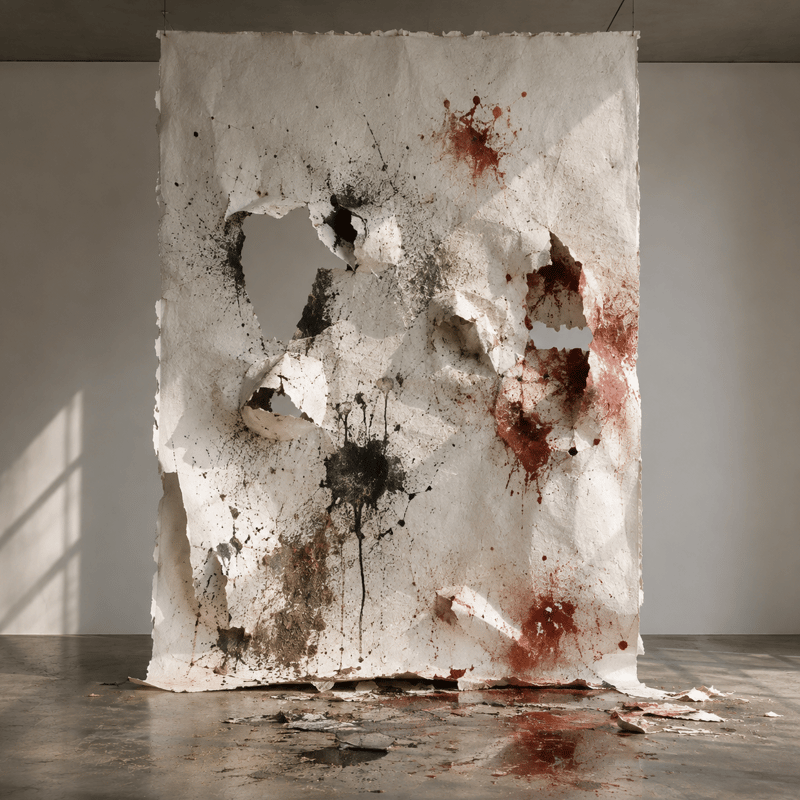
Gutai was a group of Japanese radical artists who formed the Gutai Art Association in 1954. The word Gutai translates to embodiment. The group was known for creating art on the spot for live audiences, often incorporating their own physical movements. Their performances included actions like throwing paint, piercing paper, and rolling in mud, emphasizing the direct interaction between the body and the material.
Hypermodernism is a cultural and artistic movement that emerged in the late 20th and early 21st centuries, characterized by an intense embrace of technology and a focus on speed, complexity, and the future. This movement often challenges traditional modernist values by emphasizing hyper-reality, where the boundaries between reality and virtuality blur. Hypermodernism is evident in architecture, design, and visual arts, where artists and creators use advanced digital tools and futuristic aesthetics to explore themes of globalization, identity, and the impact of technology on society.
Can't find your Answer?
Thank you! Your question has been sent — we'll get back to you shortly.
