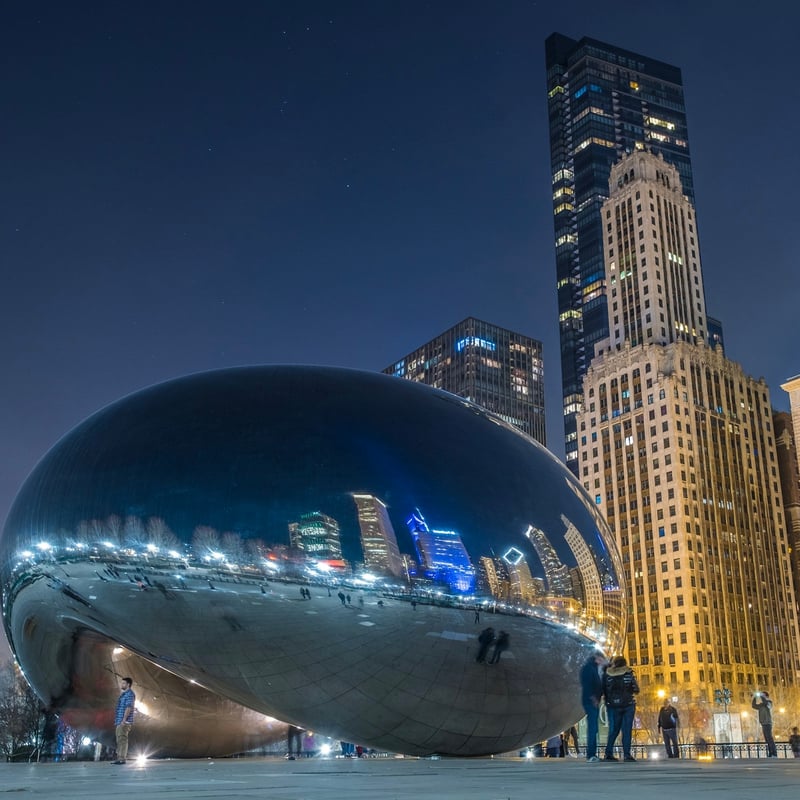
What is new British Sculpture?
- Show All
- Established
- Discoveries
- Show All
Artworks Related to New British Sculpture

Julian Opie
Cornish Coast 2: Lantivet Coast, 2017
Limited Edition Print
Mixed Media
USD 7,800

Julian Opie
Magpie, 2020
Sculpture / Object
Acrylic sculpture
Currently Not Available
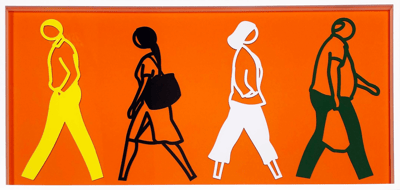
Julian Opie
Street 1, 2020
Limited Edition Print
Relief printing
USD 21,000
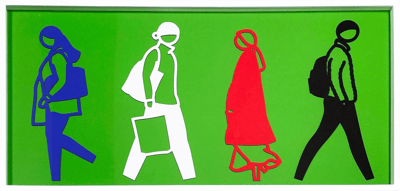
Julian Opie
Street 3, 2020
Limited Edition Print
Relief printing
USD 21,000
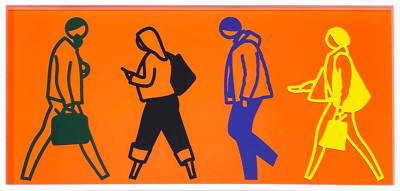
Julian Opie
Street 4, 2020
Limited Edition Print
Relief printing
USD 21,000
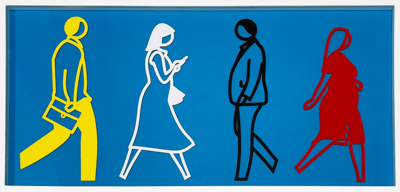
Julian Opie
Street 5, 2020
Limited Edition Print
Relief printing
USD 21,000
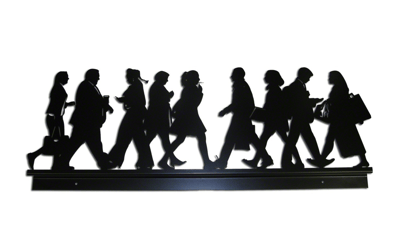
Julian Opie
City Walkers 2, 2014
Sculpture / Object
Mixed Media
USD 11,300

Julian Opie
Elena and Cressie get ready for the party 6, 2011
Limited Edition Print
Mixed Media
USD 7,800

Julian Opie
French Landscapes: Evening Sun, 2013
Limited Edition Print
Inkjet print
USD 17,800
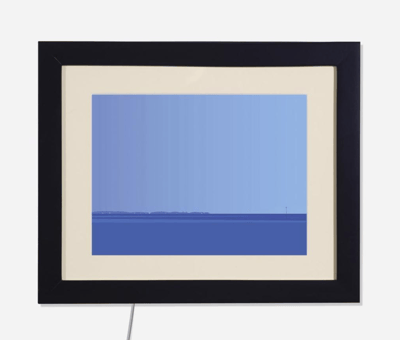
Julian Opie
View From My Hotel Room, 2008
Sculpture / Object
Video art
USD 3,970

Julian Opie
New York Couple 6, 2019
Limited Edition Print
Screen-print
USD 17,800
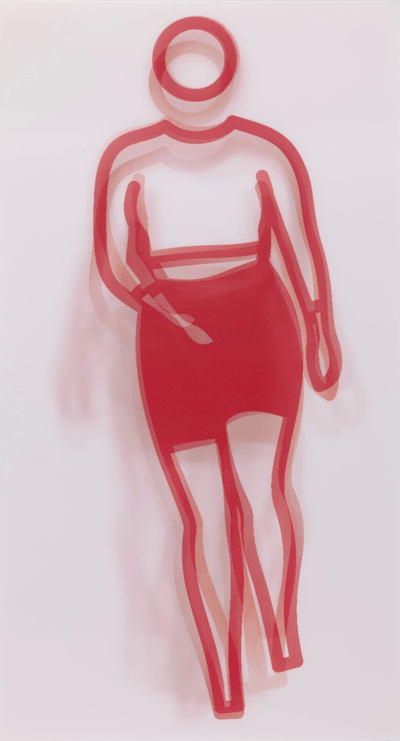
Julian Opie
Dance 3, 2023
Limited Edition Print
Installation
USD 22,000
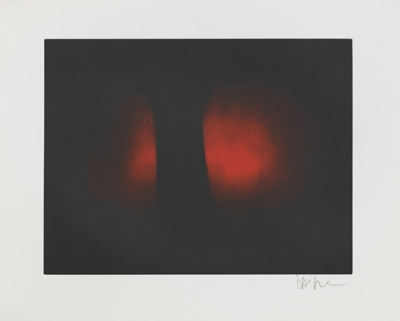
Anish Kapoor
Untitled (red on dark background), 2015
Limited Edition Print
Etching
GBP 5,300
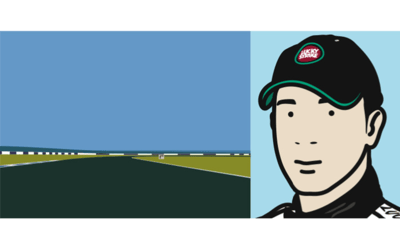
Julian Opie
Imagine you are driving (fast)/Rio, 2002
Limited Edition Print
Lambda print
USD 7,650
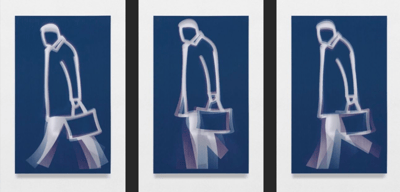
Julian Opie
Leather Bag, 2022
Sculpture / Object
Installation
USD 17,000 - 20,000
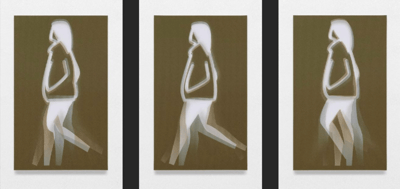
Julian Opie
Fur Jacket, 2022
Sculpture / Object
Installation
USD 17,000 - 20,000
Related Articles
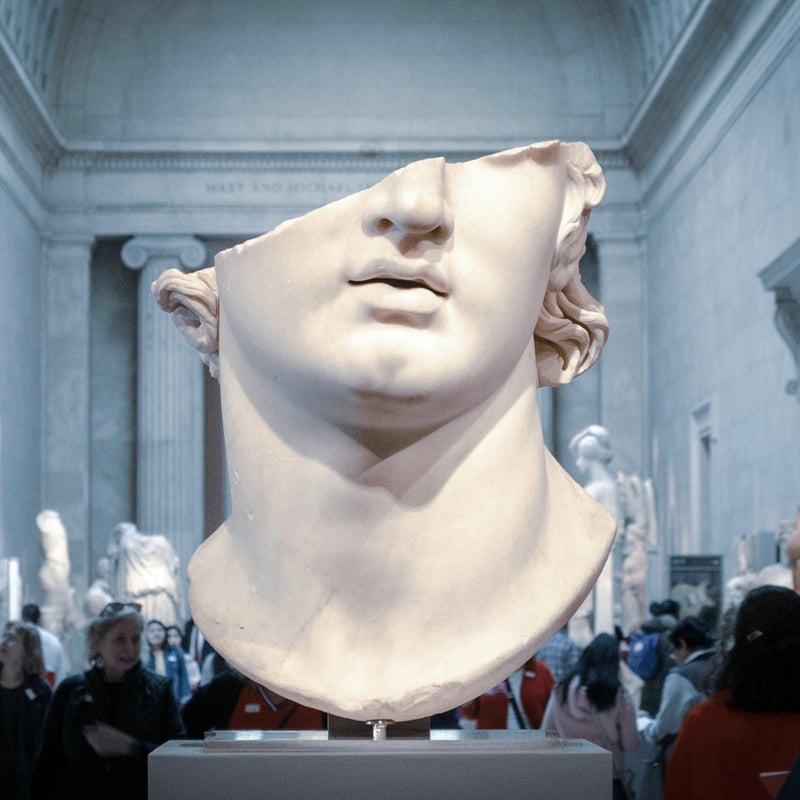

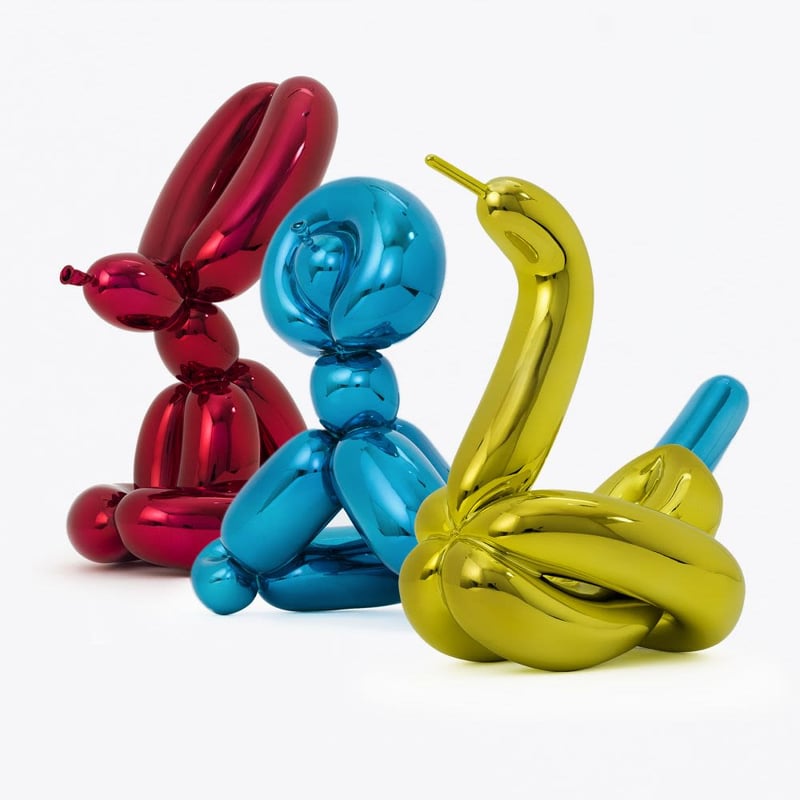
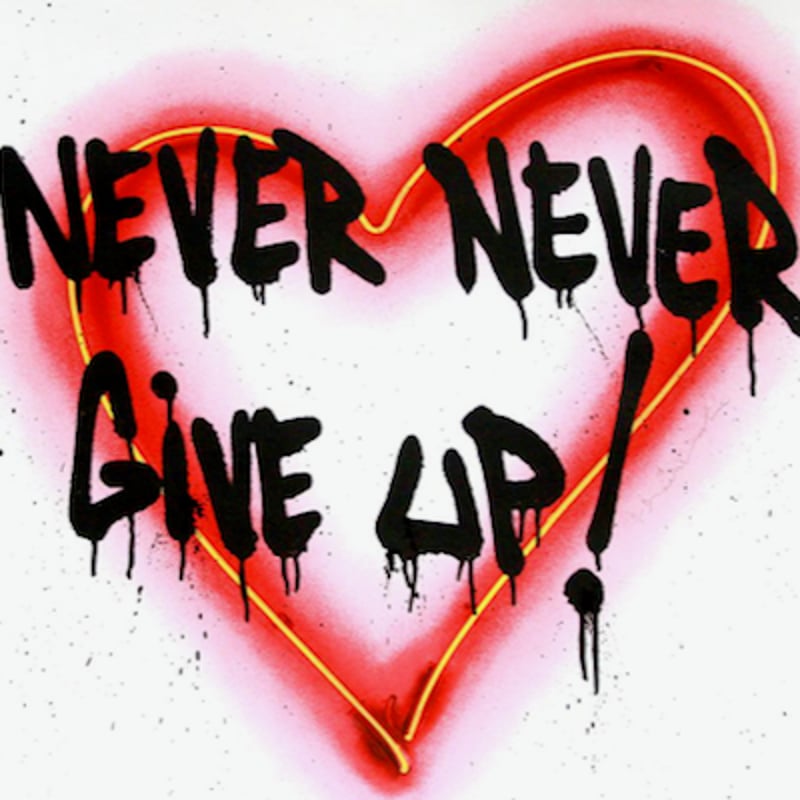
Graffiti art refers to drawings and writings that are painted, scratched, or scribbled on walls or other surfaces, typically in public spaces. This art form ranges from small tags to elaborate wall paintings. Graffiti has been in existence since ancient times, with examples dating back to the Roman Empire, Ancient Greece, and Ancient Egypt.
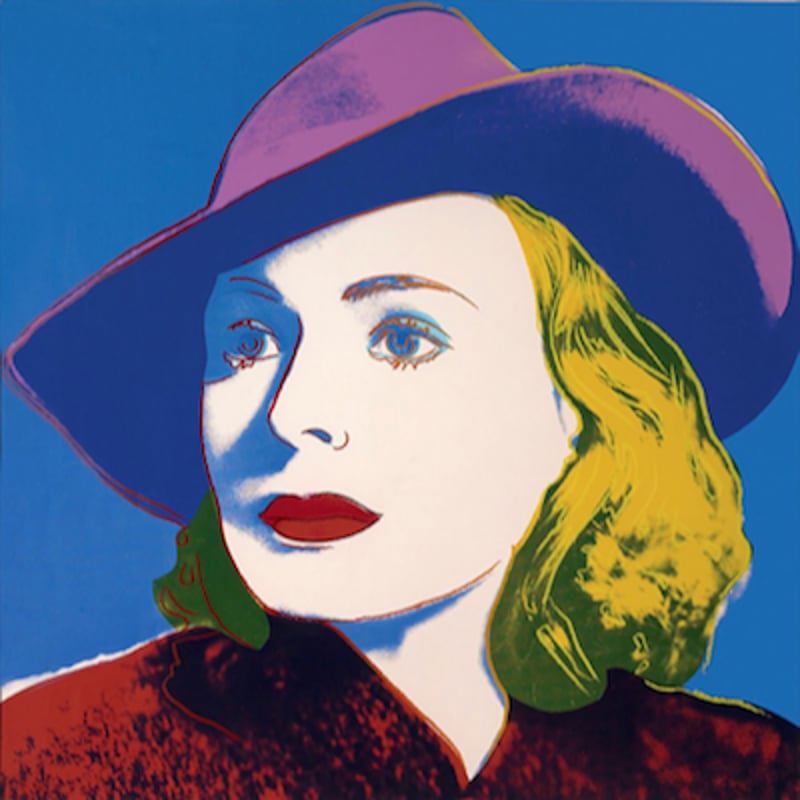
Pop Art is an art movement that began in Britain in 1955 and in the late 1950s in the U.S. It challenged traditional fine arts by incorporating imagery from popular culture, such as news, advertising, and comic books. Pop Art often isolates and recontextualizes materials, combining them with unrelated elements. The movement is more about the attitudes and ideas that inspired it than the specific art itself. Pop Art is seen as a reaction against the dominant ideas of Abstract Expressionism, bringing everyday consumer culture into the realm of fine art.

Futurism was an early 20th-century art movement that sought to capture the energy and dynamism of the modern world. The movement was launched by Italian poet Filippo Tommaso Marinetti, who published the Manifesto of Futurism on February 20, 1909. Futurism denounced the past and passionately embraced technology, industry, and the speed of modern life.
Can't find your Answer?
Thank you! Your question has been sent — we'll get back to you shortly.
