What is Mono-Ha?
Meaning School of Things, Mono-ha originated in Tokyo in the mid-1960s. Instead of creating traditional artwork, the artists of Mono-ha used different materials and their natural properties to express dismay at the industrialization taking place in Japan at the time. The movement gained international attention and is now a widely respected form of art, known for its emphasis on the relationship between materials and their environment.
Show All
- Show All
- Established
- Discoveries
Show All
ARTWORKS RELATED TO MONO-HA

Chiharu Shiota
State of Being (windows), 2021
Sculpture / Object
Mixed Media
Inquire For Price

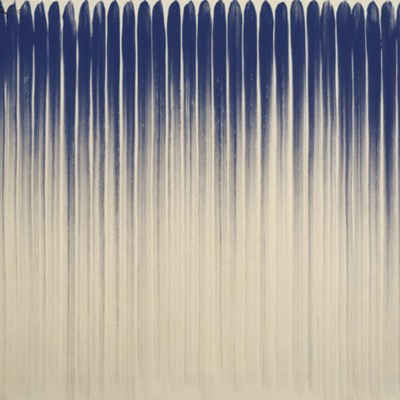
Lee Ufan
Lee UFAN | Dalla Memoria Di Una Citta #3, 1989
Limited Edition Print
Lithograph
Currently Not Available

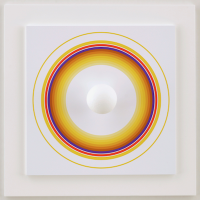
Nobuo Sekine
One Stroke Circle, 1974
Sculpture / Object
Acrylic sculpture
Currently Not Available
Related Articles
Popular, Artists - October 07, 2025
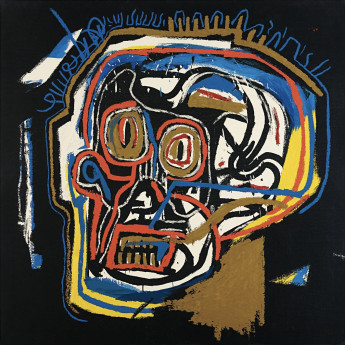
Jean-Michel Basquiat: From Graffiti to Auction Superstar – A Deep Dive into Basquiat’s Journey
Discover the legacy of Jean-Michel Basquiat—from graffiti poet to global icon. His art fused race, jazz, and rebellion into a lasting visual language. Read More

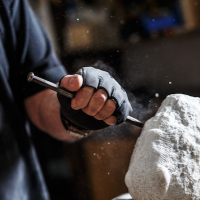
Marble is a rare and expensive metamorphic rock composed of recrystallized limestone. It has been used for centuries to create statues, decorative floors, and walls due to its translucency and durability. Marble is ideal for both free-standing statues and relief sculptures. When carving, the material is chiseled away in small increments to achieve the desired form.

Drawing and watercolor are two traditional art techniques which stand alone as media, but are often used in conjunction with each other. Drawing can create the basic outlines for watercolor painting. Drawing over dried watercolor or using watercolor pencils are combined media techniques.