
What is lowbrow?
- Show All
- Established
- Discoveries
- Show All
Artworks Related to Lowbrow
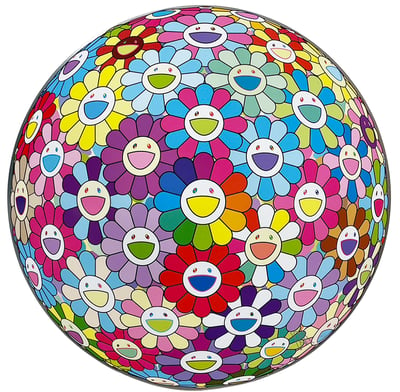
Takashi Murakami
Charge into the Center of Consciousness, 2023
Limited Edition Print
Offset Print
EUR 5,400
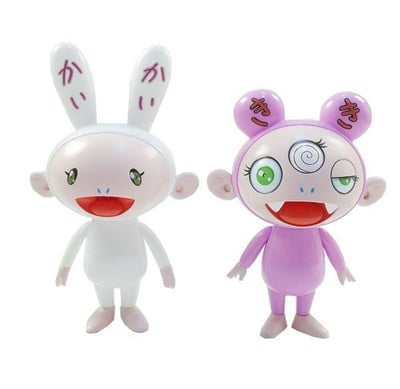
Takashi Murakami
Kaikai and Kiki, 2018
Sculpture / Object
Mixed Media
EUR 4,800
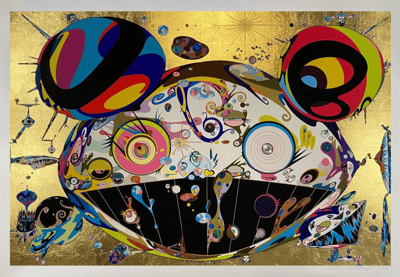
Takashi Murakami
Tan Tan Bo, 2016
Limited Edition Print
Mixed Media
EUR 29,250
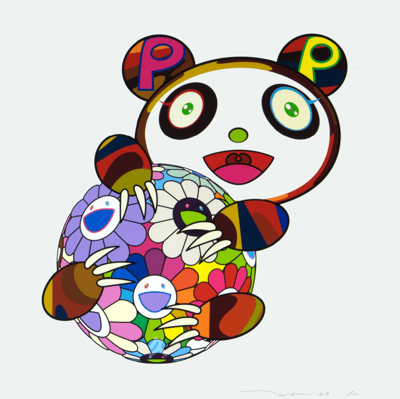
Takashi Murakami
A Panda Cub Hugging a Ball of Flowers, 2020
Limited Edition Print
Silkscreen
GBP 2,950
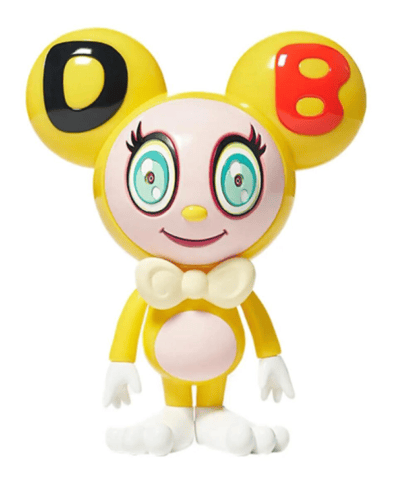
Takashi Murakami
Untitled - yellow, 2020
Sculpture / Object
Mixed Media
Inquire For Price
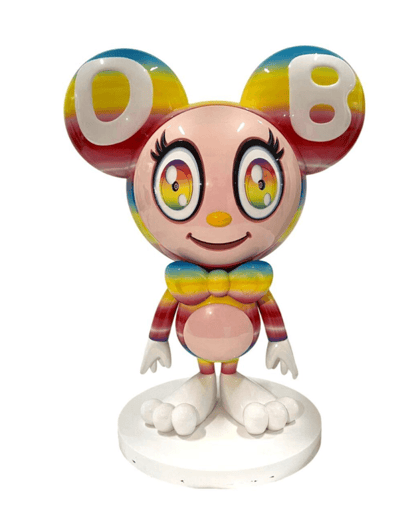
Takashi Murakami
Untitled - multi, 2020
Sculpture / Object
Mixed Media
Inquire For Price

Takashi Murakami
Untitled (Mr DOB), 2020
Sculpture / Object
Mixed Media
Inquire For Price

Takashi Murakami
Untitled - magenta, 2020
Sculpture / Object
Mixed Media
Inquire For Price

Takashi Murakami
October Story Silkscreen (Orange Lavender Flowers), 2019
Limited Edition Print
Silkscreen
GBP 6,600
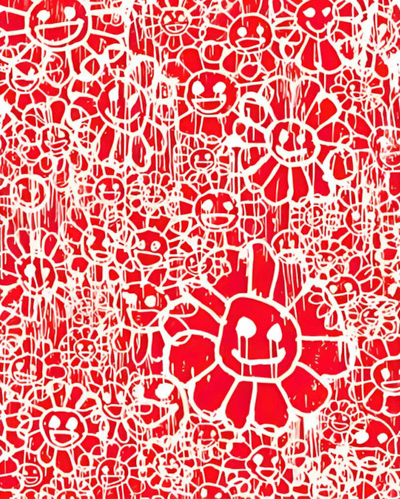
Takashi Murakami
Madsaki Flowers B Red, 2017
Limited Edition Print
Silkscreen
GBP 3,000
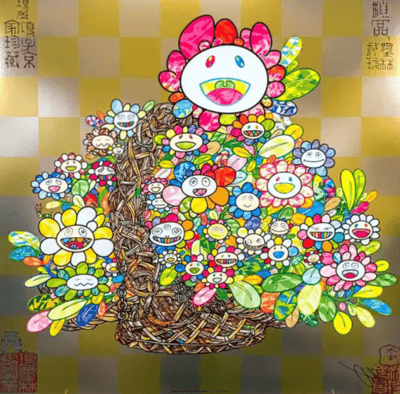
Takashi Murakami
Bouquet in a Basket, 2024
Limited Edition Print
Offset Print
GBP 4,500
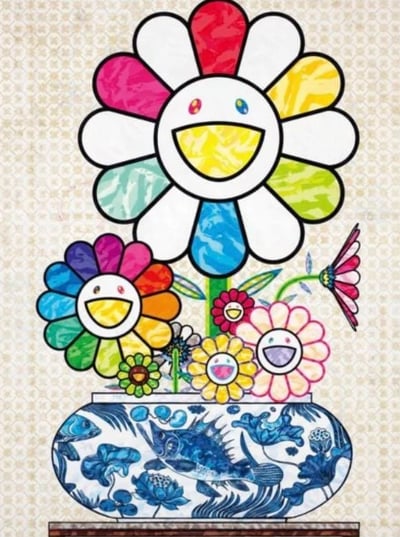
Takashi Murakami
Murakami Flowers in a Qinghua Vase, 2024
Limited Edition Print
Offset Print
GBP 2,100
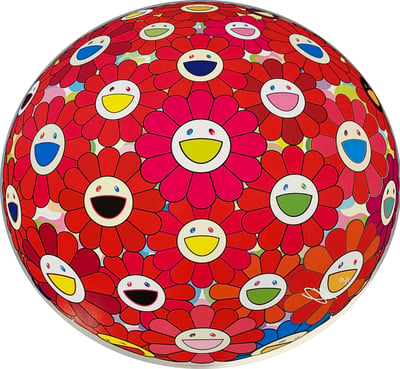
Takashi Murakami
Thinking Matter (Red), 2016
Limited Edition Print
Offset Print
USD 4,400
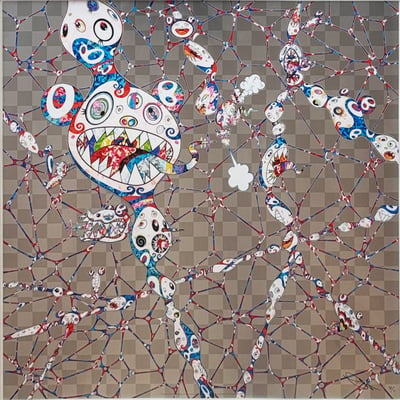
Takashi Murakami
We Are Destined to Meet Someday! But For Now, We Wander in Different Dimensions, 2016
Limited Edition Print
Offset Print
USD 3,600
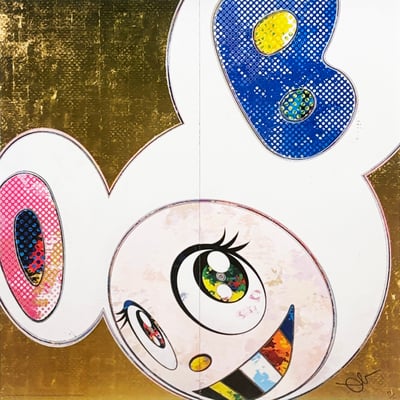
Takashi Murakami
DOB in Pure White Robe (Pink & Blue), 2013
Limited Edition Print
Offset Print
Currently Not Available
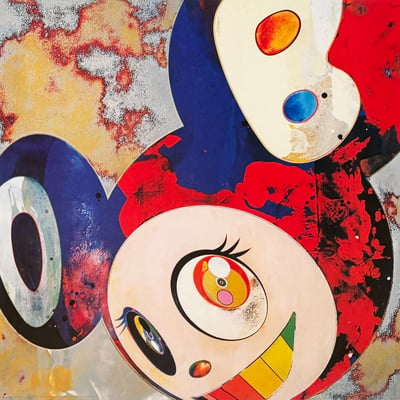
Takashi Murakami
And Then, And Then, And Then, And Then, And Then (Gargle Glop), 2006
Limited Edition Print
Offset Print
USD 3,000
Related Articles


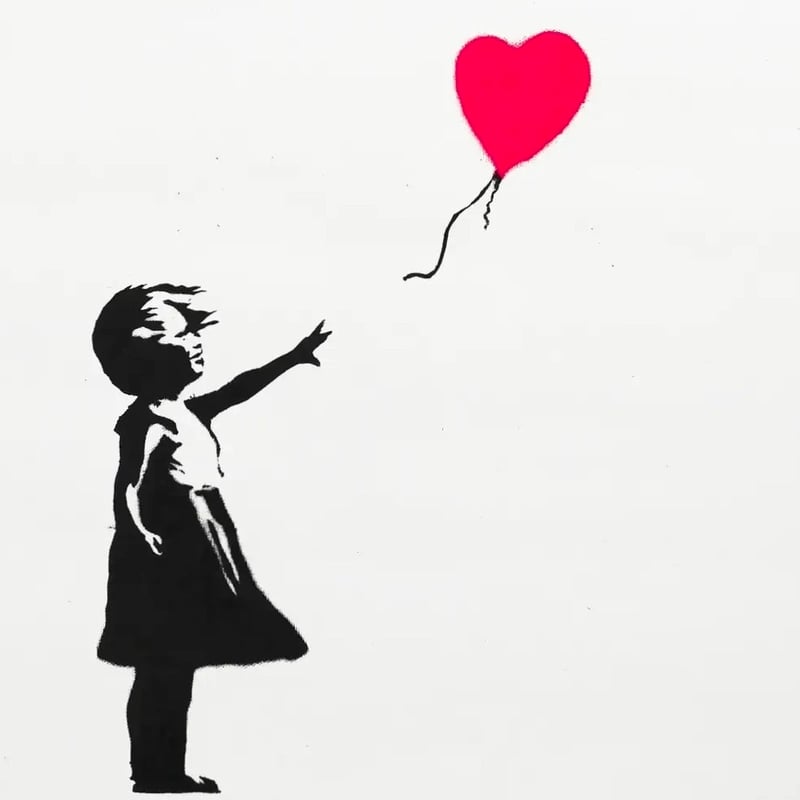

Appropriation in art involves using pre-existing images or objects with little or no modification. This technique has played a significant role across various art forms, including visual arts, music, performance, and literature. In visual arts, appropriation refers to the practice of adopting, sampling, recycling, or borrowing elements—or even entire forms—of existing visual culture, integrating them into new works to create meaning or critique.
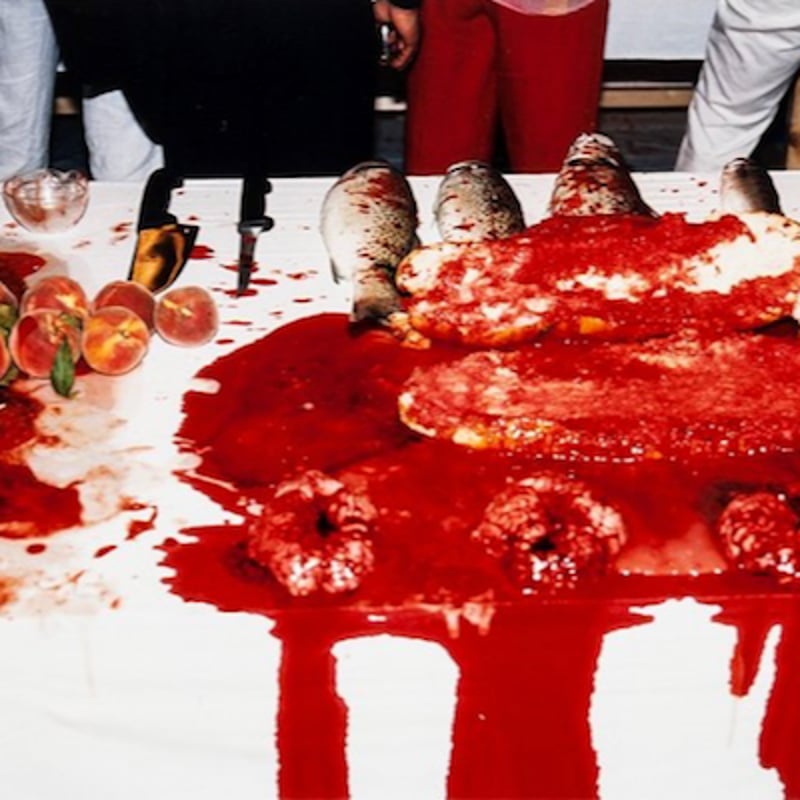
Viennese Actionism was a short-lived but intense art movement in the 20th century, emerging as part of the broader action art efforts of the 1960s. Known for its violent and provocative performances, the movement sought to break traditional art boundaries. Key figures in this movement included Arnulf Rainer and Hermann Nitsch.
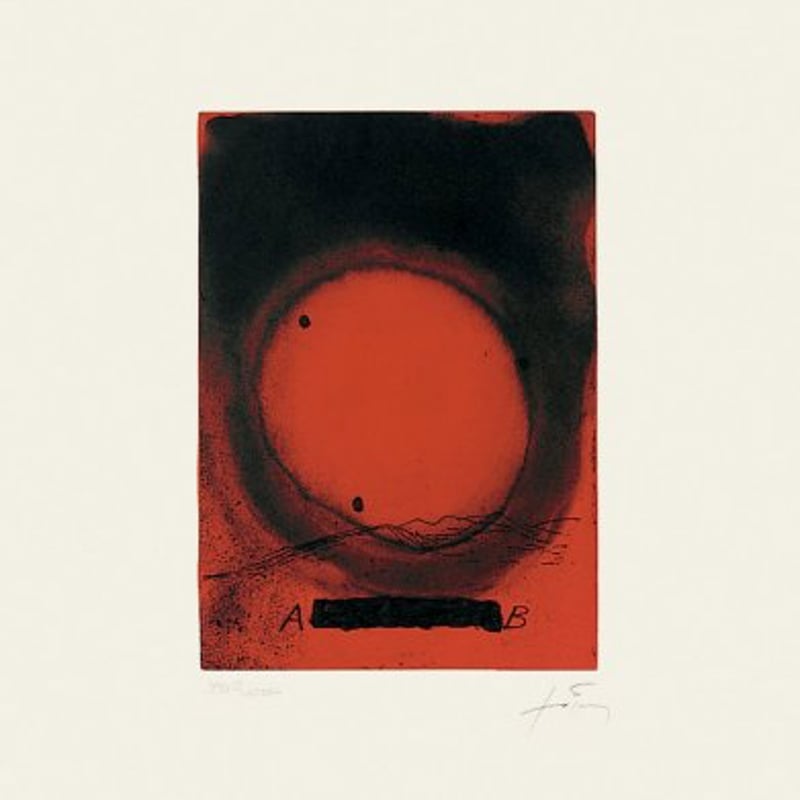
A movement and style in art that originated in Italy during the 1960s. It integrates elements of minimalism, performance art, and conceptual art by using everyday or seemingly worthless materials, such as newspapers, stones, or rags. The goal was to challenge and subvert the commercialization of art.
Can't find your Answer?
Thank you! Your question has been sent — we'll get back to you shortly.
