What is Crayon?
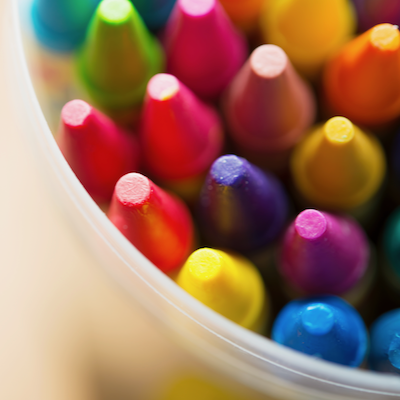
Crayon is a French word that means pencil. In art, a crayon is a stick made of colored wax, chalk, charcoal, or clay used for drawing and coloring. Crayons are typically made from paraffin wax, which is derived from petroleum, coal, or wood. Types of crayons include wax crayons, pastel crayons, and oil pastels.
Show All
- Show All
- Established
- Discoveries
Show All
ARTWORKS RELATED TO CRAYON

Roberto Matta
U.S. Assasins, 1962
Drawing / Watercolor
Crayon
Inquire For Price

Roberto Matta
Le Cirque, 1969
Drawing / Watercolor
Crayon
Inquire For Price

Roberto Matta
Covent Garden, 1977
Drawing / Watercolor
Crayon
Inquire For Price

Roberto Matta
Hieroglyphe De La Pen See, 1975
Drawing / Watercolor
Crayon
Inquire For Price

Joan Miró
Untitled (drawing), 1978
Drawing / Watercolor
Crayon
Inquire For Price

Javacheff Christo
Package on Wheelbarrow (project), 1963-2000
Drawing / Watercolor
Crayon
Inquire For Price
Related Articles

Popular, Collecting - March 17, 2026
Why Buy from Composition Gallery
Why buy from Composition Gallery? Since 2005, the gallery offers curated works, clear provenance, fair pricing, and secure international shipping for confident art collecting. Read More


New British Sculpture is the name referring to the work produced by a group of sculptors, installation artists, and other creators who exhibited together in London during the 1980s. This group included artists like Richard Deacon, Richard Wentworth, and Tony Cragg. Tim Woods helped define this movement by identifying four major themes: the blending of kitsch and pop culture, the use of UK urban waste in a bricolage style, the assignment of new meanings to everyday objects, and a playful approach using wit and humor.

Drawing and watercolor are two traditional art techniques which stand alone as media, but are often used in conjunction with each other. Drawing can create the basic outlines for watercolor painting. Drawing over dried watercolor or using watercolor pencils are combined media techniques.