
What is Colour Field Painting?
- Show All
- Established
- Discoveries
- Show All
Artworks Related to Colour Field Painting
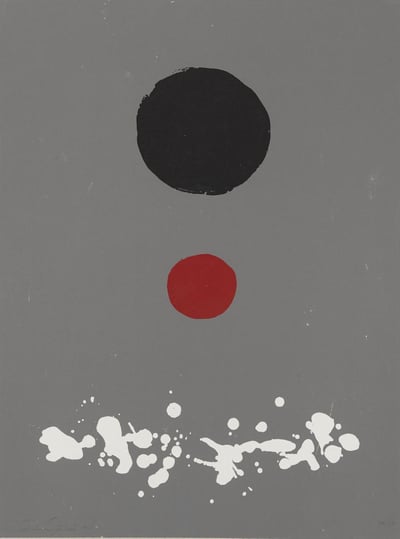
Adolph Gottlieb
Jetsam, 1967
Limited Edition Print
Serigraph
USD 3,350

Sam Francis
Untitled (SFE-073RC), 1973
Limited Edition Print
Etching and Aquatint
USD 7,800
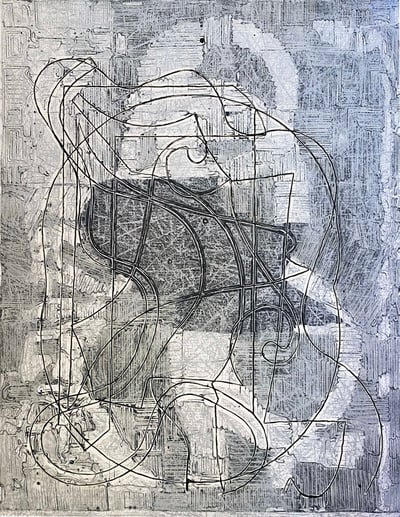
Frank Stella
Imola Three, I (from the Circuits Series), 1982
Limited Edition Print
Mixed Media
USD 43,000 - 50,000

Ellsworth Kelly
Mallarmé Suite: Blue, 1992
Limited Edition Print
Lithograph
USD 11,500

Ellsworth Kelly
Green Curve with Radius of 20', 1974
Limited Edition Print
Lithograph
USD 17,800
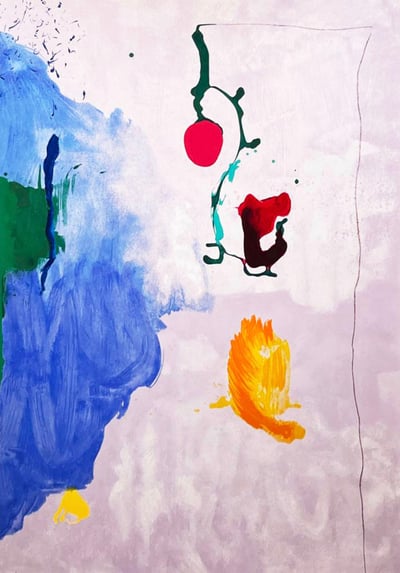
Helen Frankenthaler
Eve, 1995
Limited Edition Print
Screen-print
Currently Not Available
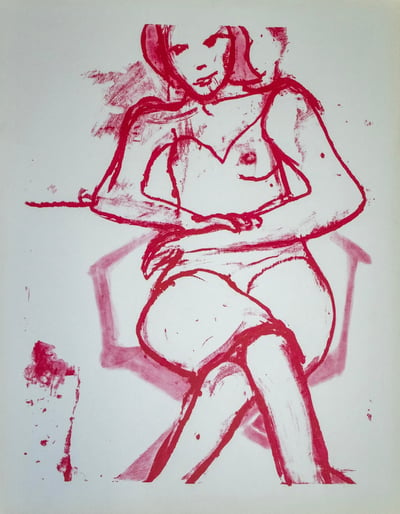
Richard Diebenkorn
Seated woman, 1965
Limited Edition Print
Lithograph
USD 3,250

Al Held
Camerata XII, 1989
Drawing / Watercolor
Watercolor
USD 29,500
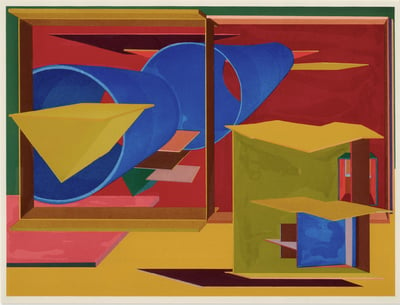
Al Held
Pachinko, 1989
Limited Edition Print
Woodcut
Currently Not Available

Helen Frankenthaler
Untitled (What red lines can do), 1970
Limited Edition Print
Serigraph
Currently Not Available
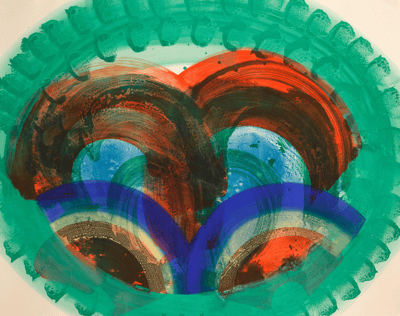
Howard Hodgkin
Red Palm, 1986-1987
Limited Edition Print
Lithograph
Currently Not Available
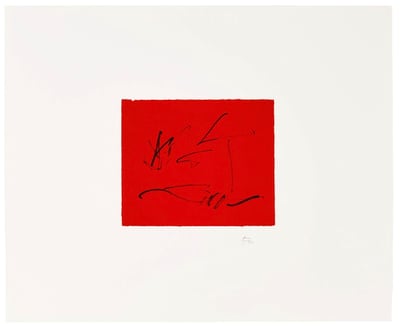
Robert Motherwell
Red Wind, 1987
Limited Edition Print
Lithograph
USD 5,400

Ellsworth Kelly
Black Variation I, 1973-75
Limited Edition Print
Lithograph
USD 22,000 - 27,000
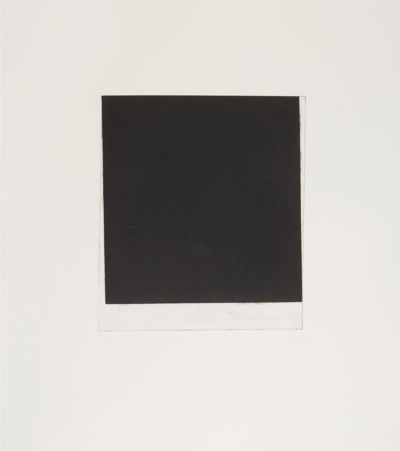
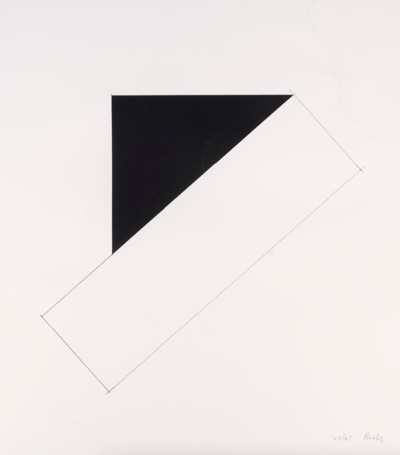
Ellsworth Kelly
Wall, 1976-1979
Limited Edition Print
Etching and Aquatint
USD 6,790
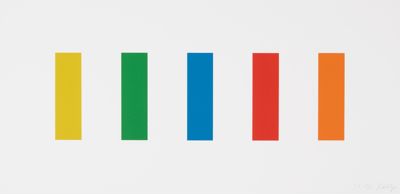
Ellsworth Kelly
Jacmel, 1978-1980
Limited Edition Print
Screen-print
USD 8,500
Ellsworth Kelly
Dartmouth, 2011
Limited Edition Print
Lithograph
Currently Not Available
Related Articles
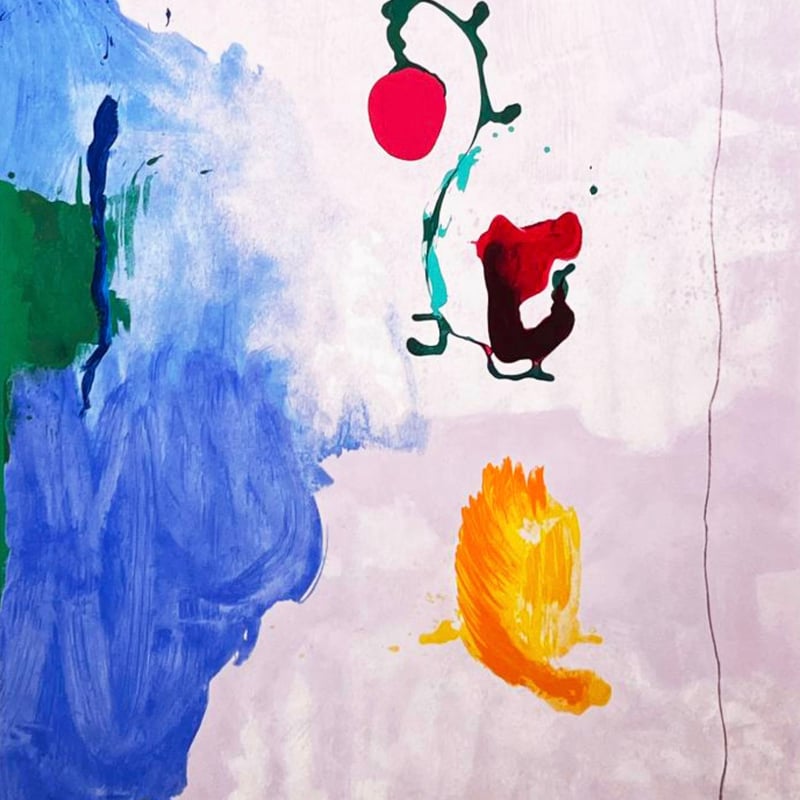
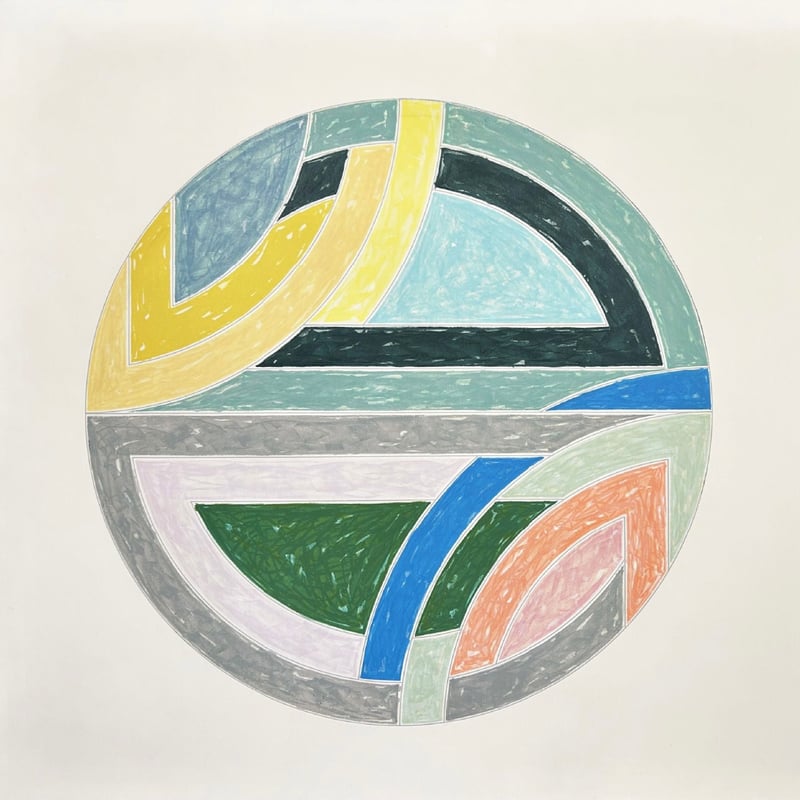
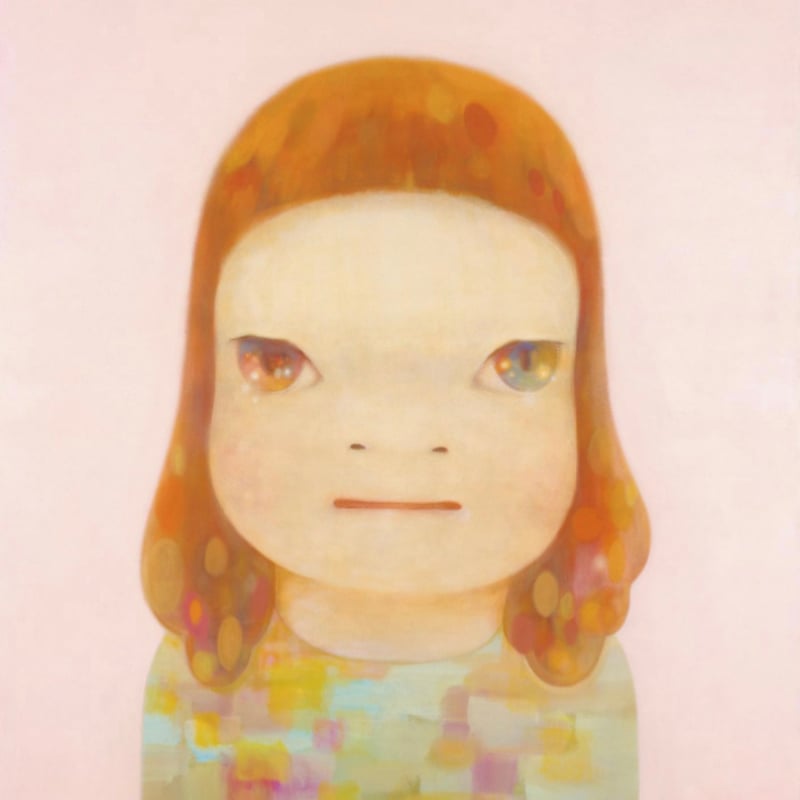
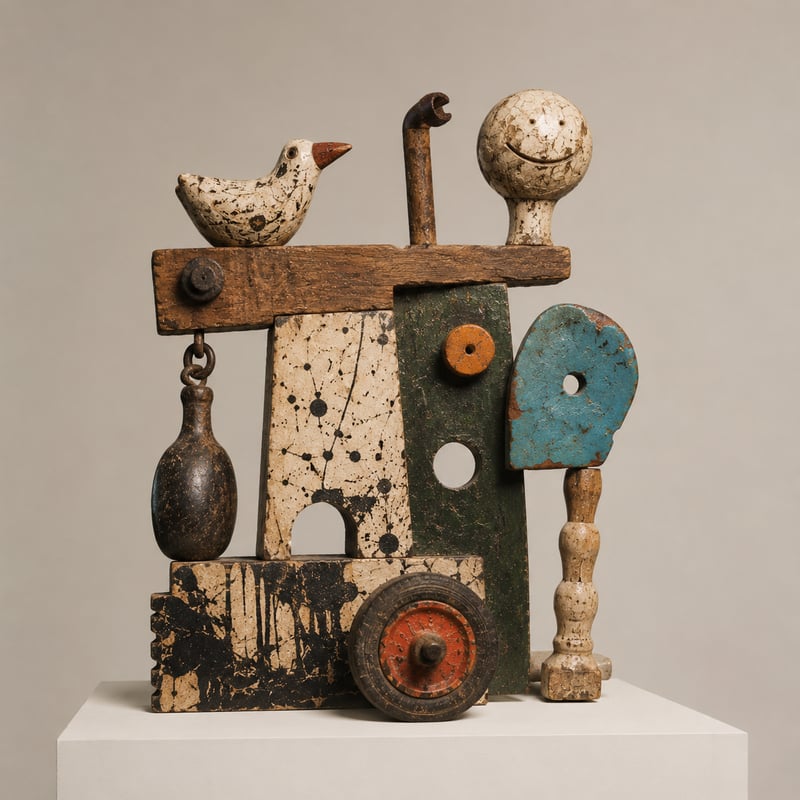
In the 1960s, Funk Art emerged as a reactive movement against Abstract Expressionism. It was widely known as an anti-establishment movement, with the name derived from the jazz term funky. This term carried both positive and negative connotations: in the jazz world, it described passion, quirkiness, and sensuality, but it could also refer to a foul odor. Funk Art was particularly popular in the California Bay Area. While the artists of the Funk Art era shared similar attitudes and styles, they did not see themselves as part of a formal group or movement.
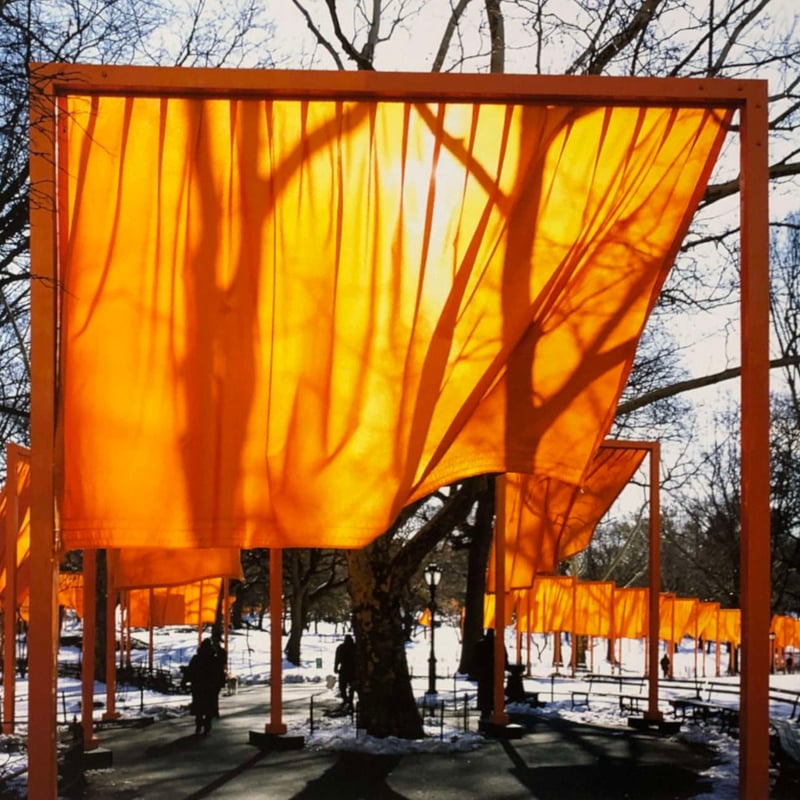
Ephemeral art is a type of art that occurs only once and typically lasts for a very short period. It cannot be displayed as a traditional work of art in a gallery or museum. Examples of ephemeral art include performances, happenings, sound sculptures, flyers, and mass-produced items. This art form emphasizes the transient nature of the experience, existing only in the moment and often leaving no lasting physical trace.

Site-Specific Art is a form of artwork created to exist in a particular location, with the artist considering the site as an integral part of the creative process. Robert Irwin was a key figure in promoting this art form in California. Site-Specific Art emerged as a reaction against modernist objects, which were often portable, commodified, and confined to museum spaces. In contrast, Site-Specific Art is inherently tied to its location, challenging the traditional notions of art as a transportable and marketable commodity.
Can't find your Answer?
Thank you! Your question has been sent — we'll get back to you shortly.
