
What is Art Informel?
- Show All
- Established
- Discoveries
- Show All
Artworks Related to Art Informel
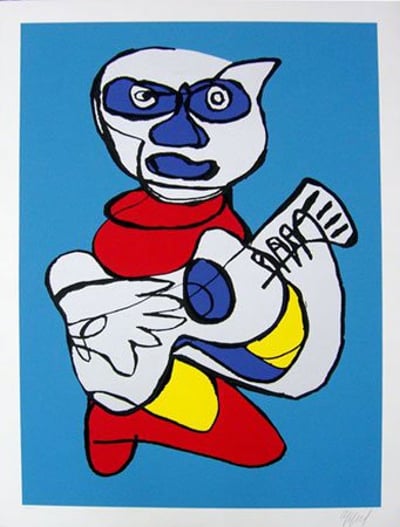
Karel Appel
Obra gráfica, 1974
Limited Edition Print
Serigraph
EUR 1,550
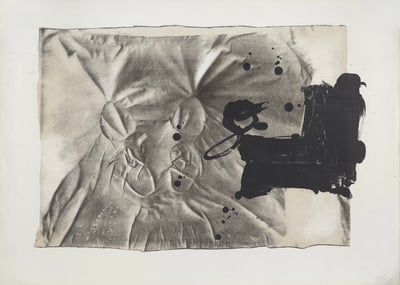
Antoni Tapies
Chaussures sur chaise, 1984
Limited Edition Print
Lithograph
EUR 3,200
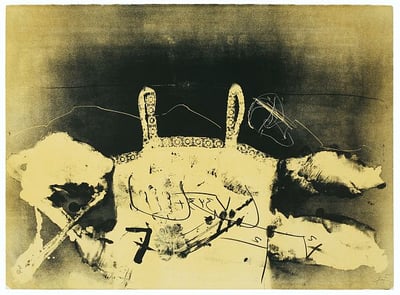
Antoni Tapies
Dentelle, 1977
Limited Edition Print
Lithograph
EUR 3,200
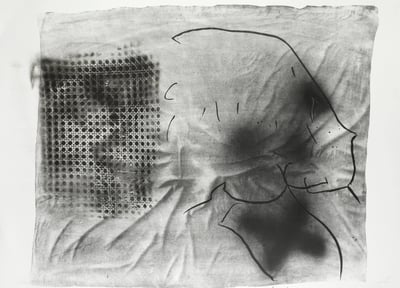
Antoni Tapies
Cannage, 1984
Limited Edition Print
Lithograph
EUR 3,200
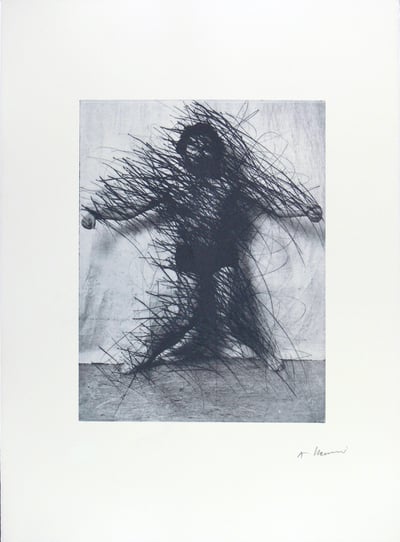
Arnulf Rainer
Selbst in Waage, 1976
Limited Edition Print
Etching
EUR 3,700
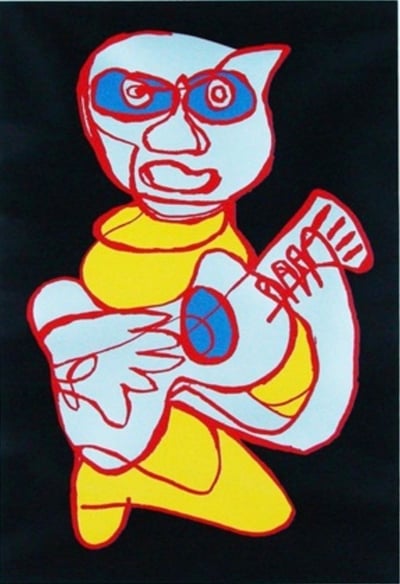
Karel Appel
Kool luke singing hands, 1978
Limited Edition Print
Silkscreen
USD 1,700
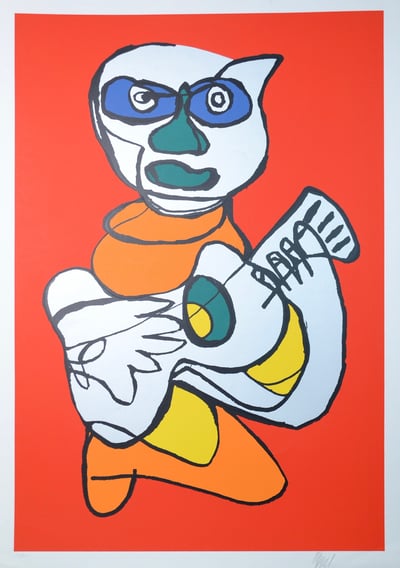
Karel Appel
Red cat singing hands, 1978
Limited Edition Print
Silkscreen
USD 1,700
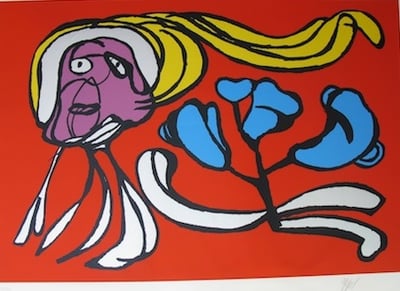
Karel Appel
Floating flower passion, 1978
Limited Edition Print
Silkscreen
USD 1,700
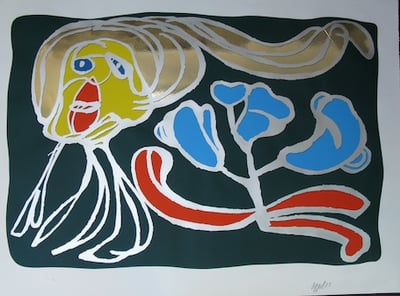
Karel Appel
Green floating passion , 1975
Limited Edition Print
Silkscreen
USD 1,700
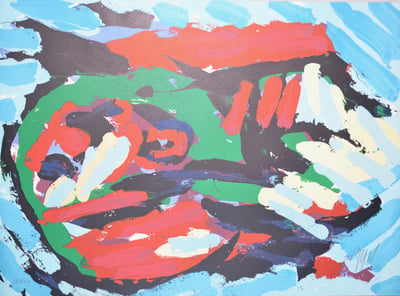
Karel Appel
Flying head over ocean, 1972
Limited Edition Print
Lithograph
USD 800
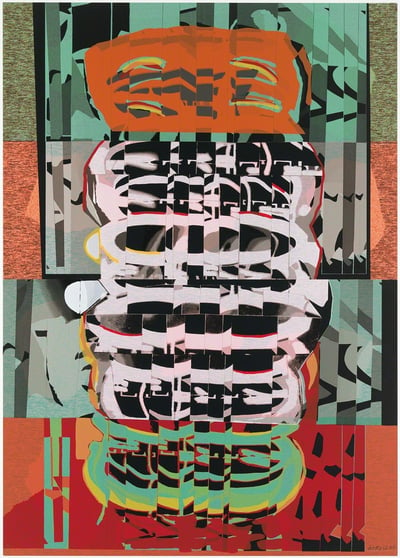
Luis Gordillo
Charles Darwin Evolucionado 2, 2009
Limited Edition Print
Silkscreen
Currently Not Available
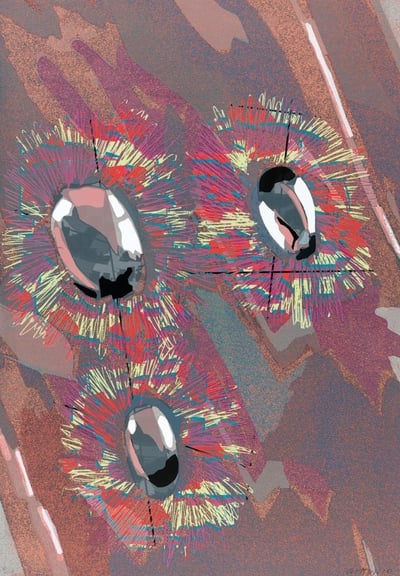
Luis Gordillo
S/T 2 , 2009
Limited Edition Print
Silkscreen
EUR 1,500
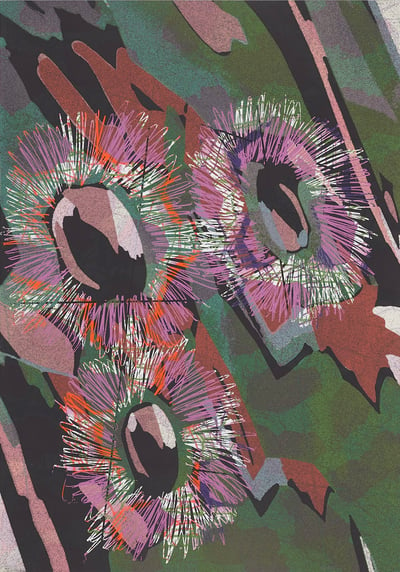
Luis Gordillo
S/T 1, 2009
Limited Edition Print
Silkscreen
EUR 1,500
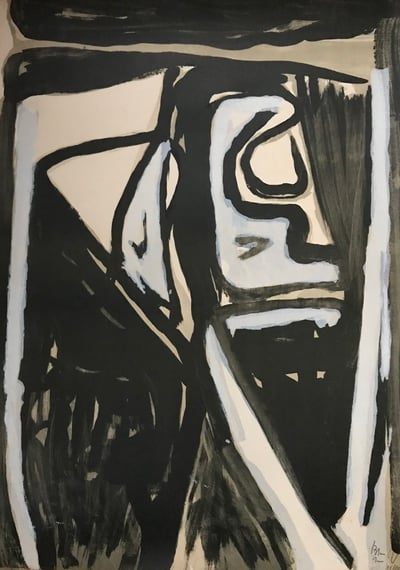
Bram Van Velde
Déchirure, 1977
Limited Edition Print
Lithograph
EUR 1,875
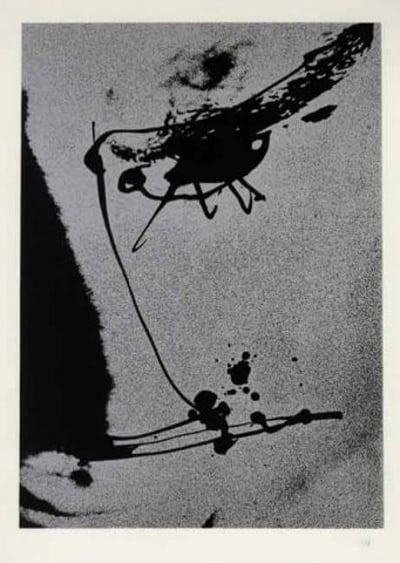
Antonio Saura
Moi, Planche 10, 1976
Limited Edition Print
Serigraph
EUR 1,880
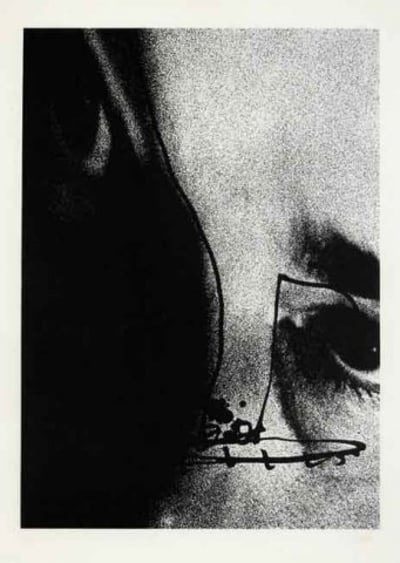
Antonio Saura
Moi, Planche 13, 1976
Limited Edition Print
Serigraph
EUR 1,880
Related Articles
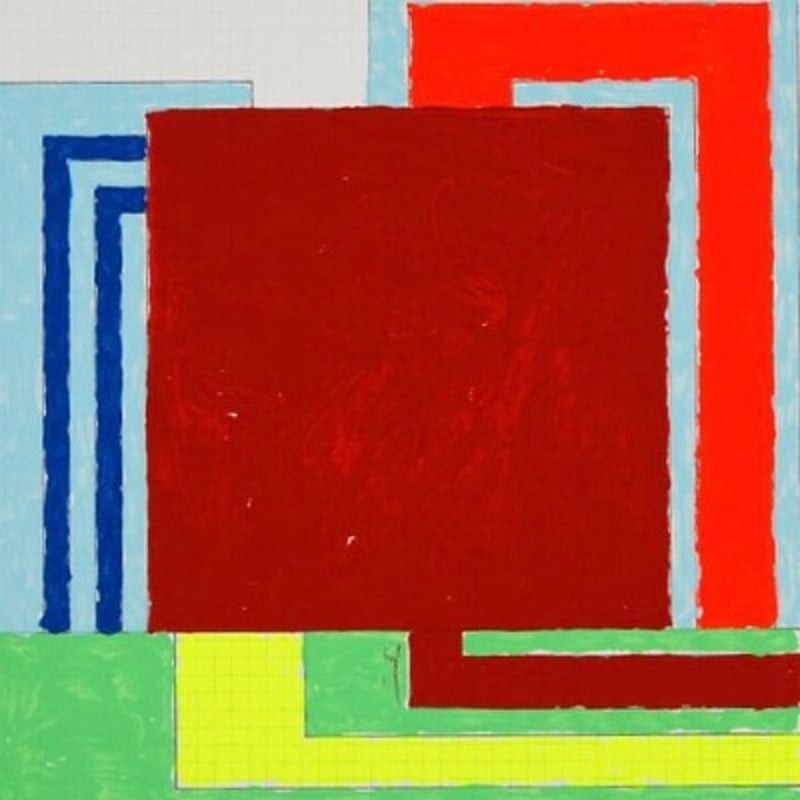
Known as Neo-Geo for short, this movement uses geometric objects and shapes to create abstract artwork as a metaphor for society. Inspired by various 20th-century art styles, including minimalism and pop art, Neo-Geo emerged in the 1980s as a response to the industrialization and commercialization of the modern world. The movement reflects on the impact of mass production, consumerism, and technology, often critiquing the superficiality of contemporary culture through its abstract, geometric compositions.

Performance Art is a genre of fine art that is traditionally interdisciplinary, involving various art forms. It can be scripted or unscripted, random or carefully orchestrated, spontaneous, or meticulously planned, with or without audience participation. Performance Art can be presented live or through media, with the artist either present or absent. It typically involves four basic elements: space, the performer’s body or presence through a medium, time, and the relationship between performer and audience. The artwork consists of actions performed by an individual or group in a specific time and space.

New Topographics is a term coined in 1975 by curator William Jenkins to describe a group of photographers whose work focused on formal black-and-white images of urban and industrial landscapes. Jenkins initially described their aesthetic as banal, but the photographers themselves argued that their compositions were as significant as those of natural landscapes, emphasizing the beauty in everyday, man-made environments.
Can't find your Answer?
Thank you! Your question has been sent — we'll get back to you shortly.
