Serbia
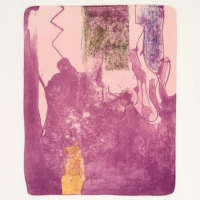
Serbia's vibrant contemporary art scene is a nexus of past and future, where history intertwines with fresh creativity. Artists like Marina Abramovi? and Ivana Baši? generate conversation, pushing the boundaries of what art can be. The Museum of Contemporary Art, Belgrade and the Center for Contemporary Art host this ongoing exploration. Visit Composition Gallery's website to delve deeper into Serbia's contemporary art world.
Show All
- Show All
- Established
- Discoveries
Show All
ARTWORKS RELATED TO SERBIA

Marina Abramovic
512 Hours (2014), 2021
Photography
C-Print
EUR 2,400

Marina Abramovic
Portrait with Falcon, 2010
Photography
Pigment print
Currently Not Available
Related Articles

Art Movements - September 27, 2023
The Role of Politics in Contemporary Art
Explore the role of politics in contemporary art, from social justice to global issues. Discover how artists challenge norms and inspire dialogue through creativity. Read More


Contemporary art from India dates from 1985 to the present, marking the post-liberalization era. During this period, artists have felt free to create independently of traditional Hindu or social conventions. They often incorporate distinctly Indian materials and objects in their work, reflecting a blend of modern ideas and cultural heritage.
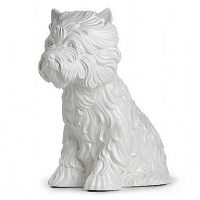
Art Fabrication is a process used in the production of technically challenging or large-scale artworks. It occurs when a designer or artist is unable to fully realize their concept or design on their own and seeks assistance from a fabrication studio. These studios are equipped with specialized machinery, resources, and skilled labor necessary to execute complex art projects to a high standard.