Puerto Rico
Contemporary art in Puerto Rico is a dynamic fusion of cultural identity, political expression, and modern aesthetics. Puerto Rican artists often explore themes such as colonial history, social justice, and the island's unique blend of Caribbean and American influences. Among these artists, Enoc Perez stands out for his vibrant works that reflect a deep connection to architecture and the urban landscape. Perez’s paintings often depict iconic buildings, capturing the essence of modernism while subtly commenting on the political and social changes affecting both Puerto Rico and the world at large. His art bridges the past and present, offering a unique visual narrative of contemporary Puerto Rican culture.
Show All
- Show All
- Established
- Discoveries
Show All
ARTWORKS RELATED TO PUERTO RICO

Enoc Perez
Freedom Tower 1, 2017
Limited Edition Print
Lithograph
EUR 3,000

Enoc Perez
Freedom Tower 2, 2017
Limited Edition Print
Lithograph
EUR 3,000

Enoc Perez
Freedom Tower 3, 2017
Limited Edition Print
Lithograph
EUR 3,000

Enoc Perez
Puerto Rico 1N 7/20, 2016
Limited Edition Print
Mixed Media
EUR 4,000

Enoc Perez
Puerto Rico 2N 3/20, 2016
Limited Edition Print
Mixed Media
EUR 4,000

Enoc Perez
Puerto Rico 3G 1/20, 2016
Limited Edition Print
Mixed Media
EUR 4,000

Enoc Perez
Puerto Rico 4G 5/20, 2016
Limited Edition Print
Mixed Media
EUR 4,000

Enoc Perez
Puerto Rico 5G 7/20, 2016
Limited Edition Print
Mixed Media
EUR 4,000

Enoc Perez
Puerto Rico 6G 9/20, 2016
Limited Edition Print
Mixed Media
EUR 4,000
Related Articles

Popular, Artists - November 19, 2024
Marina Abramovic: The Art of Endurance and Performance
Dive into Marina Abramovic’s world of endurance and performance art. Explore her powerful works that redefine vulnerability and human limits. Read More

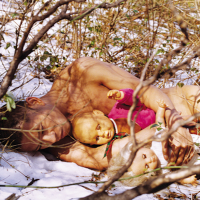
Live art is a form of performance that began in the 1960s and is generally exploratory and innovative. It involves a single artist or an artist group presenting the work before a live audience. The performances can include humans, animals, and living plants, often blurring the boundaries between art and life, and encouraging interaction with the audience.
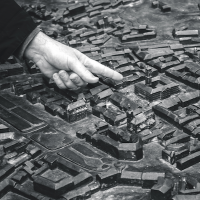
A maquette is a small-scale model of a sculpture that serves as a preliminary version of the final piece. It allows the artist to experiment with ideas and make adjustments without the expense and effort of creating a full-sized sculpture.