
What is Live Art?
Live art is a form of performance that began in the 1960s and is generally exploratory and innovative. It involves a single artist or an artist group presenting the work before a live audience. The performances can include humans, animals, and living plants, often blurring the boundaries between art and life, and encouraging interaction with the audience.
Show All
- Show All
- Established
- Discoveries
Show All
ARTWORKS RELATED TO LIVE ART
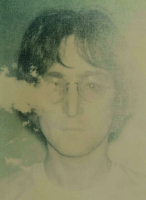
Yoko Ono
John Lennon - Imagine, 2018
Limited Edition Print
Giclée printing
GBP 1,980

Zhang Huan
Shanghai Family Tree, 2023
Photography
Giclée printing
GBP 5,000 - 7,000

Bruce Nauman
Life fly Lifes Flies from the portfolio of Leo Castelli's 90th Birthday, 1997
Limited Edition Print
Etching
USD 3,750

Vito Acconci
Land of Water, 1999
Limited Edition Print
Lithograph
Currently Not Available

Chris Burden
If You Fly, If You Drive (diptych), 1973
Limited Edition Print
Lithograph
USD 12,500

Yoko Ono
Untitled,
Limited Edition Print
Digital Print on paper
Currently Not Available

Bruce Nauman
Raw War, 1971
Limited Edition Print
Lithograph
EUR 26,900

Chris Burden
Can not do nails, 1974
Photography
Lithograph
USD 11,300

Chris Burden
Submarine, 1987
Sculpture / Object
Mixed Media
USD 4,850

Chris Burden
Cantilever Bridges, 2000
Limited Edition Print
Aquatint
Currently Not Available

Zhang Huan
1/2, 1998
Limited Edition Print
Silkscreen
Currently Not Available
Related Articles

Popular, Collecting - October 04, 2024
10 Most Expensive Contemporary Artworks Ever Sold and Their Stories
Discover the 10 most expensive contemporary artworks ever sold! Learn the fascinating stories behind record-breaking pieces that shaped art history. Read More

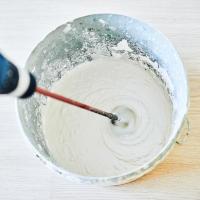
Plaster is a mixture of heat-treated powdered gypsum combined with water to create a workable material. It can be used to make solid sculptures, cast in molds, carved, modeled, or attached to other materials. Artists have used plaster for both working models and finished artworks for centuries due to its versatility.
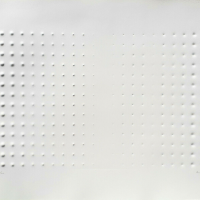
Relief printing is a printmaking process where the design to be printed is etched or cut into a surface, leaving only the raised areas to transfer ink. The non-printing areas are removed, so only the design is inked and printed. Common relief printing techniques include woodcut, linocut, and wood engraving.