Greece
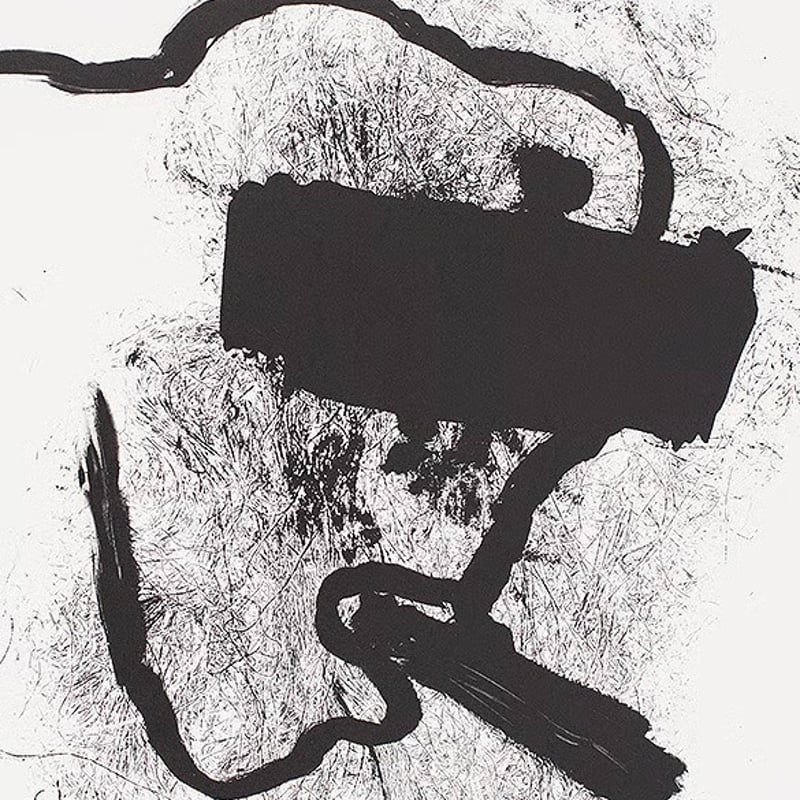
Greece's vibrant contemporary art scene is a fusion of ancient heritage and modern perspectives. Institutions like the National Museum of Contemporary Art in Athens echo this dynamic. Famed artist Takis, known for his kinetic sculptures, embodies Greece's innovative spirit. Modern creators continue to weave Greece's complex history into forward-thinking expressions. Experience Greek contemporary art at Composition Gallery's website.
Artworks Related to Greece
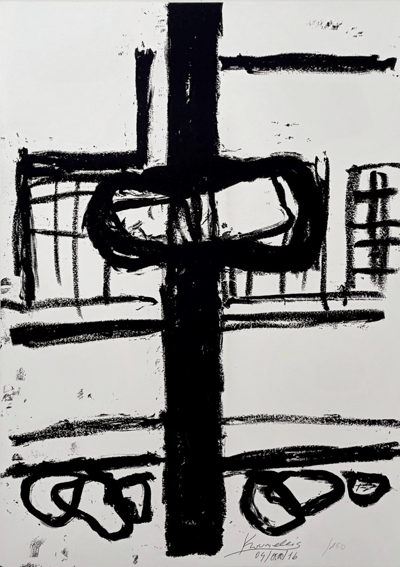
Jannis Kounellis
Opera in ricordo di Mauro Rostagno, 2000
Limited Edition Print
Screen-print
EUR 850
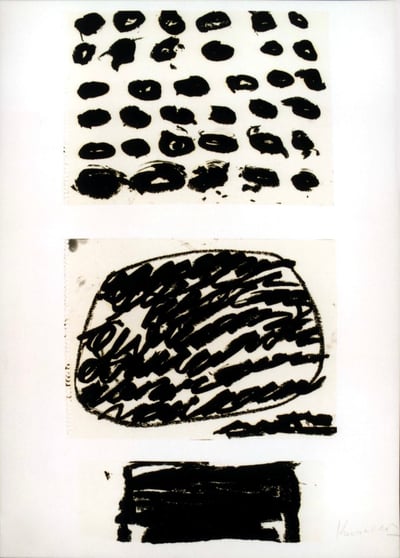
Jannis Kounellis
Homage to Federico Garcia Lorca, 2001
Limited Edition Print
Silkscreen
Currently Not Available
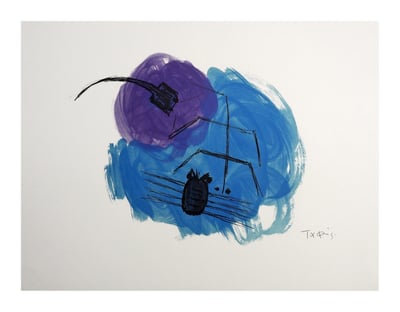
Takis
Insectes, 1981
Limited Edition Print
Lithograph
Currently Not Available
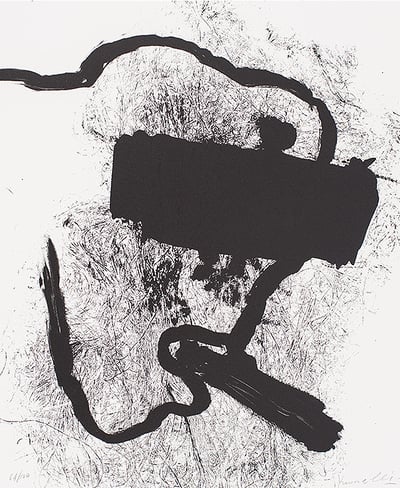
Jannis Kounellis
Composition , 2004
Limited Edition Print
Silkscreen
EUR 1,375
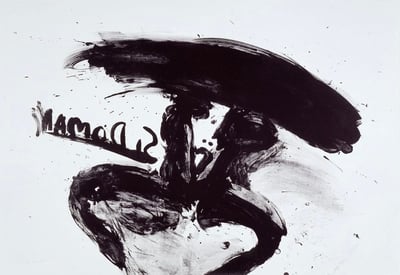
Jannis Kounellis
Untitled from the Lettre International portfolio, 1992
Limited Edition Print
Lithograph
EUR 2,200
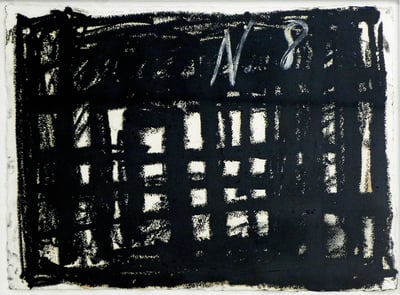
Jannis Kounellis
Barcelona II ( N8 ), 2003
Drawing / Watercolor
Mixed Media
Inquire For Price
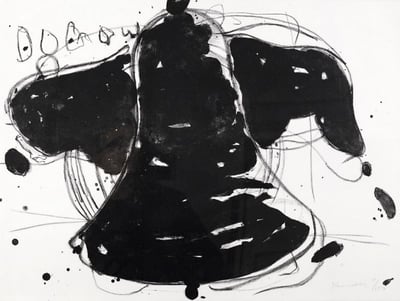
Jannis Kounellis
Against torture
Limited Edition Print
Lithograph
Currently Not Available
Related Articles
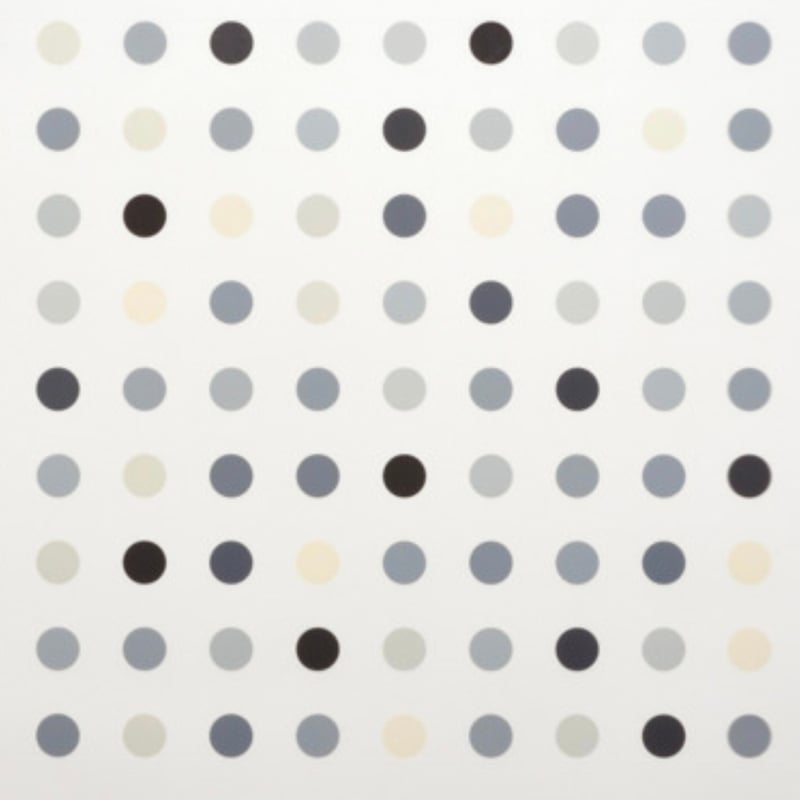


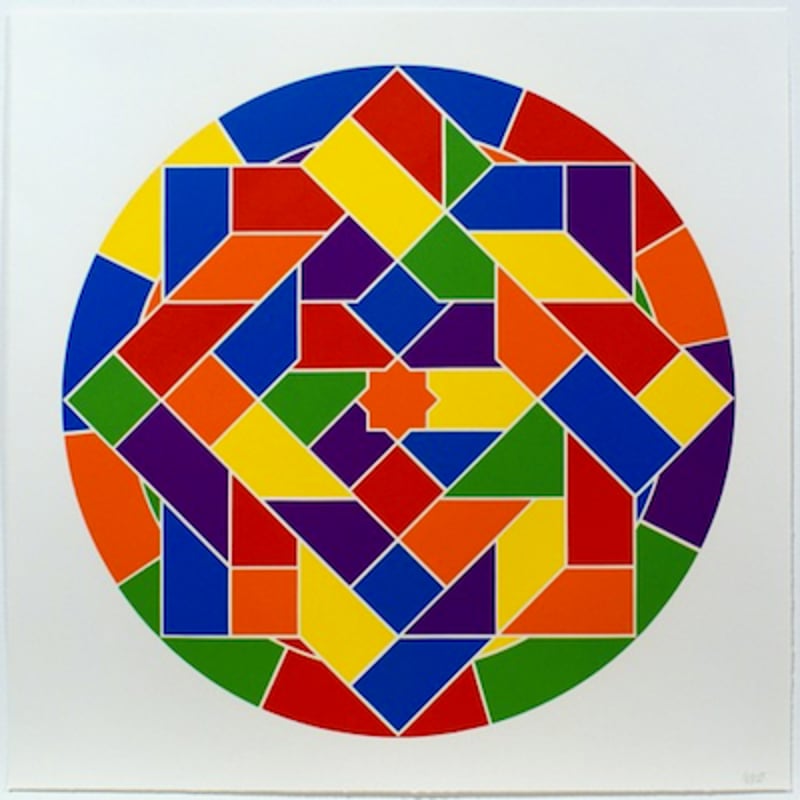
Generative art refers to art that is wholly or partly created through an autonomous system. This system can be independent or non-human, capable of determining features that would otherwise be decided by the artist. The generative system can act as the creator or as a collaborator with the artist. Generative art often refers to works generated algorithmically by computers, where the system plays a significant role in the creation process.
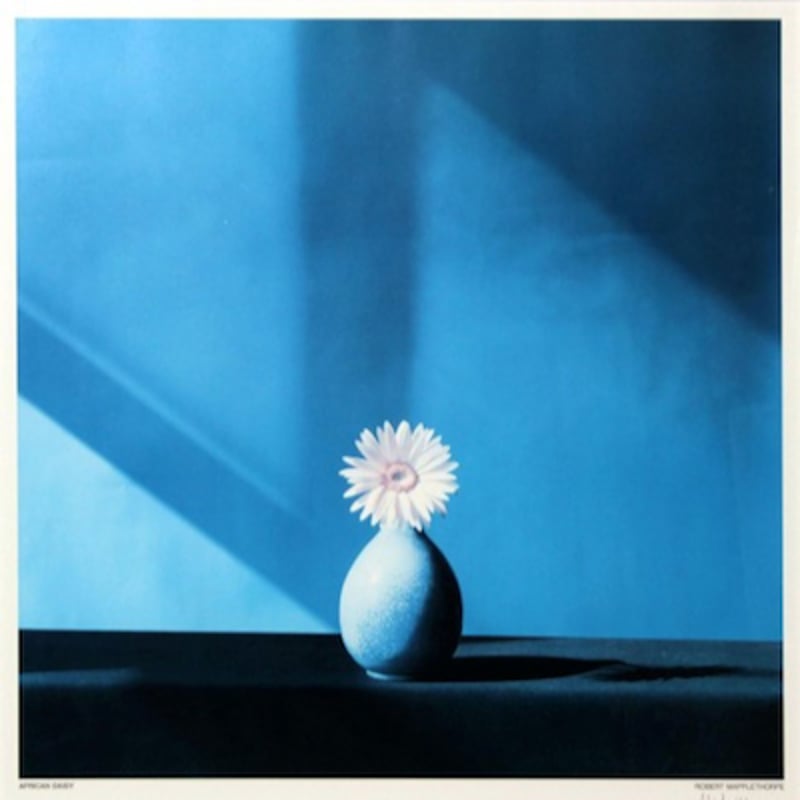
Photogravure is a high-quality printing process that involves etching a photograph onto a copper plate. The plate is inked and pressed onto paper, producing fine art prints with detailed, soft tones and rich textures. Developed in the 19th century, photogravure is renowned for its ability to create art reproductions with exceptional depth and subtlety.

A marker is a drawing tool filled with colorful inks that dry quickly. Markers come in various sizes and use different colorants, such as ink, dye, or paint. They are available with different tip styles and produce smooth marks with sharp edges, making them ideal for a wide range of artistic and design applications.
Can't find your Answer?
Thank you! Your question has been sent — we'll get back to you shortly.
